Instructions on how to write exponents in words, square meters, cubic meters

Instructions on how to write exponents in words, square meters, cubic meters - Type numbers under the chemical formula H2O, H2SO4 all versions of word 2003 2007 2010 2013 2016

If you normally write in notebooks or on the board, the writing The exponent , the square meter, the cubic meter or the mathematical or chemical formulas are not difficult, we just need to write back up or down to finish. However, in word, the letters are always straight by default. So how to write the exponent (superscript) and the subscript in word. Usually there will be 2 ways, today I will guide you the easiest way.
1. Write the exponent (the
superscript above) First, to write the exponent in the word, we put the mouse cursor right after the word you want to write the mu number, then press the keyboard shortcut Ctrl + Shift + (+) As follows, for example, if I want to type a square meter, my mouse will be placed right after the letter m .

Simultaneously press 3 keys Ctrl, Shift and + = sign next to the backspace key as shown below

Then the quotes will be moved upwards smaller than the normal quotes, and you can enter any word, for example, you write a square meter. Guide type m2 m3 in word, excel, powerpoint


Also you can write meter no, x hat y, 2 hats xy comfortably. If you want to move the apostrophe back to the normal position, press Ctrl + Shift + (+) again to return.


The downside of this approach, however, is that only the exponent can be written in a simple form. With multi-class exponents or other math characters we must use Equation

2. Writing subscript under chemical formulas

To write subscript is commonly used in math formulas or variables in In math, you do the same thing, but we will place the mouse pointer right after the word to write the index and then press the 2-key combination Ctrl + (+) like in the image below.


Then the apostrophe will appear below and you can fill in any information freely. If you want to return to normal status, press Ctrl + (+) again.


With many chemical formulas, you should write down all the substances, then write the following index by clicking on each position will be faster. As for complex mathematical formulas, we also need to use Equation

3. Write the superscript and subscript using the Equation tool.If you

need to type exponents, the upper and lower numbers are complicated you need to use. Equation tools of Word will help to be more customizable and can represent all types of math, chemical, and physical formulas ...

First go to Insert -> Symbols -> Equation


In the e ^ x part, which supports typing exponents and subscript in word, you just have to select, then click on each element to record the index. There are also many other options in this toolkit you can explore more


Leave a Comment

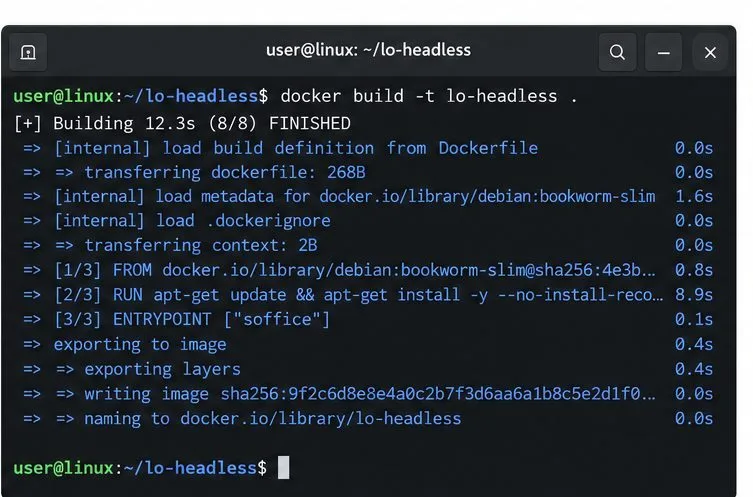
Run LibreOffice Headless in Docker for PDF Conversion

Run LibreOffice Headless in Docker for PDF Conversion

Build a small LibreOffice container, convert office documents without a GUI, and verify PDF output while limiting host-file access.

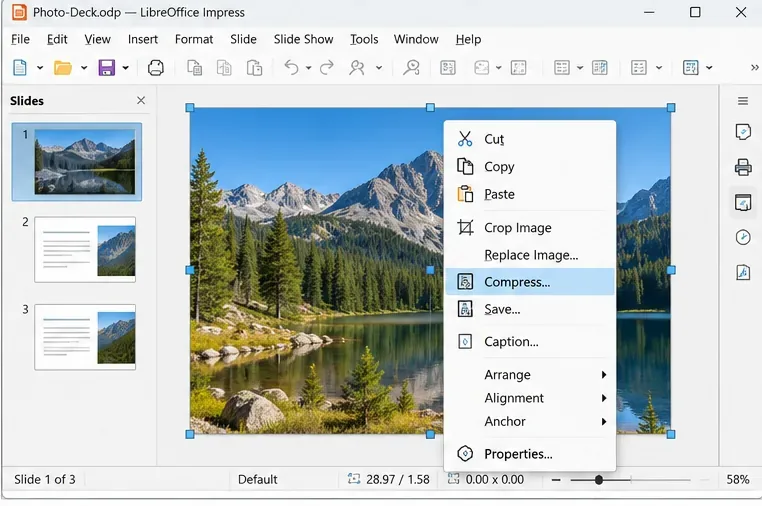
Make LibreOffice Impress Files Smaller Without Blurring Images

Make LibreOffice Impress Files Smaller Without Blurring Images

Reduce oversized LibreOffice presentation files by compressing embedded photos, choosing sensible image settings, and checking slide quality before sharing.

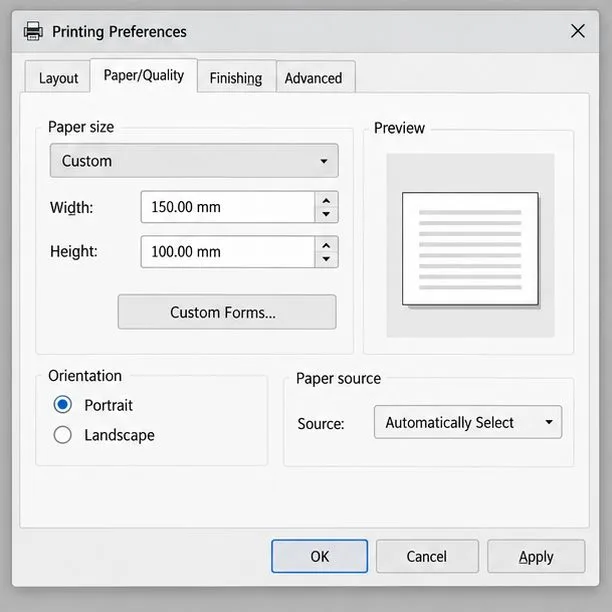
Stop Custom-Size Prints from Cropping in LibreOffice

Stop Custom-Size Prints from Cropping in LibreOffice

Match LibreOffice’s page dimensions to your printer, check printable margins, and correct scaling before printing a custom-size document.

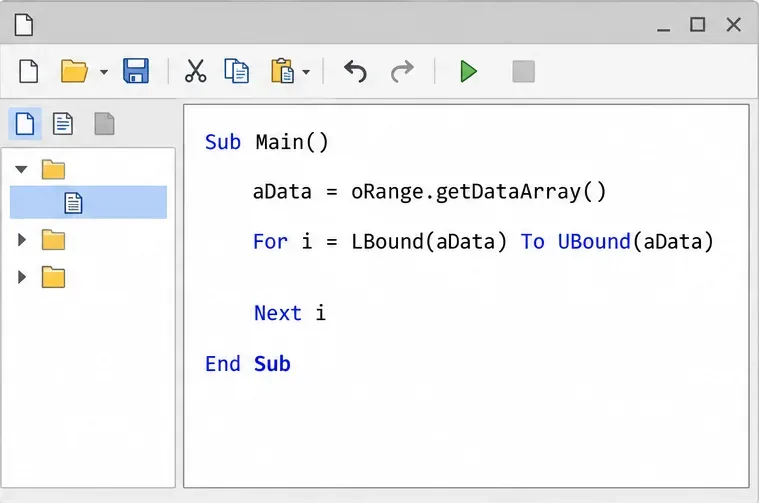
Speed Up Calc Macros by Reading and Writing Data in Batches

Speed Up Calc Macros by Reading and Writing Data in Batches

Replace repeated cell access with bulk range reads and writes, then benchmark the result and protect formulas in large Calc workbooks.

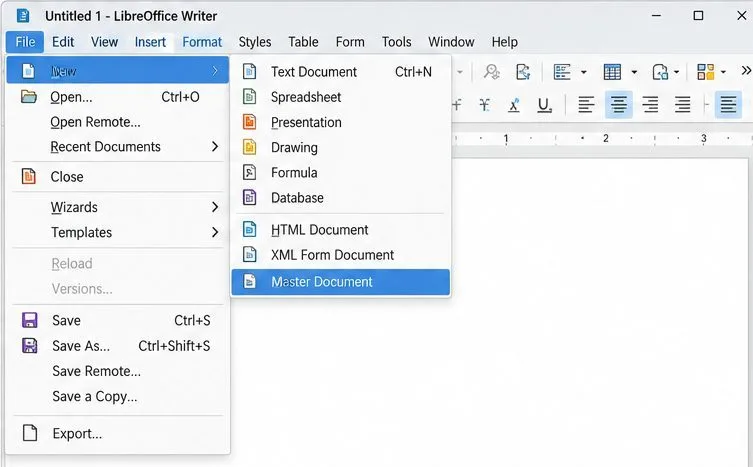
Organize a LibreOffice Book with Linked Master Documents

Organize a LibreOffice Book with Linked Master Documents

Split a long manuscript into chapters, assemble them in Writer, and keep styles, contents, and export checks consistent.

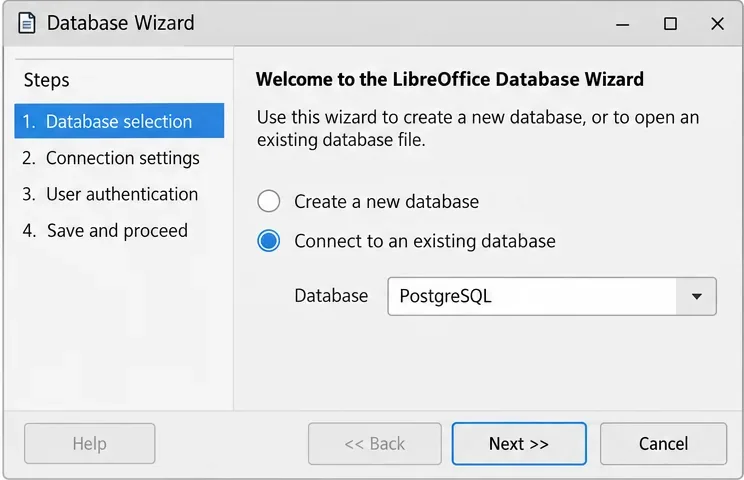
Connect LibreOffice Base to PostgreSQL with the Built-In Wizard

Connect LibreOffice Base to PostgreSQL with the Built-In Wizard

Use Base’s direct PostgreSQL option to enter your server details, sign in, save an ODB connection file, and troubleshoot common access errors.

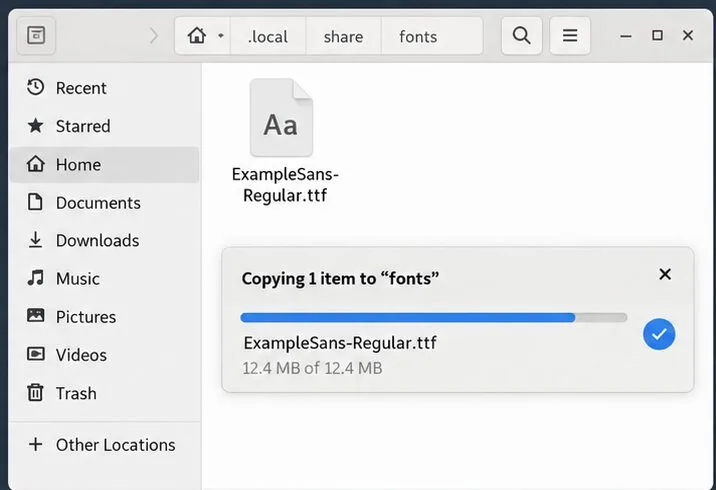
Make Custom Fonts Available to LibreOffice Flatpak

Make Custom Fonts Available to LibreOffice Flatpak

Install a font in your Linux user font folder, restart LibreOffice Flatpak, and confirm it appears in Writer without weakening the app sandbox.

Stop LibreOffice Save Crashes on Sonoma: Work Locally First

Stop LibreOffice Save Crashes on Sonoma: Work Locally First

Protect your work and isolate network-drive save crashes in LibreOffice on macOS Sonoma with a local-first workflow, permission checks, and targeted tests.

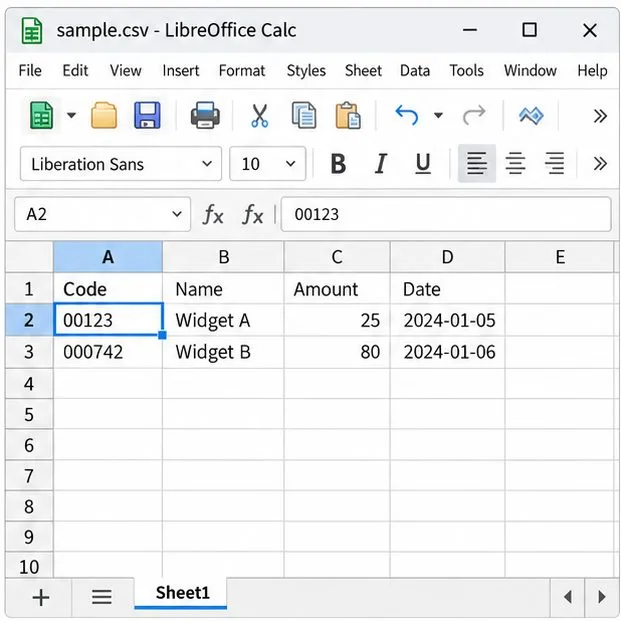
Keep CSV IDs Intact in Calc by Importing Them as Text

Keep CSV IDs Intact in Calc by Importing Them as Text

Preserve leading zeros in Calc by setting ID columns to Text during CSV import, checking the preview, and verifying the saved data.

LibreOffice Document Locked by Unknown User: A Safe Fix

LibreOffice Document Locked by Unknown User: A Safe Fix

Find the cause of a LibreOffice document lock, safely clear a stale lock file, and confirm that you can edit and save without losing changes.