Why should you shut down your Windows laptop every day?

When you leave your laptop, many people just close the lid and walk away. While this is convenient because your laptop is ready to use whenever you need it, this behavior can damage your laptop without you even realizing it.

Is it really important to turn off the computer?

Yes, as long as you're using a Windows laptop, it really does make sense. There's a lot more going on when you shut down your computer than just going to sleep or closing the lid.

Depending on what you're doing with your laptop, shutting down can significantly increase the performance and longevity of your system. It clears system memory, closes any applications running in the background or foreground, and shuts down the computer the way it was designed.

Why should you shut down your Windows laptop every day?

If you're just going to get a glass of water, sure, you don't need to turn off your laptop. But if you're carrying it around as a backup, I highly recommend turning it off.

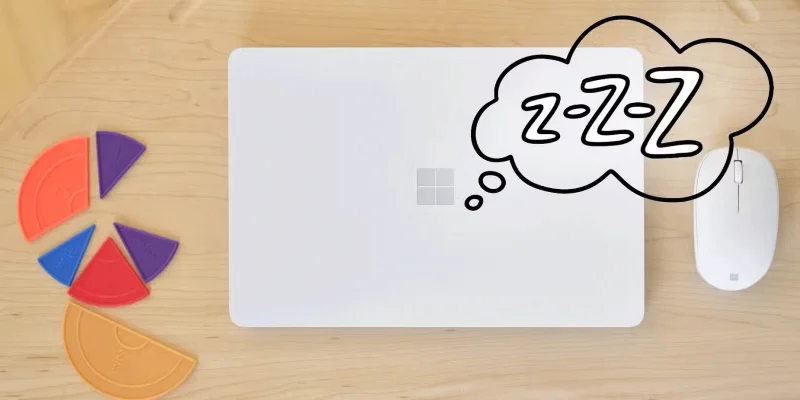
Windows laptops handle Sleep mode differently than MacBooks, and the fan can actually continue running for quite a while after you put your PC into Sleep mode.

Running a fan in your backpack or laptop bag is not good for your laptop as it can cause the device to overheat without you realizing it, leading to heat damage.

Benefits of Regularly Shutting Down Your PC

As you might guess, there are a number of benefits to shutting down your PC every now and then. Here are the two most important ones.

Efficiency

Shutting down your PC means you'll almost certainly get better performance after restarting.

This is a byproduct of shutting down, cleaning up system memory, closing stuck background processes, and clearing anything in the background that might be taking up system resources.

Why should you shut down your Windows laptop every day?

This is also why shutting down and restarting your PC tends to solve seemingly random problems with your PC.

There's a reason the first question a tech support person will ask is whether you've restarted your PC. Windows automatically clears a bunch of stuff when you shut down your laptop or PC, meaning the system has more resources to use the next time you restart.

System Lifespan

Turning off your Windows laptop every day can help it run longer.

Unfortunately, Windows Modern Standby is extremely unstable and often drains your battery, even when your PC is in Sleep mode. This means you're using unnecessary battery cycles. Over the years, these cycles add up and cause your battery to lose its ability to hold a charge.

So what about Sleep mode?

The Sleep feature on your Windows laptop isn't completely useless, but it's not intended as a substitute for shutting down your PC.

Put your PC in Sleep mode if you'll be using it again soon, but if you're done for the day, it's best to shut it down. You can even set a Windows sleep timer to shut down your computer after a certain amount of time.

Why should you shut down your Windows laptop every day?

If you just leave your laptop in Sleep or Hibernate mode every time you finish using it, over time this will cause performance issues so severe that you will have to reset the system and start a new Windows installation because there is too much "garbage" accumulated in the system and a reboot cannot remove it all.

If you’re going to be away from your device for a short time, even a few hours, it’s fine to close the lid or put your laptop in sleep mode. However, if you’re done for the day or will be carrying your laptop in a bag or case, turn it off.
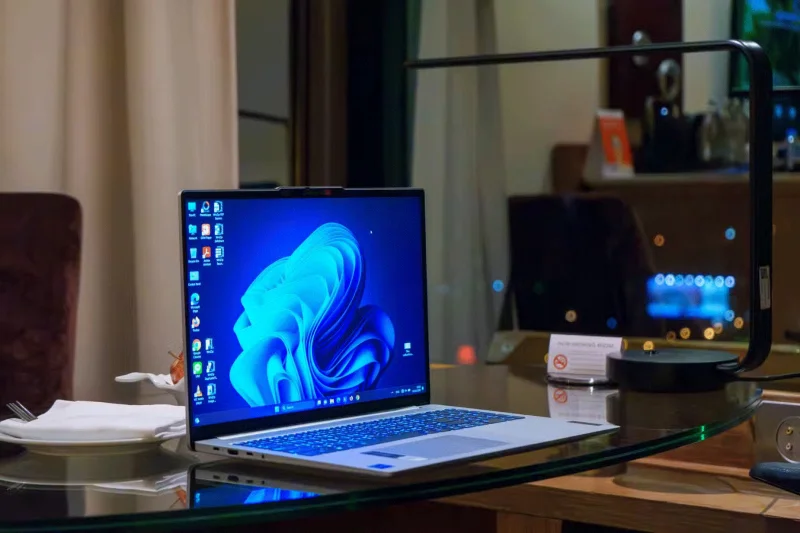

Your machine needs a daily rest just like you do.

Sign up and earn $1000 a day ⋙

Leave a Comment

Fix Windows Error Code 0xc0000098: Backup ACPI.sys to Prevent Boot Failure

Fix Windows Error Code 0xc0000098: Backup ACPI.sys to Prevent Boot Failure

Error code 0xc0000098 in Windows causes a blue screen error on startup. The ACPI.sys driver is often to blame, especially on unsupported versions of Windows 11 like 23H2 or 22H2 or Windows 10.

Quickly fix Windows 10/8/7 computer error that freezes and cannot exit Safe Mode

Quickly fix Windows 10/8/7 computer error that freezes and cannot exit Safe Mode

In some cases, sometimes you start your computer in Safe Mode and the computer freezes. So how to fix the error in this case, please refer to the article below of WebTech360.

How to fix Snipping Tool keeps showing error

How to fix Snipping Tool keeps showing error

Snipping Tool is a powerful photo and video capture tool on Windows. However, this tool sometimes has some errors, such as constantly displaying on the screen.

How to get the fastest internet connection from your router

How to get the fastest internet connection from your router

Every network has a router to access the Internet, but not everyone knows how to make the router work better. In this article, we will introduce some router tips to help speed up the wireless connection in the network.

Common Mistakes When Performing Internet Speed ​​Tests

Common Mistakes When Performing Internet Speed ​​Tests

If the results seem slower than expected, don't be too quick to blame your ISP - mistakes when performing the test can skew your numbers.

What is QoS? How to use QoS for faster Internet speeds when you need it most

What is QoS? How to use QoS for faster Internet speeds when you need it most

In the article below, we will introduce and guide you to learn about the concept of QoS - Quality of Service on router devices.

Why cant this built-in Credential Manager feature in Windows replace a password manager?

Why cant this built-in Credential Manager feature in Windows replace a password manager?

Windows has a built-in Credential Manager, but it's not what you think it is—and certainly not a replacement for a password manager.

How to install free HEVC codecs on Windows 10 (for H.265 video)

How to install free HEVC codecs on Windows 10 (for H.265 video)

Microsoft charges for its official codecs and doesn't include them in Windows 10. However, you can get them for free without pulling out your credit card and spending $0.99.

Instructions to fix Access Denied error when accessing files or folders on Windows

Instructions to fix Access Denied error when accessing files or folders on Windows

While having trouble accessing files and folders can be frustrating, don't panic—with a few simple tweaks, you can regain access to your system.

How to check if USB Boot has been created successfully?

How to check if USB Boot has been created successfully?

After creating a USB boot to install Windows, users should check the USB boot's performance to see if it was created successfully or not.

4 Types of Windows Data That Are Growing in Size: How to Control Them?

4 Types of Windows Data That Are Growing in Size: How to Control Them?

Although Windows Storage Sense efficiently deletes temporary files, some types of data are permanent and continue to accumulate.

How to turn off background apps in Windows 11, reduce RAM consumption on Win 11

How to turn off background apps in Windows 11, reduce RAM consumption on Win 11

You can turn off Windows 11 background apps to optimize performance, save battery and reduce RAM consumption.

Instructions to fix the error “Network path was not found” in Windows

Instructions to fix the error “Network path was not found” in Windows

When a computer, mobile device, or printer tries to connect to a Microsoft Windows computer over a network, for example, the error message network path was not found — Error 0x80070035 may appear.

How to block Internet connection of Windows 10 software and applications

How to block Internet connection of Windows 10 software and applications

We can block Internet access for any application or software on the computer, while other programs can still access the network. The following article will guide readers on how to disable Internet access for software and applications on Windows.

How to Stay Safe on Windows 10 Until 2030

How to Stay Safe on Windows 10 Until 2030

Instead of paying $30 for a year of security updates, keep Windows 10 safe until 2030 with this simple solution.