Clear a Zypper Lock Safely on SUSE Linux Enterprise

Find the process holding Zypper’s package lock, distinguish process conflicts from package locks, and retry updates without deleting lock files blindly.
When deleting large folders on Windows 11, the deletion speed will be slower than that of small folders. If you feel that this deletion process is too time-consuming, the article below will help you with additional methods to delete large folders on Windows 11. Then the process of deleting large folders on Windows 11 will be shortened.
Delete Large Folder Windows 11 Using Command Prompt
Step 1:
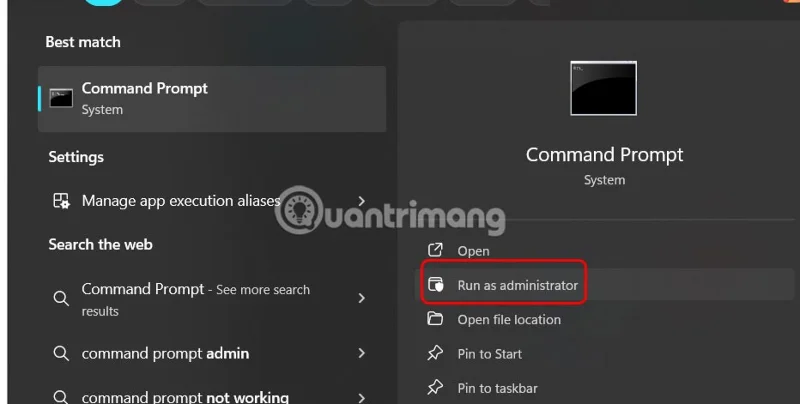
You type Command Prompt in the search bar , then click Run as administrator .
Step 2:
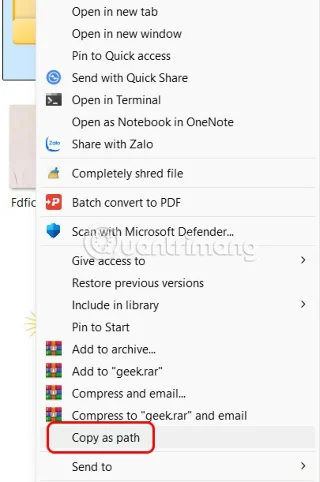
Open the folder on your computer then find the path to the folder, by right-clicking the folder and selecting Copy as Path in the displayed menu.
Step 3:
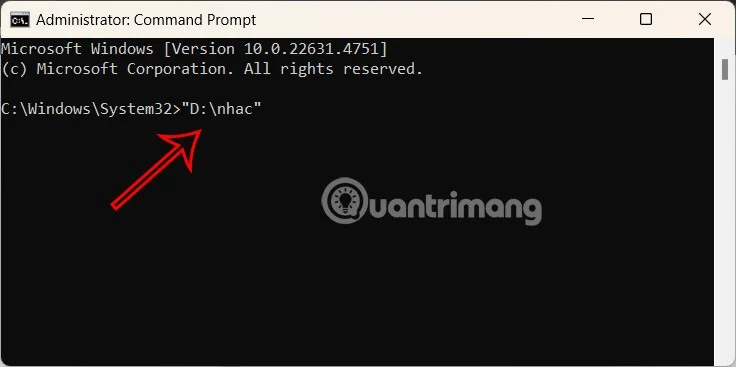
Switch to the Command Prompt interface and type cd followed by the folder path you copied, press Enter to continue. Next, type del /f/q/s *.* > nul and press Enter.
Step 2:
Type cd.. and press Enter to go back one level in the directory path. Now type the following command to delete the directory and all its subdirectories and press Enter.
rmdir /q/s tên thư mụcDelete large folders quickly from Windows 11 context menu
Step 1:
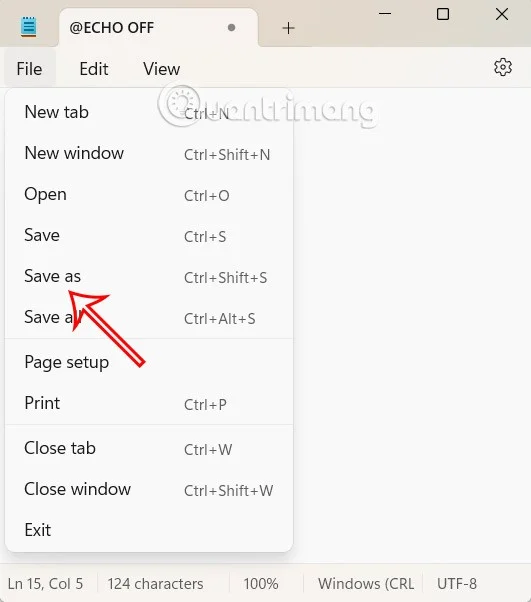
Open Notepad and paste the following lines into the interface. Continue to click File > Save As to save this file.
@ECHO OFF

ECHO Delete Folder: %CD%?

PAUSE

SET FOLDER=%CD%

CD /

DEL /F/Q/S "%FOLDER%" > NUL

RMDIR /Q/S "%FOLDER%"

EXIT
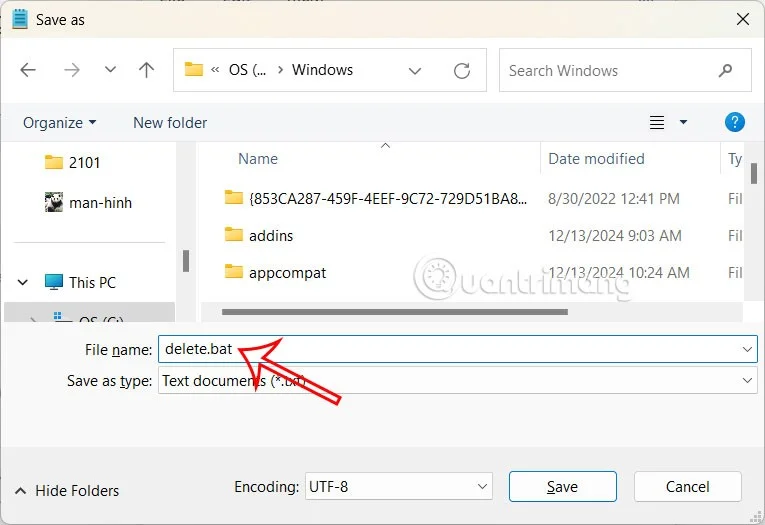
Navigate to C:\Windows on Save As Prompt and save the file with .bat extension.
Step 2:
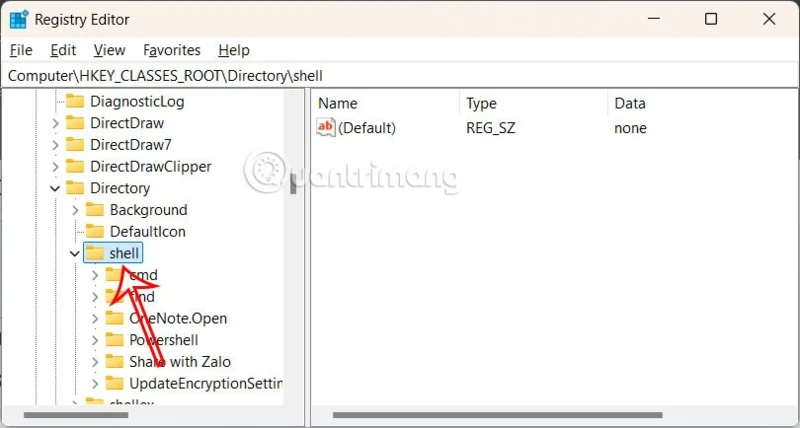
Access Registry Editor, then navigate to the path HKEY_CLASSES_ROOT\Directory\shell\.
Step 3:
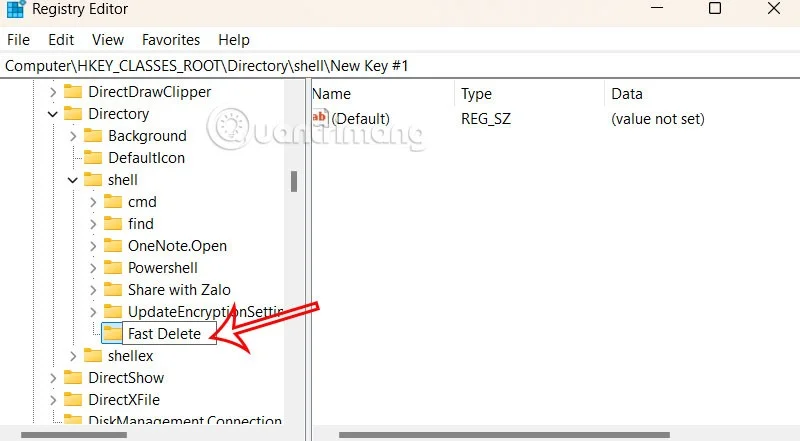
Right- click the Shell folder and select New > Key .
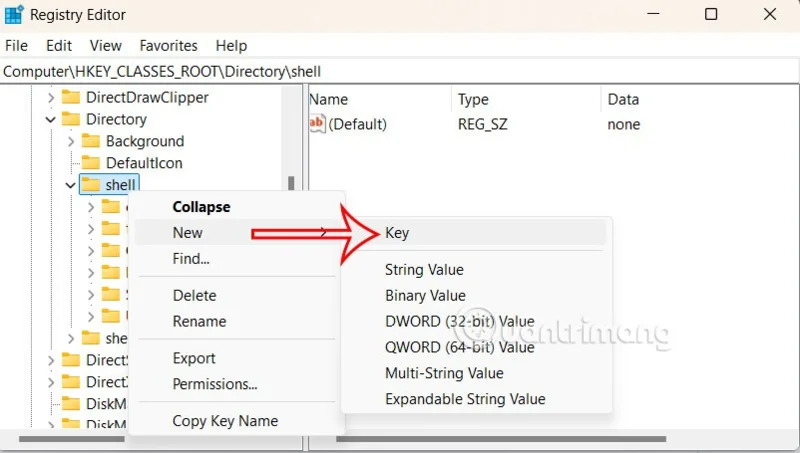
Name the new key Fast Delete and press Enter.
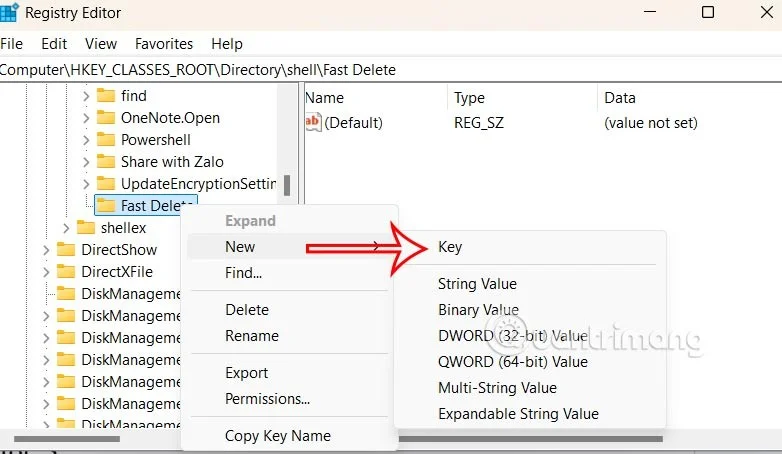
Continue right-clicking on the newly created Fast Delete key and select New > Key .
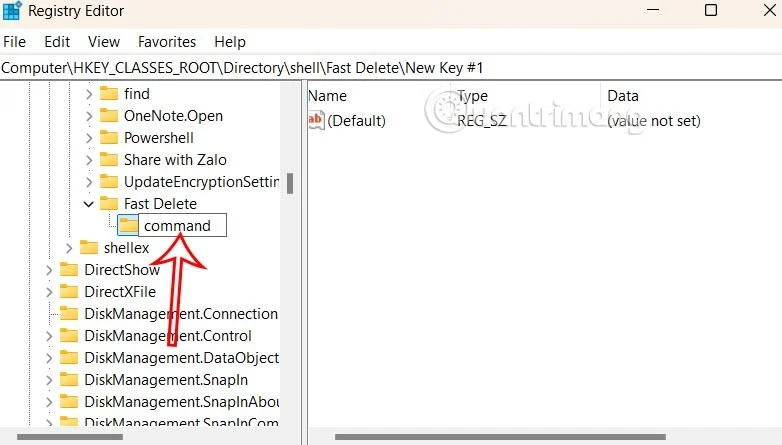
Name the new key command and press Enter.
Step 4:
Double-click the default key on the right. On the Edit String bar , enter the following line in the Value data field and click OK.
cmd /c "cd %1 && fast_delete.bat"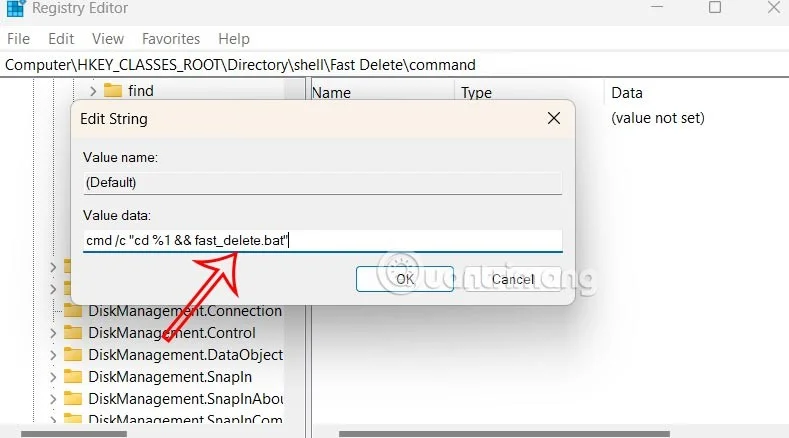
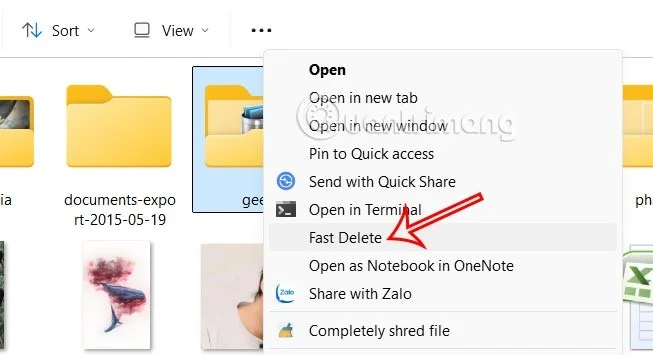
The result is when you right-click on the large folder you want to delete and you will see the Fast Delete option to use.
Find the process holding Zypper’s package lock, distinguish process conflicts from package locks, and retry updates without deleting lock files blindly.
Register SLE HA, bootstrap SLES 15 nodes, then add fencing, quorum, and tested service resources before relying on failover.
Trace a Zypper refresh error to SUSE, RMT, or a third-party endpoint, then apply the right server-side or cache fix without disabling essential updates.
Resolve SUSE LVM thin-pool space errors by checking data and metadata usage, expanding the pool safely, and preventing repeat outages.
Identify whether Btrfs is intentionally read-only, short on space, or protecting data after errors, then choose a recovery path that fits the cause.
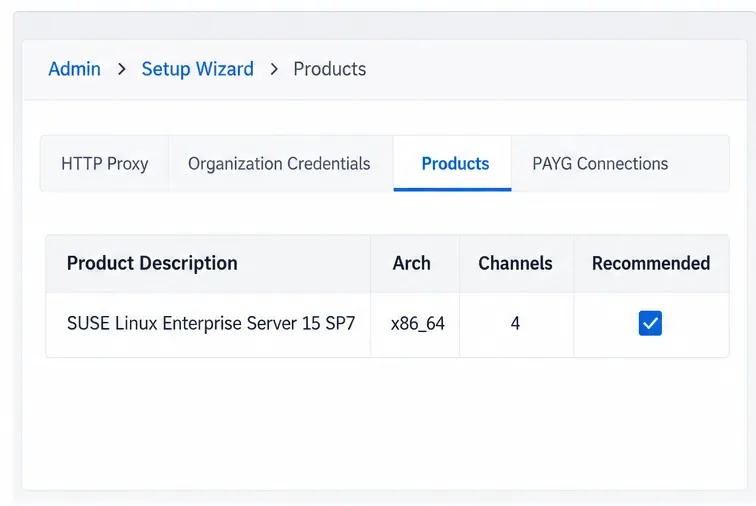
Prepare mirrored channels, create an activation key, and bootstrap an SLES 15 client without direct internet access while preserving the connection needed for Manager check-ins.
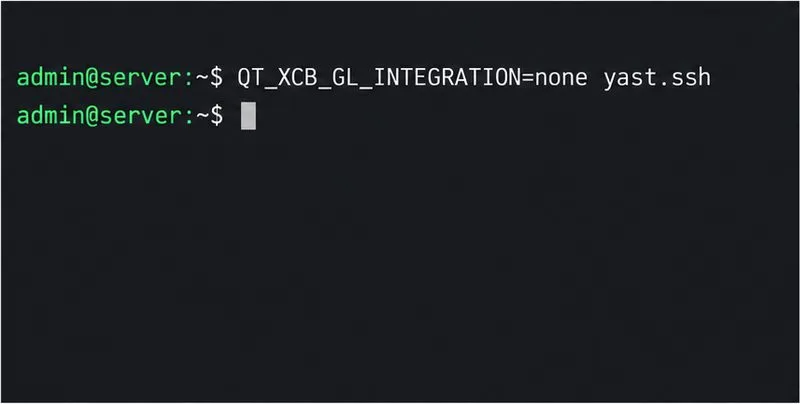
Fix YaST’s XIO launch error over SSH, verify X11 forwarding and xauth, and switch to the ncurses interface when a remote window is unnecessary.
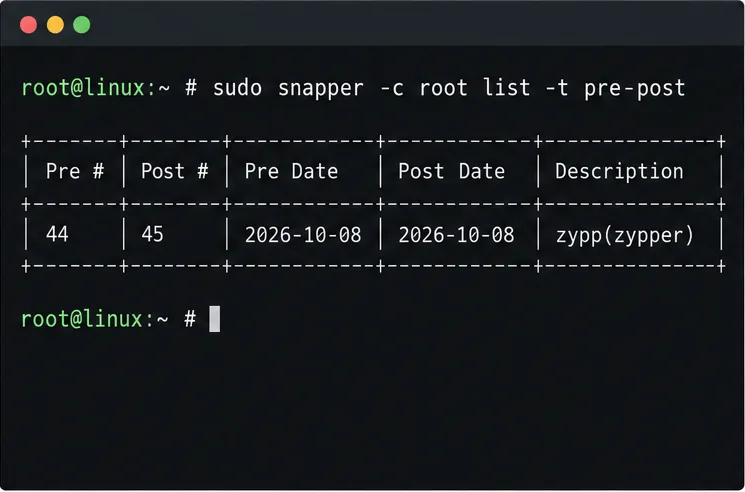
Find the pre-update Btrfs snapshot, test it read-only, and make recovery permanent with Snapper while understanding which data stays outside the root rollback.
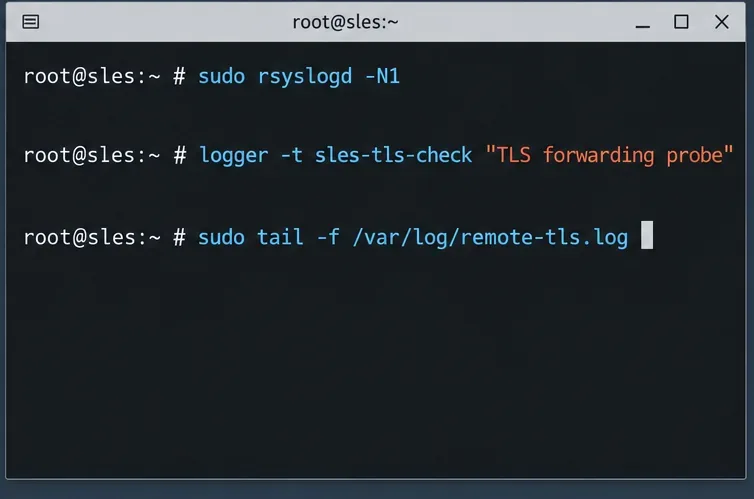
Send SLES system logs to a remote rsyslog collector over authenticated TLS, with certificate checks, outage buffering, and delivery tests.
Use RAM, swap, kernel, and Zypper logs to identify real memory pressure, protect package state, and choose a safer SLES upgrade retry.