Would Europe Be Drawn into a Hypothetical U.S.-Israel-Iran Nuclear War? NATO Rules Explained

A guide to NATO Articles 4 and 5, UN self-defense rules, and why consultation does not mean automatic European entry into war.
Gboard has long been the go-to keyboard on Android phones. However, many people have recently switched to Samsung Keyboard and haven't looked back.
Table of Contents
One of the main reasons people switch to Samsung Keyboard is because it integrates seamlessly with Samsung's Galaxy AI features. Unlike Gboard, which only has basic autocorrect, Samsung Keyboard takes it a step further.
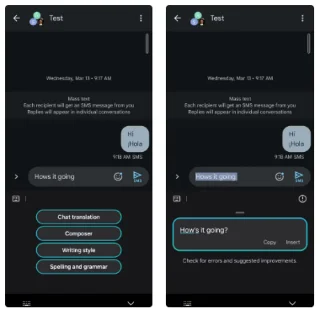
After composing a message, you can tap the Galaxy AI icon and use the Spelling and grammar tool to review your text. This feature highlights grammatical errors, suggests corrections, and refines unclear phrasing.
Once you've finished editing your text, you can easily insert it into the message field. This is especially useful when communicating with colleagues or composing emails on your phone, where you want to avoid embarrassing typos or unclear wording.
In addition to correcting spelling and grammar errors, Samsung Keyboard is also great at adapting text to fit different contexts. For example, after typing a simple message like “Can we meet later?”, you can use Galaxy AI to tweak it to a professional, casual, or polite tone within seconds.
Whether you need to impress a client, chat with a friend, or communicate respectfully with someone, Galaxy AI makes it easy to deliver text that matches a specific tone.
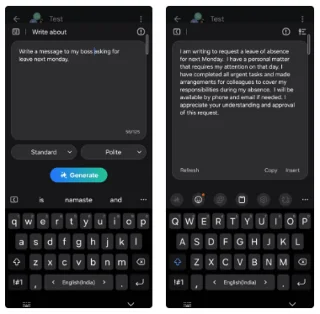
There's also a Composer feature, which is also useful when you're stuck for ideas. All you have to do is tap the Galaxy AI icon, provide a few details about your message, and choose the format and tone you want. The AI will then automatically create a message based on what you've entered.
Gboard, on the other hand, doesn't offer anything close to this level of functionality, leaving you dependent on other AI tools.
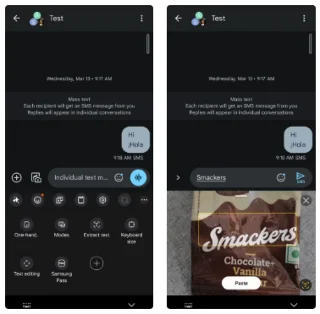
While Android phones make it easy to extract text from images, it often involves the extra step of taking a photo and then using an OCR tool in the gallery app. Samsung Keyboard simplifies this process.
With just a single tap on the Extract text option , I can point my Galaxy phone's camera at the text I want to capture. Once detected, tap the Paste button and the extracted text will be ready to use immediately.
This feature is incredibly convenient, even if you don't use it every day. Unfortunately, Gboard doesn't have this functionality, which puts it at a disadvantage in comparison.
Both Samsung Keyboard and Gboard provide easy access to symbols like &, %, #, @, etc. However, what people like about Samsung Keyboard is that it allows them to replace the default symbols with the ones they use most often. For example, you can swap out $ for €, # for _, etc. to better suit your personal needs.
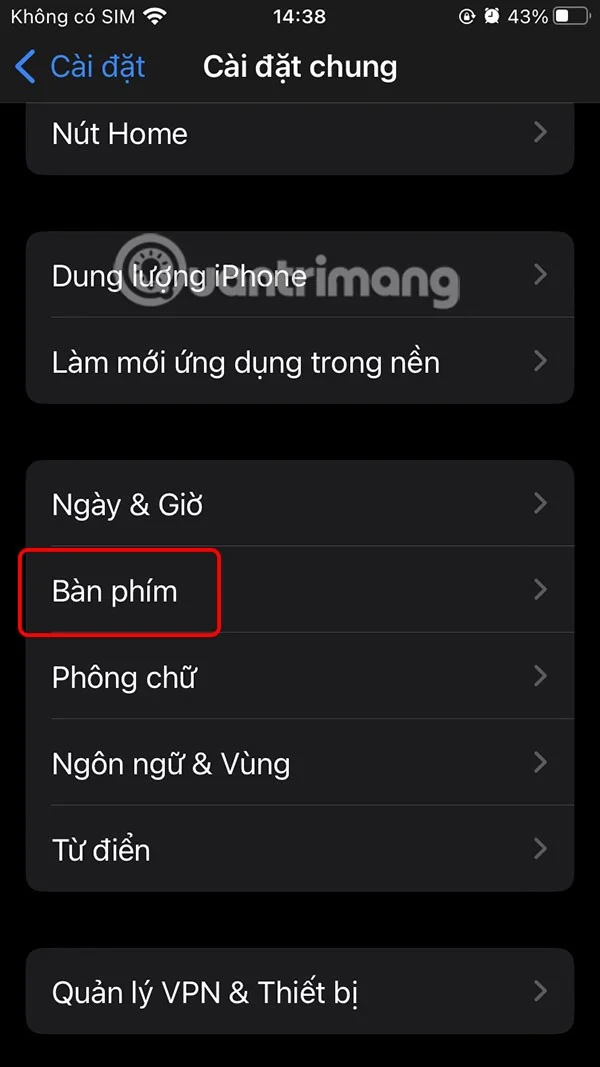
To do this, open the Samsung Keyboard settings, tap Custom symbols , then select the character you want to swap in. It's a small feature, but it makes the typing experience much faster and better.
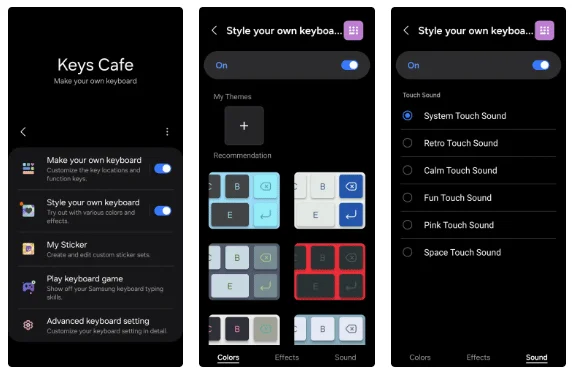
Gboard offers a variety of themes, colors, and gradient options, but it basically can't match what you can do with the Samsung Keyboard, especially with Good Lock's Keys Café module.
With Samsung Keyboard, you can personalize every detail of your keyboard to match your style. You can change the font of the keys, choose vibrant colors, add dynamic animations, and even customize the typing sounds for a completely unique experience.
Finally, there's the option to use Samsung Pass built right into the keyboard—a feature you don't realize you'll appreciate until you start using it.
With Samsung Keyboard, tap the three horizontal dots in the top right corner, select the Samsung Pass icon, and it will show you saved passwords, payment cards, addresses, and even secure notes.
It's incredibly convenient, especially when shopping online or logging into apps. Gboard doesn't offer anything equivalent, forcing users to manually enter this data all the time.
While Samsung Keyboard may not be as popular as Gboard, its wide range of features deserves a high rating. If you own a Galaxy phone, too, give Samsung Keyboard a try—it might just redefine your typing experience!
A guide to NATO Articles 4 and 5, UN self-defense rules, and why consultation does not mean automatic European entry into war.
Assess claims about Iran in six steps, distinguishing uranium enrichment, weapons development and verified possession.
Understand nuclear decision authority in six steps, including US civilian control and the limits of public information about Israel.
A guide to official 2026 evidence on Hormuz shipping disruption, Iran-related claims, confirmed incidents, and what remains uncertain.
A source-based guide to nuclear escalation risks, UN Charter rules and NATO Article 5 in a strictly hypothetical Iran scenario.
Use five steps to prepare for an outage; nuclear and EMP scenarios are hypothetical, and official shelter instructions come first.
Use 5 defensive steps to verify a cyber disruption, protect household accounts, and avoid mistaking an outage for war.
Use these 5 steps to assess climate effects from a hypothetical Iran strike, compare model assumptions, and avoid unsupported predictions.
Explore six steps for reading research on climate, food and ecosystem recovery after a hypothetical nuclear conflict.
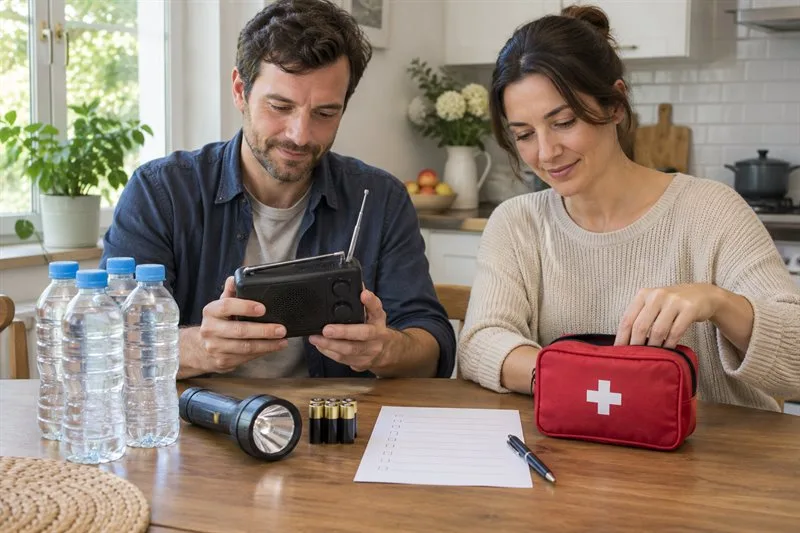
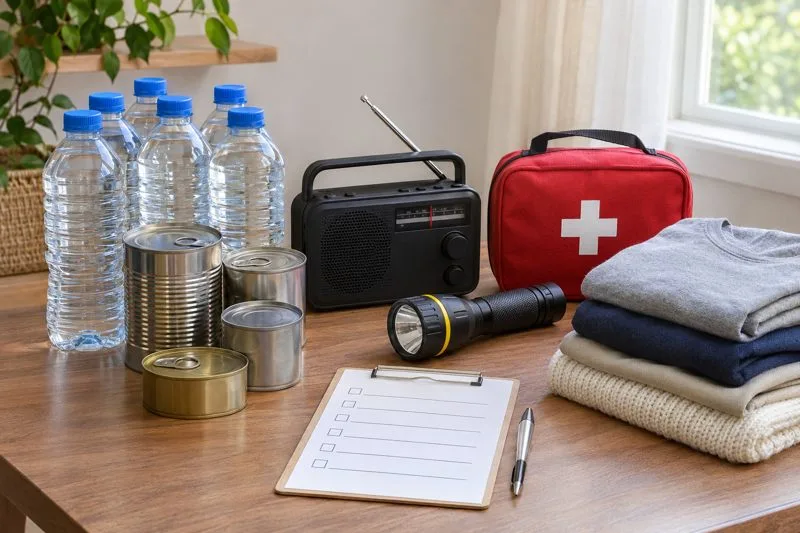
Build a practical fallout preparedness kit in six steps, with sealed food and water, a radio, medical supplies and shelter guidance.