Home
» PC Tips
»
Simple Sandbox Tips to Help You Stop Worrying About Malware
Simple Sandbox Tips to Help You Stop Worrying About Malware
Malware attacks have never been more intense, but we're finally finding peace of mind with strategic sandboxing techniques. These methods create virtual walls between threats and your system, allowing you to browse and inspect files with complete confidence.
How Sandbox Protects You From Malware
Many people have become more serious about sandboxing after realizing that traditional antivirus software is no longer effective. In 2024, Google tracked 75 actively exploited zero-day vulnerabilities, with the main targets being the Windows operating system and the Google Chrome browser . These attacks bypass traditional security because they exploit completely unknown vulnerabilities that no antivirus software can detect.
This is where sandboxing comes in. This method of security testing creates isolated environments where potentially dangerous programs can run without affecting the main system. So when you run suspicious software or visit suspicious links in the sandbox, any malware that is executed is trapped in that isolated environment.
What really convinces people to use sandboxing is its simplicity and effectiveness. Sandboxing used to require separate hardware for security testing, but virtualization now allows us to create isolated systems right on the main machine. Modern virtualization is also incredibly lightweight, so it doesn’t slow down a regular computer or require expensive hardware upgrades.
Check suspicious links with online sandbox
Online sandboxes run browsers in virtual machines on remote servers, streaming the displayed content directly to your screen. If you accidentally visit a malicious website, your real computer is still completely safe because everything is executed on the service provider's infrastructure instead of your local computer.
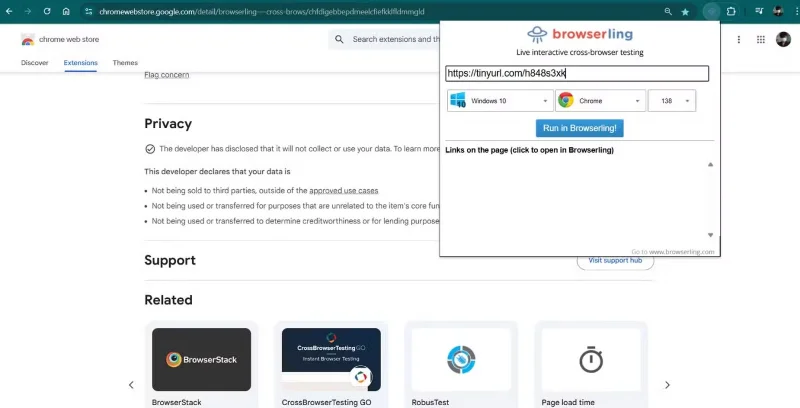
People primarily use Browserling to check for suspicious links. Browserling has a browser extension that makes this process incredibly simple. When you encounter a suspicious URL in an email or message, you right-click on the link and select Open in Browserling from the context menu. In just a few seconds, you have a secure virtual browser, safely loading the website.
Check Shortened Links with Browserling
The free version is limited to 3 minutes, which is great for quick testing. You can safely click on suspicious links from text messages, verify that “urgent account security” email is real by visiting the login page in question, and quickly browse unfamiliar online stores to check if they’re legitimate before making a purchase in your regular browser. When you close the session, the virtual machine is destroyed along with any potential threats, so your real device remains completely safe.
For extensive testing, Browserling also offers paid plans starting at $19/month for unlimited sessions. The service supports multiple browsers, including Chrome, Firefox, Safari, and Edge, on a variety of operating systems. The main drawbacks are limited session times on the free plan and the need for an internet connection, but for quick security testing, it has become an essential part of the daily routine.
Check files safely with local sandbox
While online sandboxes are great for handling web threats, you need local solutions to test software downloads and check files. Windows Sandbox lets you open anything without risk and is built into Windows 10 and 11 Professional editions.
Enabling Windows Sandbox takes just a few steps. Open the Start menu, type "optionalfeatures.exe" , scroll down to Windows Sandbox , check the box, and restart when prompted. Once Windows Sandbox is enabled, you can launch it by pressing the Windows key , then typing "Windows Sandbox" and pressing Enter . In just a few seconds, you'll have a completely isolated Windows environment where you can install suspicious programs, open untrusted documents, and experiment with potentially dangerous files without affecting your main system.
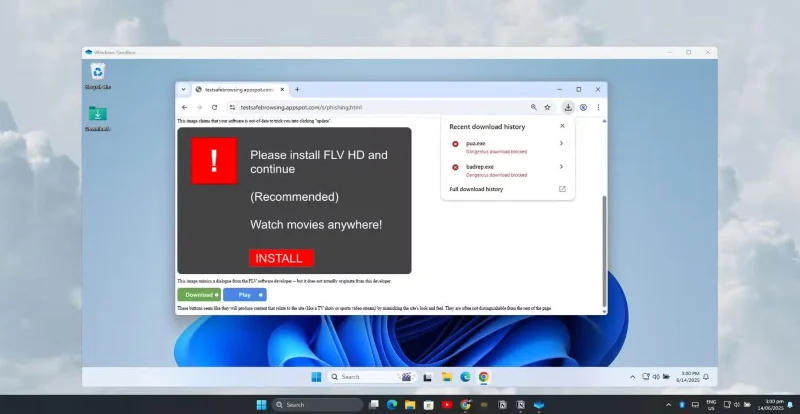
Windows Sandbox is running
Like Browserling, Windows Sandbox is completely disposable. Every time you launch it, you’ll have a fresh, clean installation of Windows. When you close the sandbox, everything is permanently deleted, including any malware, modified files, or system changes. This reset feature on close means you never have to worry about persistent infections or cleanup.
While not as robust as a fully virtualized operating system, Windows Sandbox is the isolation method people use because it's fast, lightweight, and requires little to no setup. It's perfect for those times when you need to open a file or run an .exe file that you're not sure is safe.
Linux users can achieve similar functionality with Firejail, which uses Linux namespaces to create isolated environments for running untrusted applications. Mac users also have native sandboxing features, like App Sandbox, or virtualization solutions, like Parallels Desktop , for secure testing environments.