Fix “No Bootable Device Found” After Installing Debian on UEFI
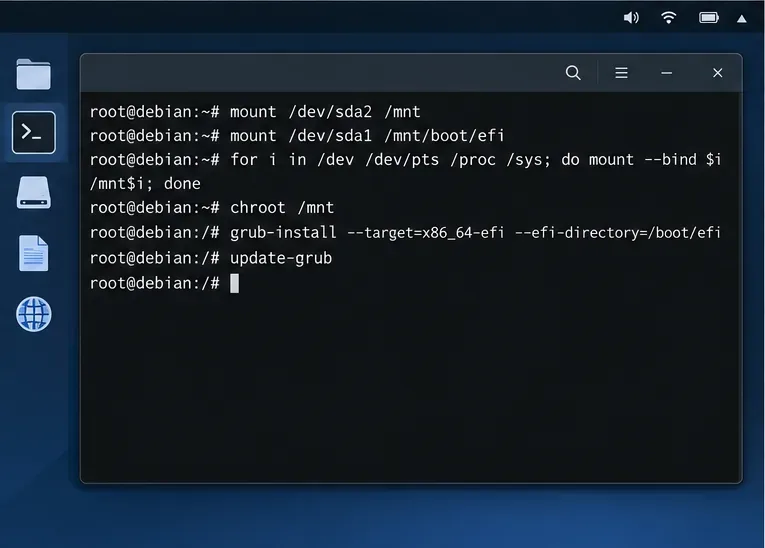
Fix Debian’s UEFI boot error by checking boot mode, the EFI System Partition, GRUB files, and firmware boot order—without reinstalling Debian first.
Imagine booting up your computer, ready to tackle the day, only to be hit with the frustrating "GPT Protective Partition Access Denied" error. Your files are there, but inaccessible—like a locked door to your digital world. Don't worry; this common issue in Windows environments is solvable with the right steps. In this guide, we'll walk you through understanding and resolving the "GPT Protective Partition" error efficiently, helping you reclaim your data quickly and safely. Let's dive in and get your system back on track! 🚀
The "GPT Protective Partition Access Denied" error typically appears when Windows Disk Management or tools like diskpart fail to access a drive formatted with GPT (GUID Partition Table). This happens because the drive was previously an MBR (Master Boot Record) disk that's been converted or corrupted, leaving a "protective" MBR partition that blocks access. It's a safeguard mechanism in GPT to prevent accidental overwrites, but it can lock you out unexpectedly.
Common triggers include:
According to Microsoft's official documentation, this error is often benign but requires targeted fixes to resolve. No need to panic—most cases don't involve data loss, and we'll prioritize recovery first.
At its core, the "GPT Protective Partition" is a 128-byte MBR structure on GPT disks that signals to legacy BIOS systems: "This is GPT—don't touch it!" When Windows interprets this incorrectly, it denies access, showing errors like "Access Denied" or "The parameters are incorrect."
To diagnose:
diskpart, then list disk. GPT disks show an asterisk (*) under the GPT column.If your drive shows as GPT but won't initialize, it's likely the protective partition causing the block. Early diagnosis prevents further issues—think of it as a quick health check for your storage. 😊
We'll start with the safest methods and escalate if needed. Always back up data if possible using tools like EaseUS Data Recovery Wizard before proceeding. Remember, these steps are based on the latest Windows updates as of 2026, ensuring compatibility with current systems.
This method removes the protective partition without affecting your data partitions. It's ideal for external drives or non-boot disks.
| Step | Action | Command |
|---|---|---|
| 1 | Open Command Prompt as Administrator | N/A |
| 2 | Launch Diskpart | diskpart |
| 3 | List and Select Disk | list disk select disk X (replace X with your disk number) |
| 4 | Clean Protective MBR | clean |
| 5 | Reinitialize as GPT | convert gpt |
| 6 | Exit and Refresh | exit |
Caution: The clean command erases the partition table, so ensure you've selected the correct disk (double-check sizes!). After this, use Disk Management to recreate partitions and restore data if needed. Many users report success in under 10 minutes with this approach.
If the disk is still MBR, force a conversion without data loss using the MBR2GPT tool (available in Windows 10/11 and later).
mbr2gpt /validate /disk:X /allowFullOS (validate first).mbr2gpt /convert /disk:X.This tool, updated in recent Windows versions, handles the protective partition automatically. For detailed guidance, refer to Microsoft's MBR2GPT documentation.
If built-in methods fail, tools like MiniTool Partition Wizard or AOMEI Partition Assistant can bypass the error. These free editions allow GPT repair without reinstalling Windows.
Pro tip: Always download from official sites to avoid malware. Users often share success stories on forums like Reddit's r/techsupport, where this error is a hot topic.
Sometimes, the error stems from settings mismatches. Enter BIOS (usually Del or F2 key at boot):
For hardware, test the drive in another PC or use a USB enclosure. If it's a failing drive, tools like CrystalDiskInfo can check health status—replace if SMART errors appear.
Once fixed, keep things smooth:
By following these, you'll avoid the headache altogether. Feeling empowered yet? You've got this!
Q: Will fixing this erase my data?
A: Not if you follow recovery-focused steps. Use data recovery software first if the drive is critical.
Q: Can I fix this on a boot drive?
A: Yes, but boot from installation media to avoid locks. MBR2GPT is your best friend here.
Q: What if none of these work?
A: Consult a professional or Microsoft's support forums for hardware-specific advice.
Resolving the "GPT Protective Partition Access Denied" error doesn't have to be a nightmare. With these steps, you're equipped to handle it like a pro. If you found this helpful, share your experience in the comments—let's build a community of tech-savvy solvers! 👏 Ready to try the first solution? Jump back up and get started.
Fix Debian’s UEFI boot error by checking boot mode, the EFI System Partition, GRUB files, and firmware boot order—without reinstalling Debian first.
The Outlook Inbox Repair Tool fixes corrupted PST files quickly so you can recover emails and restore normal Outlook function. Follow these exact steps to run scanpst.exe without data loss.
Get the Adobe PDF Installer Offline to install Acrobat Reader on any PC without needing internet during setup. Follow these exact steps for the full standalone package.
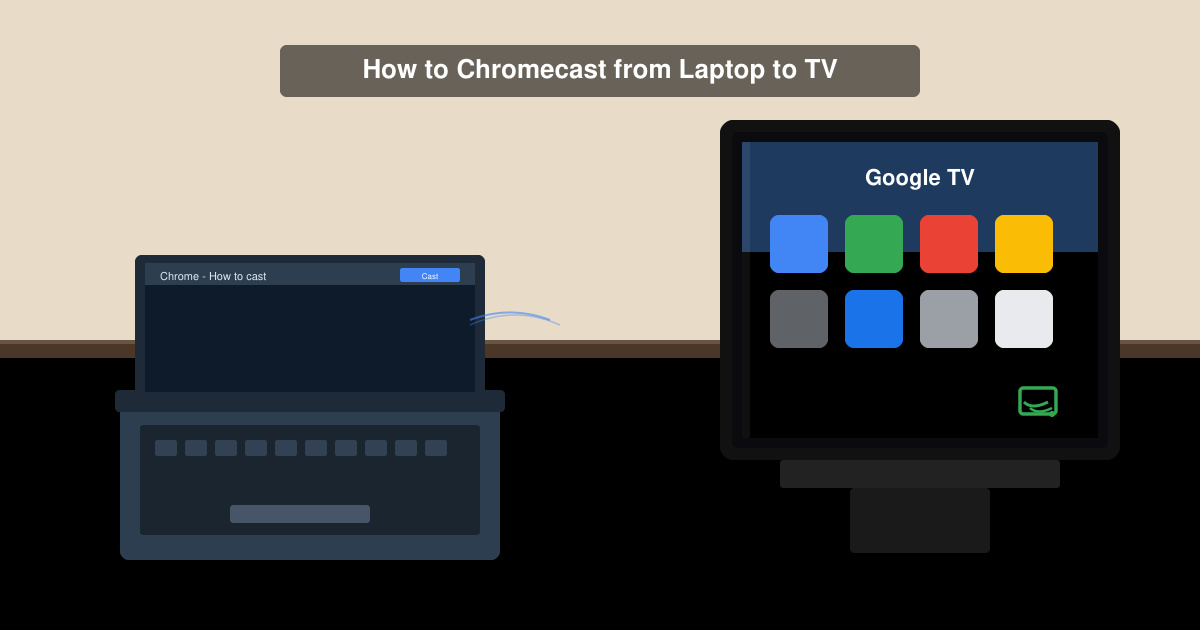
Learn how to Chromecast from laptop to TV with this step-by-step guide. Stream browser tabs, videos, or your full screen from Windows or Mac to your TV in minutes.
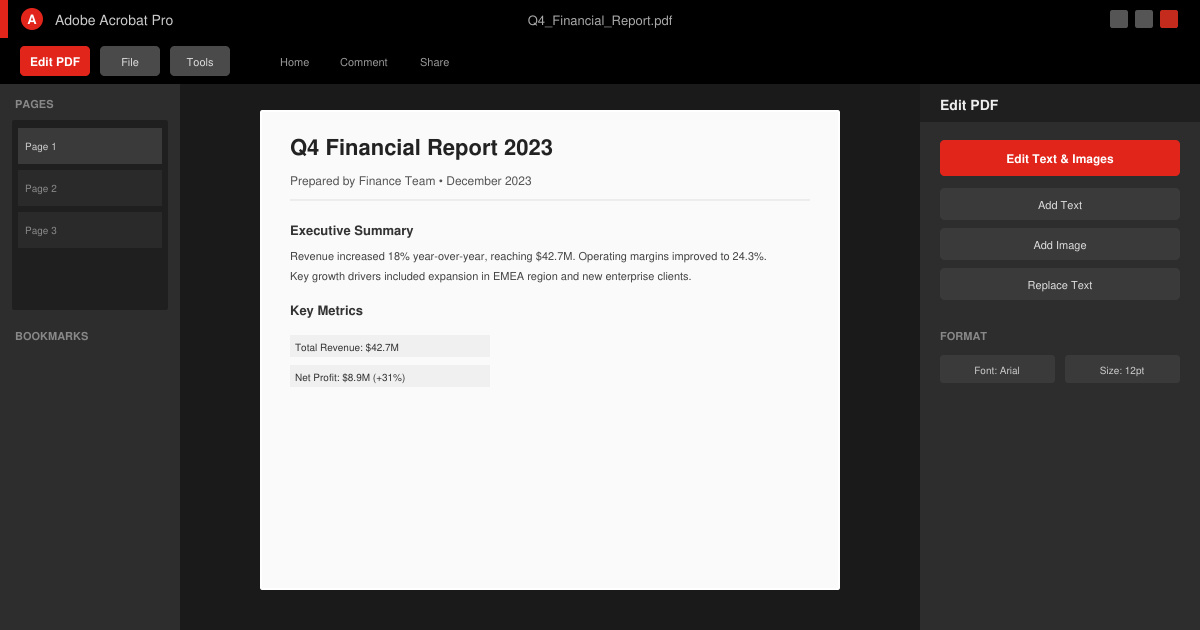
Learn how to edit an Adobe PDF file in Adobe Acrobat with precise steps for text, images, and layout changes. Make professional edits quickly and save time.
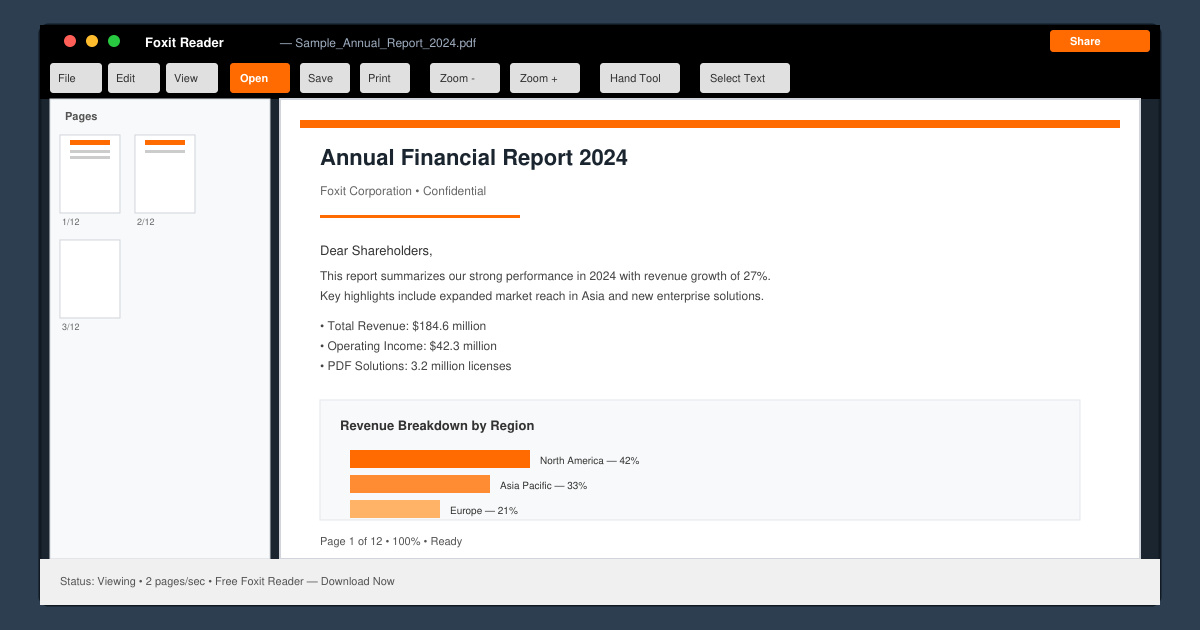
Get your Free Foxit Reader Free Download from the official source with this step-by-step guide that ensures a safe and quick installation for viewing PDFs.
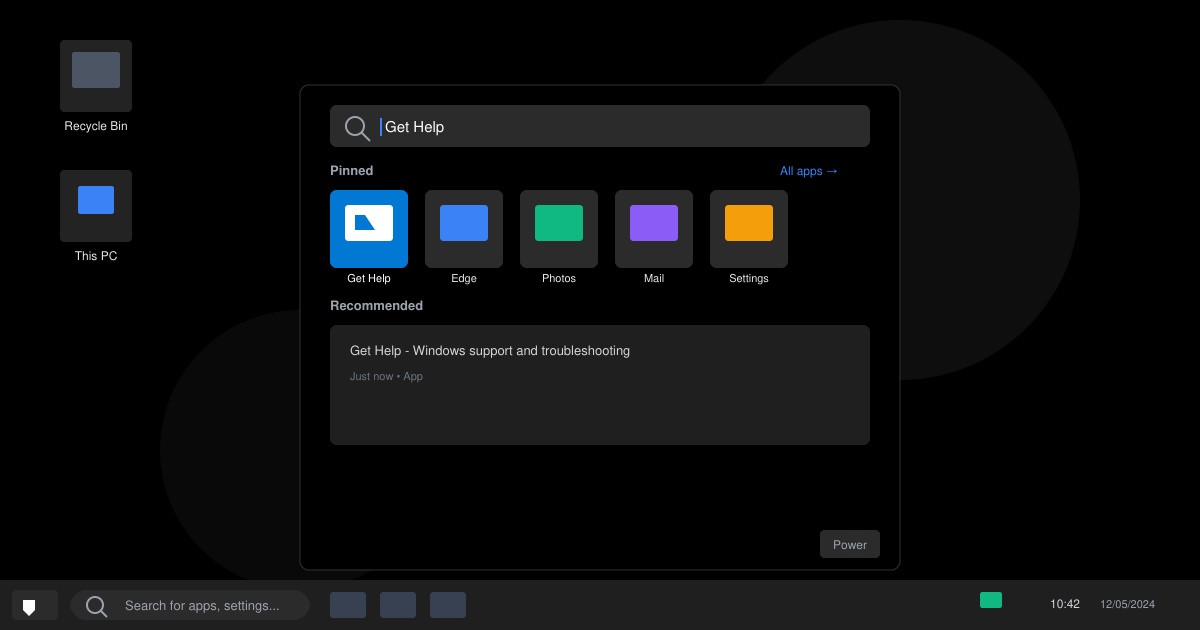
Learn how to get help in Windows 11 with built-in tools like the Get Help app and Quick Assist for fast, official support without third-party downloads.
Learn how to retract an Outlook email in Microsoft Outlook when you need to correct a mistake before the recipient opens it. Follow these precise steps for Exchange accounts.
Learn how to Chromecast in Samsung TV by connecting a Chromecast device and streaming from your phone or computer in just a few minutes.
Get the official Adobe Acrobat DC Reader free download safely. Follow this step-by-step guide to install the latest version for viewing and editing PDFs on Windows or Mac.