Imagine powering on your Windows 11 PC, only to be hit with the dreaded IRQL_NOT_LESS_OR_EQUAL Blue Screen of Death (BSOD). It's frustrating, right? 😩 This error can halt your work, gaming, or streaming sessions abruptly, but don't worry – you're not alone, and it's fixable. In this concise guide, we'll dive straight into understanding and solving the Windows 11 IRQL_NOT_LESS_OR_EQUAL BSOD with practical, up-to-date steps. By the end, you'll have your system running smoothly again. Let's get your PC back on track!
What is the IRQL_NOT_LESS_OR_EQUAL BSOD Error?
The IRQL_NOT_LESS_OR_EQUAL error is a common Windows kernel-mode issue that occurs when a driver or process tries to access memory at an invalid Interrupt Request Level (IRQL). In simple terms, it's like your PC's traffic cop (the kernel) getting confused by a rogue driver speeding in the wrong lane. This leads to a system crash to prevent further damage.
On Windows 11, this BSOD often pops up due to outdated drivers, faulty hardware, or software conflicts – especially after updates or new installations. The good news? Most cases are software-related and can be resolved without a tech degree. Keep reading to uncover the culprits and fixes that work in the latest Windows builds.
Common Causes of IRQL_NOT_LESS_OR_EQUAL on Windows 11
Pinpointing the cause is half the battle. Here's a focused breakdown:
- 👉 Outdated or Corrupt Drivers: Graphics, network, or storage drivers are frequent offenders, especially after a Windows update.
- 👉 Memory (RAM) Issues: Faulty RAM modules or improper seating can trigger this error.
- 👉 Software Conflicts: Antivirus programs, VPNs, or third-party apps interfering with system processes.
- 👉 Hardware Problems: Overheating, failing hard drives, or incompatible peripherals.
- 👉 System File Corruption: Glitches from incomplete updates or malware.
Understanding these helps you target the right fix. Now, let's roll up our sleeves and tackle them one by one.
Step-by-Step Fixes for IRQL_NOT_LESS_OR_EQUAL BSOD
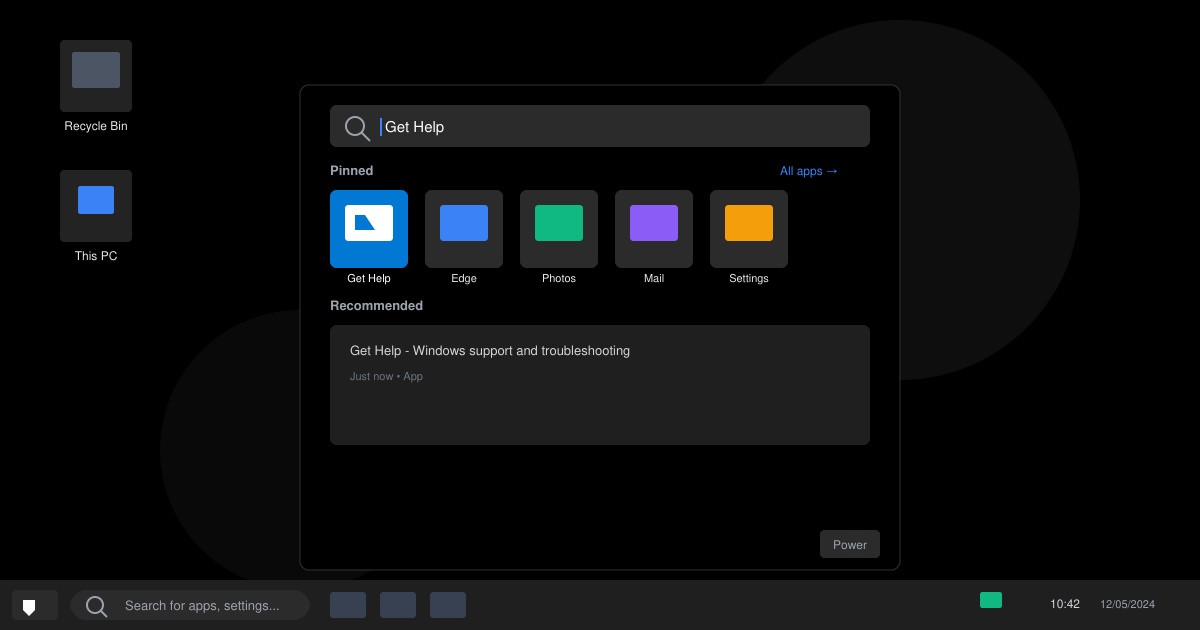
We'll start with the easiest, no-reboot-required methods and progress to advanced ones. Follow along – each step builds on the last for maximum effectiveness. Pro tip: Create a system restore point before starting (search for "Create a restore point" in Windows Search) to safeguard your setup.
1. Update Windows 11 and Drivers
Outdated software is the #1 villain here. Ensuring everything is current often resolves the issue instantly.
- Open Settings (Win + I) > Windows Update > Check for updates. Install any available patches – Microsoft frequently releases fixes for BSOD errors in recent updates.
- For drivers: Right-click Start > Device Manager. Expand categories like Display adapters, Network adapters, and Storage controllers. Right-click each device > Update driver > Search automatically.
- Bonus: Use the manufacturer's tool, like NVIDIA GeForce Experience or Intel Driver & Support Assistant, for precise updates.
Restart and test. If the BSOD persists, move on – we've got more tricks up our sleeve!
2. Run Built-in Troubleshooters and Scans
Windows 11 has smart tools to detect and repair issues automatically. Let's leverage them.
| Tool |
How to Run |
What It Fixes |
| Memory Diagnostic |
Search "Windows Memory Diagnostic" > Restart to check |
RAM errors causing IRQL issues |
| SFC /scannow |
Open Command Prompt as Admin > Type "sfc /scannow" and Enter |
Corrupt system files |
| DISM Repair |
Admin CMD > "DISM /Online /Cleanup-Image /RestoreHealth" |
Deeper image corruption |
| CHKDSK |
Admin CMD > "chkdsk C: /f /r" > Schedule for restart |
Hard drive errors |
Run these in order. The SFC and DISM combo is a powerhouse for BSOD fix on Windows 11. Feel that relief as errors get zapped? ✨ If not, continue to hardware checks.
![Step-by-step troubleshooting for IRQL_NOT_LESS_OR_EQUAL error]()
3. Check for Hardware Faults
Hardware can be sneaky. Start simple:
- 🔧 Reseat RAM: Power off, unplug, open your PC case, remove and reinsert RAM sticks firmly. Test one at a time if you have multiples.
- 🔧 Monitor Temperatures: Use free tools like HWMonitor to check if your CPU/GPU is overheating. Clean dust from fans if needed.
- 🔧 Test Peripherals: Disconnect USB devices one by one and boot up. Faulty external drives or mice can trigger this.
For deeper diagnostics, boot into Safe Mode (hold Shift during restart > Troubleshoot > Advanced > Startup Settings > Restart > Option 4). If the BSOD doesn't appear in Safe Mode, it's likely a driver or software conflict.
4. Uninstall Recent Software and Updates
Did the error start after installing something new? Roll back:
- Go to Settings > Apps > Installed apps. Sort by date and uninstall suspects like recent antivirus or VPNs.
- For updates: Settings > Windows Update > Update history > Uninstall updates. Remove the latest if it correlates with the crashes.
Antivirus like third-party security suites often clashes – temporarily disable or switch to Windows Defender for testing.
5. Advanced Fixes: BlueScreenView and System Restore
If basics don't cut it, grab BlueScreenView (free from NirSoft). It analyzes minidump files (in C:\Windows\Minidump) to pinpoint the faulty driver. Look for highlighted files like ntoskrnl.exe or specific .sys files, then update or remove them via Device Manager.
Still stuck? Use System Restore: Search "System Restore" > Pick a point before the issue started. It's a quick rewind without losing files.
For the latest Microsoft guidance on BSOD troubleshooting, check their official support page: Microsoft Blue Screen Errors.
Prevention Tips to Avoid Future IRQL_NOT_LESS_OR_EQUAL BSOD
Fix it once, prevent it forever! Here's how to keep your Windows 11 fortress secure:
- ⭐ Regularly update drivers and Windows via automated settings.
- ⭐ Run monthly scans with Windows Security for malware.
- ⭐ Use reliable hardware – avoid cheap knockoffs for RAM or SSDs.
- ⭐ Enable automatic backups with OneDrive or File History.
- ⭐ If you're a gamer or heavy user, consider tools like Driver Booster for seamless maintenance (but verify compatibility).
By staying proactive, you'll dodge these crashes and enjoy a smoother experience. Pat yourself on the back – you've just conquered a tough error! 👏
Final Thoughts: Reclaim Your Windows 11 Peace
The IRQL_NOT_LESS_OR_EQUAL BSOD can feel overwhelming, but with these targeted steps, most users see resolution in under an hour. Start with updates and scans, then escalate as needed. If nothing works, it might be time for professional hardware diagnostics – but that's rare.
Got questions or a unique twist to your error? Drop a comment below – sharing experiences helps everyone. Your PC thanks you for the TLC, and soon you'll be back to productivity or play without interruptions. Smooth sailing ahead! 🚀