What Jamieson Greer’s Latest Trade Comments Mean for Canada–U.S. Relations
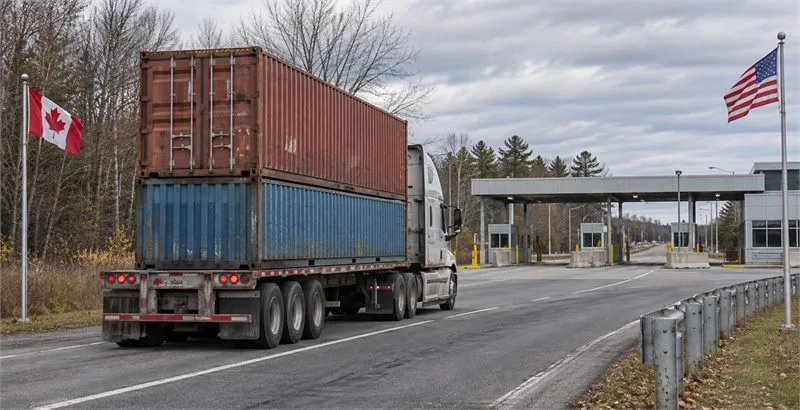
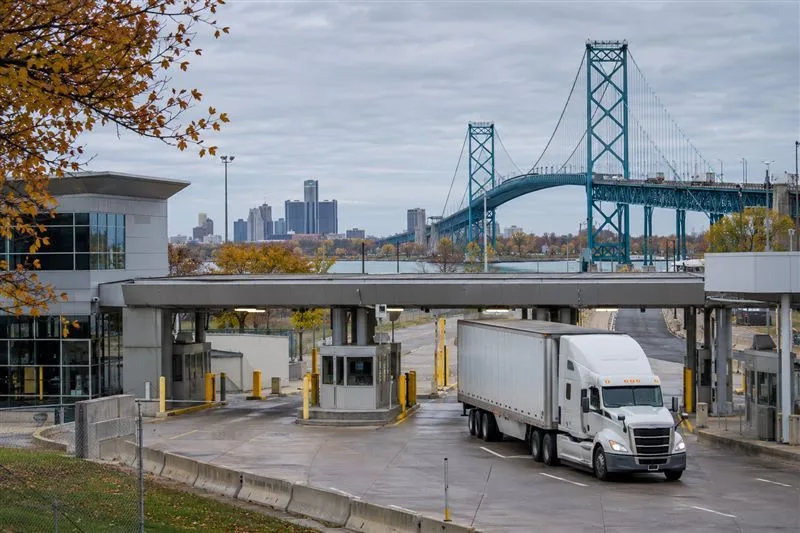
Greer says Canada and the U.S. are fairly close to a trade deal, but auto tariffs and other disputes remain. Here’s what his comments mean for Canada.
Information checked: November 23, 2026, 13:17 UTC (UTC+00:00). The times below refer to the November 2026 astronomical event, not a publishing schedule. All Australian moonrise times are for Tuesday, November 24, 2026.
Australia’s best opportunity to watch and photograph the November 2026 Super Beaver Moon is at moonrise on Tuesday, November 24, when the bright lunar disk climbs above an unobstructed eastern to northeastern horizon. The exact full-moon phase occurs at approximately 14:53–14:54 UTC on November 24—late Tuesday in Perth and after midnight on Wednesday, November 25, across the rest of the Australian capitals listed below. You do not need to stay up until the exact peak to see or photograph an almost completely illuminated Moon.
The practical decision is where to stand, not whether to own a telescope. Find an open horizon, arrive before the city’s predicted moonrise, check cloud cover and local access, and use a foreground such as a shoreline, skyline, tree or ridge for scale. The Moon’s especially dramatic apparent size near the horizon is largely a perceptual effect, not a sudden physical swelling of the lunar disk.
The table separates moonrise, when the Moon first appears above the ideal horizon, from the instant of full phase, which occurs simultaneously worldwide. Actual visibility can begin later behind hills, buildings, trees or clouds. Arriving 20–30 minutes before the predicted moonrise gives you time to choose a safe viewpoint and set up your camera. These calculated moonrise values are not weather forecasts.
| City | Moonrise, Tue Nov. 24 | City time zone | Exact full phase, local time |
|---|---|---|---|
| Sydney | 7:34 p.m. | AEDT (UTC+11:00) | 1:53 a.m. Wednesday, Nov. 25 |
| Melbourne | 8:13 p.m. | AEDT (UTC+11:00) | 1:53 a.m. Wednesday, Nov. 25 |
| Canberra | 7:47 p.m. | AEDT (UTC+11:00) | 1:53 a.m. Wednesday, Nov. 25 |
| Hobart | 8:21 p.m. | AEDT (UTC+11:00) | 1:53 a.m. Wednesday, Nov. 25 |
| Brisbane | 6:09 p.m. | AEST (UTC+10:00) | 12:53 a.m. Wednesday, Nov. 25 |
| Adelaide | 8:00 p.m. | ACDT (UTC+10:30) | 1:23 a.m. Wednesday, Nov. 25 |
| Darwin | 6:38 p.m. | ACST (UTC+09:30) | 12:23 a.m. Wednesday, Nov. 25 |
| Perth | 6:57 p.m. | AWST (UTC+08:00) | 10:53 p.m. Tuesday, Nov. 24 |
Moonrise is shown to the nearest minute using city-specific astronomical tables. NASA lists the supermoon phase at 14:54 UTC on November 24, while timeanddate lists 14:53 UTC; the one-minute discrepancy reflects differences in published calculations or rounding. Both place the viewing opportunity on Tuesday evening in Australia. Daylight saving is included for New South Wales, Victoria, the ACT, Tasmania and South Australia; it is not applied in Queensland, Western Australia or the Northern Territory.
There is no single nationally “best” viewpoint. The useful criteria are an unobstructed east-to-northeast outlook, safe public access after dusk, and a cloud-free opening at the time you plan to shoot. A dark-sky reserve is excellent for stars but unnecessary for the very bright full Moon, and city landmarks often give photographs more visual context. The following are photography-setting suggestions, not claims that skies or access will be clear on November 24.
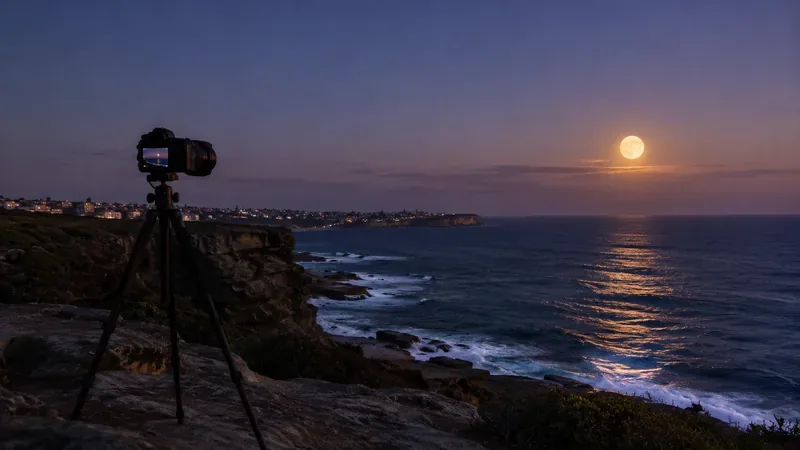
Consider a legally accessible eastern-facing coastal lookout or harbor-side location with a clear sightline past buildings. A coastal headland can place the Moon over water, while a distant skyline lets a telephoto lens compress the Moon against recognizable features. Check whether the site closes at dusk, and avoid unguarded cliff edges and wave-washed rocks.
In Melbourne, an open bay-side perspective or an elevated public space may help separate the rising Moon from low rooftops. Canberra photographers can seek a publicly accessible overlook with an unobstructed northeastern view. Adelaide’s coastal outlooks and Hobart’s open harbor-side spaces offer possible foregrounds, but the Moon’s position relative to any specific landmark requires a location-based azimuth check before arrival.
For Brisbane and Darwin, an open riverfront, public waterfront or inland lookout can be more reliable than a crowded viewing platform, provided your eastern horizon is unobstructed. Perth viewers should remember that an ocean-facing west-coast beach points toward sunset rather than the rising Moon: choose an eastern outlook for moonrise, or photograph the Moon later when it has climbed higher. In every city, avoid promising any specific cloud break until the latest forecast has been checked.
Early twilight can be particularly forgiving because the sky and Moon are closer in brightness. A phone’s automatic night mode may overexpose the Moon; test standard photo mode with negative exposure compensation as well. NASA’s lunar photography guidance emphasizes experimentation over a universal setting.
For a DSLR or mirrorless camera, begin in manual mode with ISO 100, f/8 to f/11 and a shutter speed around 1/125 second, then review the histogram and adjust for your equipment and haze. The “Looney 11” rule—f/11, with shutter speed approximately the inverse of the ISO number—is a useful starting point rather than a guaranteed exposure. Use manual focus or carefully placed autofocus on the Moon, shoot RAW if available, and consider a longer lens for detailed lunar texture.
Use a sturdy tripod for composed foreground shots, but remember that a long exposure that brightens a dark landscape can blow out the Moon. One solution is to take separate exposures and blend them transparently afterward, clearly recognizing that the finished photograph is an edited composite. If the desired result is a single documentary exposure, accept that either the Moon or the foreground may be less detailed. A planned telephoto composition can also make the Moon seem large relative to a distant building without altering its actual angular size.
A supermoon is a full Moon occurring near the Moon’s closest approach to Earth during its elliptical orbit. NASA identifies November 24, 2026 among its upcoming supermoons. The label does not imply an eclipse, an unusual color, or a Moon that suddenly doubles in size. Under clear conditions it may look somewhat larger and brighter than a more distant full Moon, but the difference is subtler than many promotional images suggest.
“Beaver Moon” is a traditional Northern Hemisphere name for November’s full Moon. Australia is in late spring during November, so the seasonal story behind that name is not an Australian wildlife forecast. The astronomy, however, is the same event viewed from different parts of Earth.
Check the Bureau of Meteorology MetEye forecasts shortly before departure, looking at clouds, showers and warnings for your precise location. Partial gaps in cloud can still produce compelling silhouettes or atmospheric photographs, but heavy cloud can fully obscure moonrise. Do not travel to exposed cliffs or isolated coastal platforms in hazardous wind, surf or thunderstorm conditions.
If the evening is poor, the Moon will still appear nearly full on the evenings immediately before and after the peak. The trade-off is that moonrise shifts later each night and the exact phase has passed, but for casual observing and many compositions this matters far less than visibility and safety.
Both dates describe the same event. The best moonrise viewing window is Tuesday evening, November 24, 2026. Exact fullness is Tuesday at 10:53 p.m. AWST in Perth and early Wednesday, November 25, in other Australian capital-city time zones.
Look generally east to northeast, with the precise bearing depending on your location. Check a city-specific moonrise chart or compass tool if you want the Moon aligned with a particular landmark.
No. The Moon is easily visible to the unaided eye. A steady smartphone can capture a scenic moonrise, while a camera with a longer lens is better for close-up surface detail.
Sources checked: NASA: supermoon dates and explanation; timeanddate: November 2026 lunar phases; Sydney moonrise table; Melbourne moonrise table; Canberra moonrise table; Hobart moonrise table; Brisbane moonrise table; Adelaide moonrise table; Darwin moonrise table; Perth moonrise table; NASA: lunar photography; Bureau of Meteorology: forecast information.
Greer says Canada and the U.S. are fairly close to a trade deal, but auto tariffs and other disputes remain. Here’s what his comments mean for Canada.
U.S. Trade Representative Jamieson Greer says Canada and the U.S. are fairly close to a trade deal. Here’s what is confirmed, what remains unresolved and what to watch next.
U.S. Trade Representative Jamieson Greer says Canada and the U.S. are fairly close to a trade deal. Here’s what that could mean for Canadian prices and tariffs—and what remains uncertain.
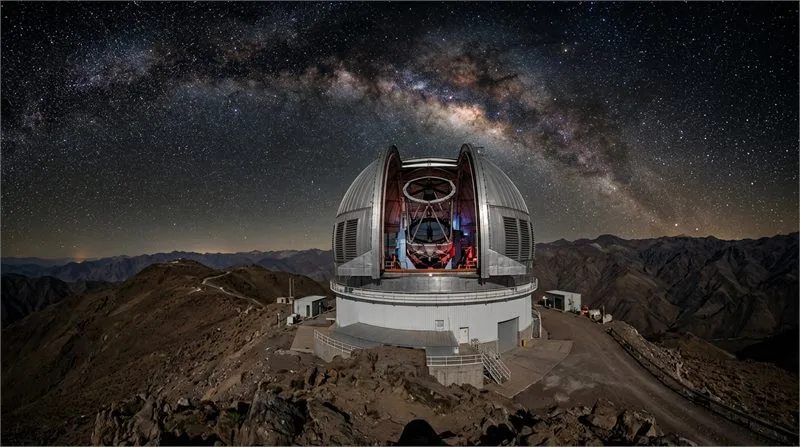
New observational sky surveys and advanced telescope commissioning have eliminated 78 percent of Planet Nine's predicted search space, focusing the search on faint deep-sky corridors.
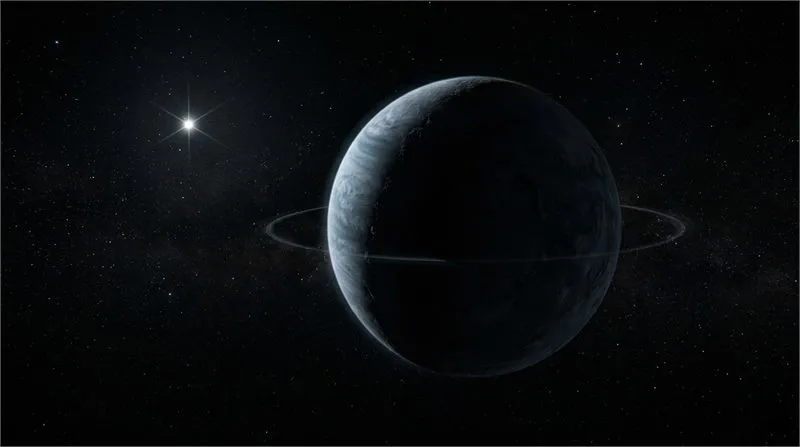
Why do astronomers believe a massive ninth planet lurks beyond Neptune? Discover the latest 2024–2026 dynamical evidence, orbital surveys, and search updates.
GTA VI is available on PS5 and Xbox Series X|S. Rockstar’s credits now confirm the actors behind Lucia and Jason and spotlight the game’s wider cast.
Josh Giddey set a career high with 22 assists against Denver. Here’s what his performance could mean for the Chicago Bulls’ offence and his role.
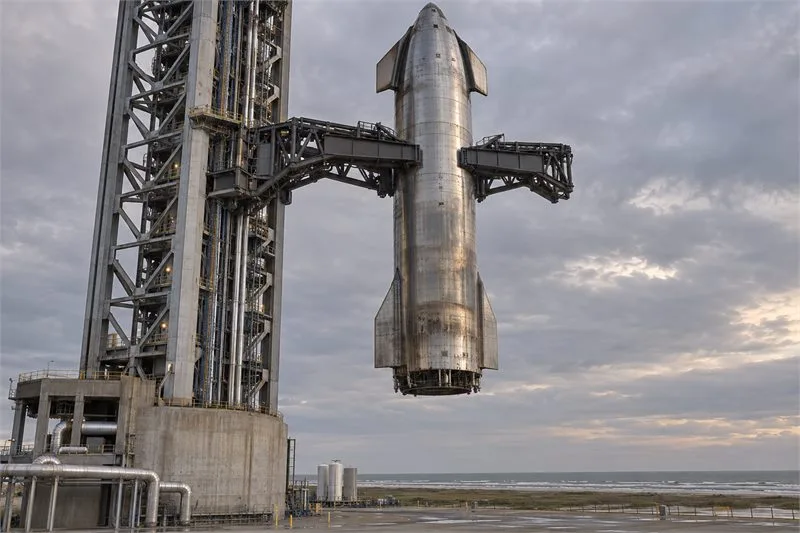
Starship Flight 15 reached orbit and Ship was caught at Starbase, but its booster recovery failed. Here are the mission’s key milestones and what comes next.
Grand Theft Auto VI is out now on PS5 and Xbox Series X|S. Here is everything confirmed about the release date, PC launch timeline, and core features.
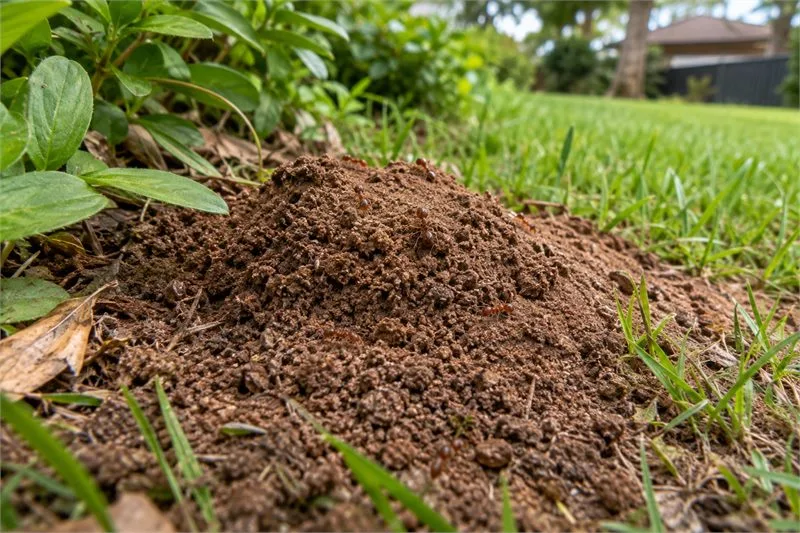
NSW treated a suspected fire ant nest in Auburn outside the Enfield control zone. Here’s what authorities have confirmed and what residents should know.