
When to Start Decorating for Halloween in 2026

Use a simple 2026 Halloween decorating timeline for indoor décor, outdoor displays, and fresh pumpkins, with practical adjustments for weather and events.
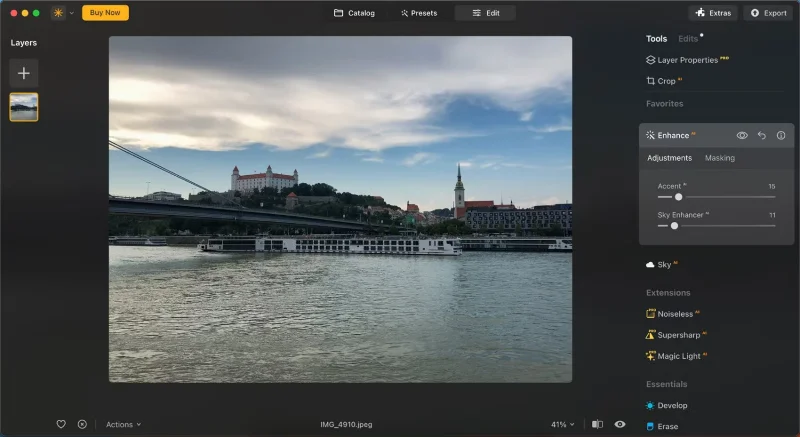
While AI photo editors can streamline your editing workflow significantly, they are not perfect. There are a few things users don’t like about them, and in today’s article, you’ll discover what they are.
Table of Contents
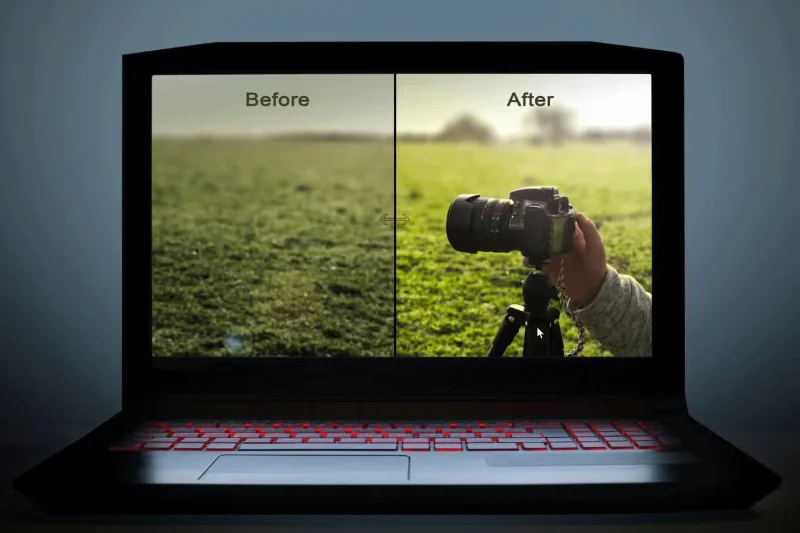
AI photo editors are generally designed to cut down on editing time. This is useful if you’re trying to batch edit photos or simply don’t like adjusting your own photos. However, the biggest complaint users have is the lack of complete control over the final result.
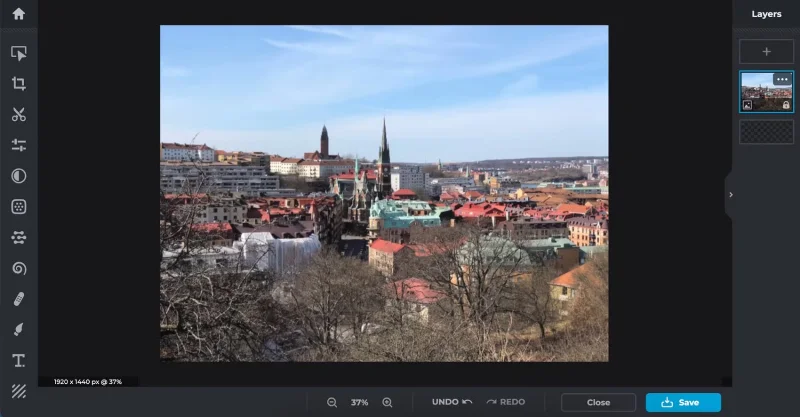
While you can manually edit various aspects and tweak what’s on offer, it can be difficult to get exactly what you want if you’re aiming for a specific style. For this reason, many people don’t rely on AI editing for the majority of their work. Instead, they find it better for troubleshooting and getting an idea of what the final result could be.
If you're just starting out, this may not bother you too much. But as you get more experienced, you'll want more control over the look of your photos.
Another big problem with AI photo editors is that many people consider them perfect. This is a common problem with AI in general; for example, some people think that just having ChatGPT answers is enough.
Like all forms of AI, you should treat photo editors like tools. They will make mistakes from time to time, so you shouldn’t rely on them completely. You should also consider avoiding these mistakes when using AI image generators.
Learning how to use photo editing software takes years of trial and error. While you'll make a lot of mistakes when you first start out on your photography journey, they'll help you become a much better editor. Everyone goes through a phase where they hit the "Auto" tab and then make more edits like they do now, but that phase will eventually pass.
As you edit your photos, you’ll naturally learn how each slider works over time. You’ll also figure out how to use features like color grading. If you rely on a one-click editor, you’ll miss out on this experience.
Ultimately, whether or not this matters to you will depend on your long-term goals. If you just want to do some quick photo editing on your smartphone, it may not be a big deal. But if you want to take your photography to the next level, knowing how to use the software to its fullest will give you a significant advantage.
This issue is somewhat related to what the article just mentioned. Compared to regular photo editing software, AI photo editors are limited in features. Many tools will offer features like auto-adjust and sky replacement, but they don’t seem to have enough depth to give you full editing control.
The best option is to have a photo editing tool that has both manual and AI features. For example, Lightroom and Photoshop both have AI features along with other services.
If you choose an AI photo editor, make sure it has at least the tools you know you’ll need. You may also want to use more than one solution, but just make sure you don’t overwhelm yourself.
People can easily tell if something is created with AI, and AI-generated posts that aren't edited are no exception.
When using an AI photo editor, you sometimes notice that your photos no longer look realistic. They often look too smooth, and if you don't know how to use the software properly, you can also see the difference (for example, not selecting the entire element when trying to replace it).
In most cases, you can mitigate this problem by learning how to write prompts and select areas of your image better. But even then, understand that you may not get the realistic results you want.
No editor, AI or not, can fix problems with your photos beyond a certain point. For example, if your photo looks too blurry, you're better off reshooting.
This is because many photographers see editing software as the way to fix everything. The ideal scenario is that you can do as much editing as possible in-camera and the editing software is simply there to make final adjustments. This isn’t always the case, but you should still try to make it happen more often.
Finding your photographic style takes years (and in some cases decades). To get to this point, you have to learn how to use your software and camera in a way that makes your images unique. So if you rely solely on an AI photo editor, you’ll have a hard time standing out.
One problem with AI is that everything it produces is the same color scheme – the same is true of AI photo editors. Again, this is fine if you’re a regular editor – but if you’re not, you should look to add a human touch. Think about what you actually want the image to look like and make further adjustments based on that.
While many people are against AI photo editing, it does have some advantages if you use it correctly. The most important thing to remember is that it is not everything. You also need to know its limitations and be prepared for potential problems with your images.
Use a simple 2026 Halloween decorating timeline for indoor décor, outdoor displays, and fresh pumpkins, with practical adjustments for weather and events.
Mix five vivid, approachable Halloween cocktails with measured recipes, simple prep tips, and an alcohol-free option for your party guests.
Find 15 office-friendly Halloween costume ideas for 2026, with practical checks for dress codes, respectful themes, comfort, and workplace safety.
Plan a fun elementary school Halloween party with easy crafts, games, inclusive treats, costume tips, and a sample 75-minute classroom schedule.
Compare realistic side hustles for 2026 by startup cost, fees, flexibility, and income control, with current tax and scam guidance from official sources.
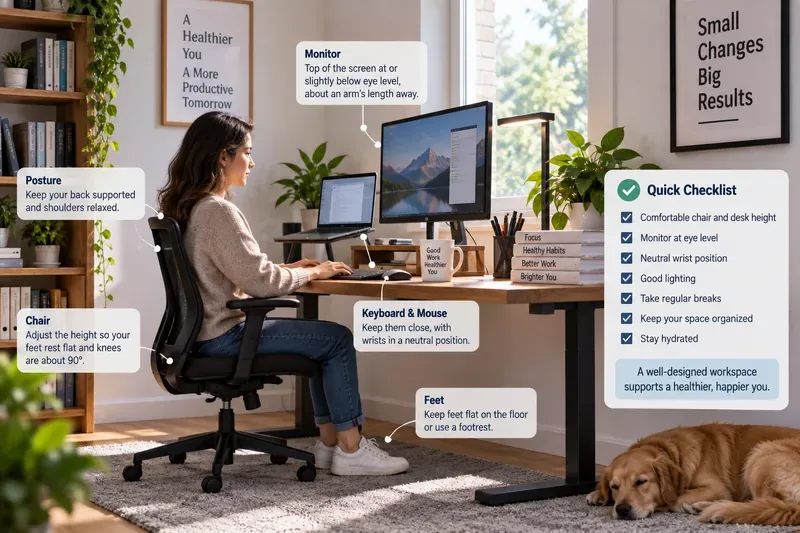
Upgrade your home office ergonomics with current OSHA and NIOSH guidance on chair fit, monitor height, laptop setup, lighting, and movement.
Learn why emotional intelligence matters in leadership, where it helps most, how to strengthen it, and how to tell whether your approach is working.
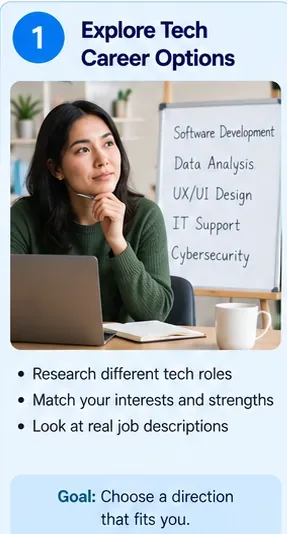
A practical roadmap for moving into tech without a degree: choose an accessible role, build job-ready skills, prove them with projects, and use hiring feedback to improve.
Build a credible LinkedIn personal brand in 2026 with current profile, content, newsletter, analytics, verification, and visibility guidance from LinkedIn.
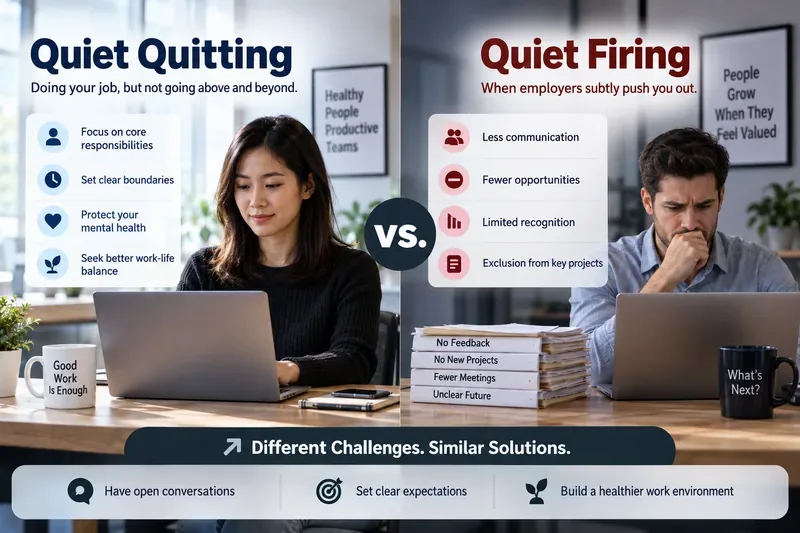
Quiet quitting and quiet firing are catchy labels, not diagnoses. Learn what is verified, what depends on context, and what employees and managers can do next.