Schedule Reliable Backups for ONLYOFFICE Workspace
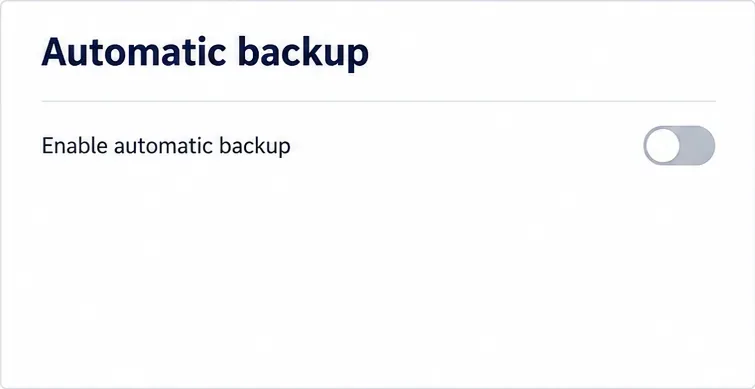
Set a backup destination, schedule, Mail coverage, and retention limit in ONLYOFFICE Workspace, then verify the archive is ready to restore.
iCloud Drive is a notable feature in the iCloud cloud service that Apple introduced on iOS 8 . iCloud Drive works on cloud platforms, similar to other online storage services such as Dropbox , Google Drive ..., allowing to store all documents in the cloud to be accessible from your iPhone, iPad. , iPod Touch, Mac, even PC.
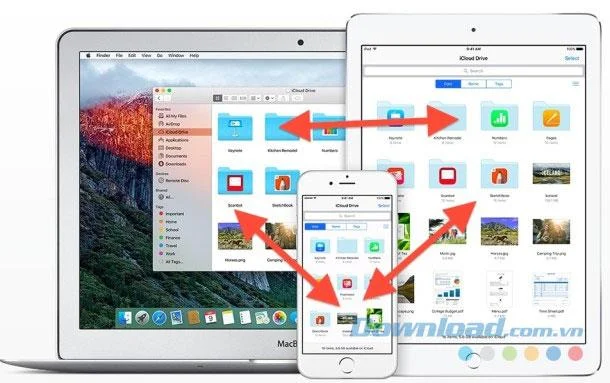
iCloud Drive allows you to store all documents such as presentations, spreadsheets, PDFs, photos ... on iCloud so you can sync and backup between multiple devices. iCloud Drive is available for iOS and Mac, so it's convenient for iPhone and Mac users.
With iCloud Drive, you can access and edit files in the Documents app, using the Open In option to export the file to another application. IPhone and Mac users can back up data to iCloud Drive to sync to other devices, or simply store online safely and securely, avoiding data loss when lost or damaged.
You can't create a folder in iCloud Drive on iOS but you can create it on a Mac running OS X Yosemite or the version of iCloud for Windows , then access this folder on any device. If you haven't upgraded to Yosemite yet, the advice here is not to turn on the iCloud service because you can't access files on a Mac.
You can store everything on iCloud, but the size should not exceed 15GB, the total file size should not exceed the allowed limit.
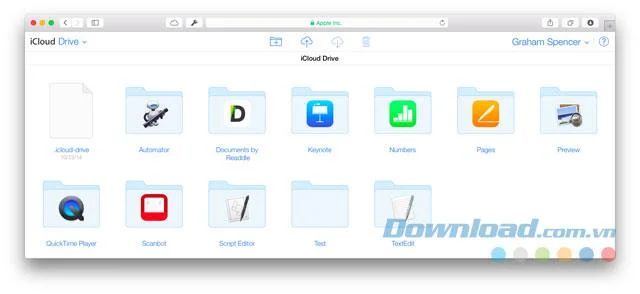
There is currently no separate app for iCloud Drive on iOS devices, but you can access files with applications that support iCloud. Tap the text selector or the Share button > iCloud to read the file. The file will be in the corresponding App Library folder in each specific application.
On a Mac, you can access the iCloud Drive folder in the Finder or use iCloud for Windows on your computer.
You can also access files on iCloud.com by logging into your Apple ID account, clicking on iCloud Drive or iWork for iCloud Beta. There are also apps like Documents 5 , Cloud Opener, or browse and open documents in iCloud Drive individually.
There will be the option to activate iCloud Drive while setting up a new device or go to Settings > iCloud > Upgrade to iCloud Drive. On a Mac, go to the Apple menu > System Preferences > iCloud , log in with your Apple ID and select iCloud Drive.
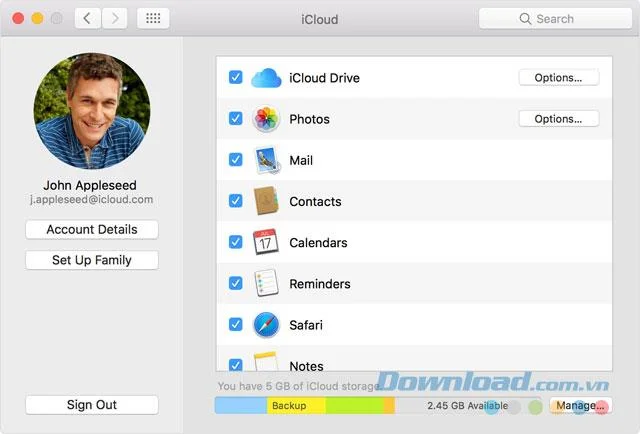
iCloud Drive uses the 5GB of free storage that iCloud provides users. The 5GB you receive will be allocated to iCloud Backup, iCloud Drive, iCloud Photo Library, iCloud Mail and data from applications that use iCloud. However, music, apps, books, TV shows, movies, My Photo Stream will not use the free iCloud storage you have.
With the advent of iCloud Drive, Apple introduced to users more attractive cloud storage packages such as:
When you turn on iCloud Drive, you will be notified of new Look Me Up By Email settings. This option allows you to search Email in applications, making it easy to share files in iCloud Drive with your contacts. You cannot completely disable this feature, but you can disable it at the application level.
To turn off iCloud Drive on iOS devices, go to Settings > iCloud > iCloud Drive and on Mac: Apple menu > System Preferences > iCloud . When you turn off iCloud Drive, you will manage internal files, documents that are not synchronized or updated on iOS, Mac, or iCloud.com devices.
iCloud Drive only stores files and documents, and photos and videos will be managed in iCloud Photo Library - a feature similar to iCloud Drive.
Hopefully, with the above knowledge, you can better understand iCloud Drive and how to use this feature in Apple's iCloud cloud service .
Set a backup destination, schedule, Mail coverage, and retention limit in ONLYOFFICE Workspace, then verify the archive is ready to restore.
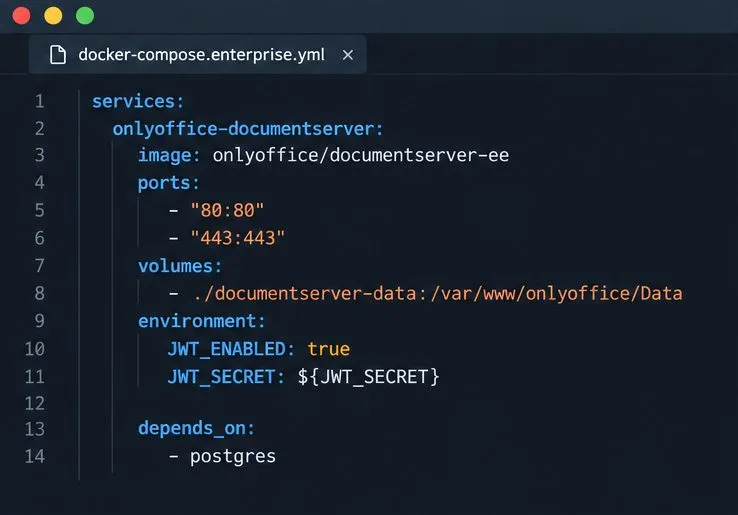
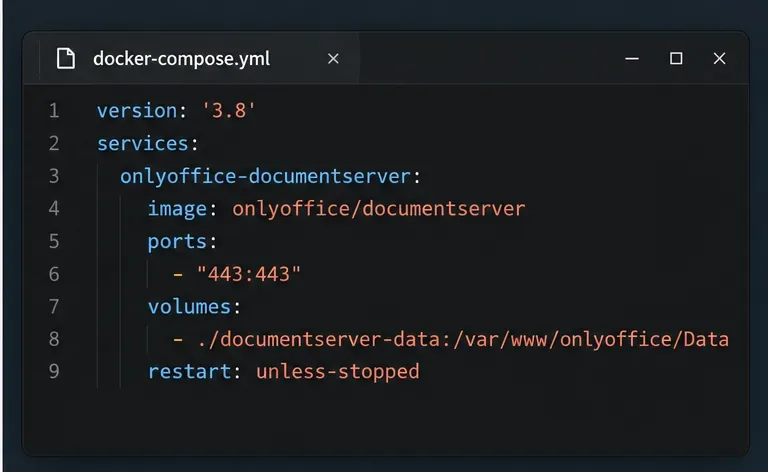
Start the Enterprise Docker Compose stack, persist its license and data, configure JWT safely, and confirm the editors are ready to integrate.
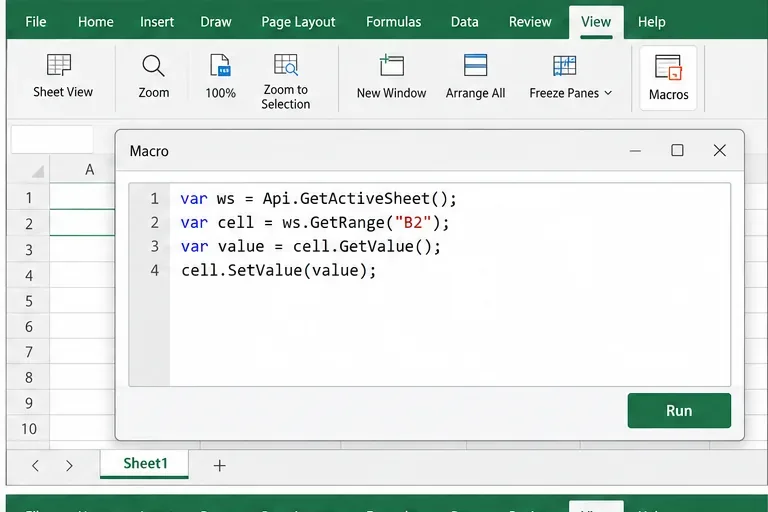
Use an ONLYOFFICE JavaScript macro to remove nonprinting characters and trim extra spaces from a defined spreadsheet range, with a safe review workflow.
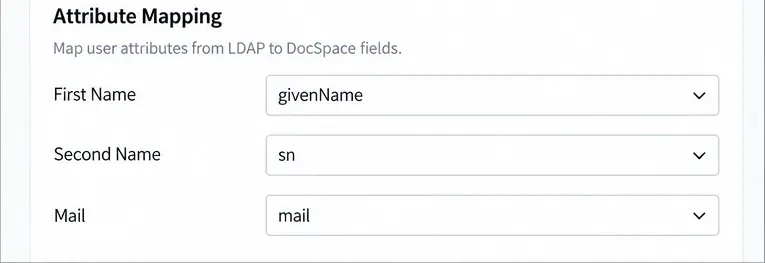
Connect ONLYOFFICE DocSpace to Active Directory or OpenLDAP, import users and groups safely, map account fields, and schedule reliable synchronization.
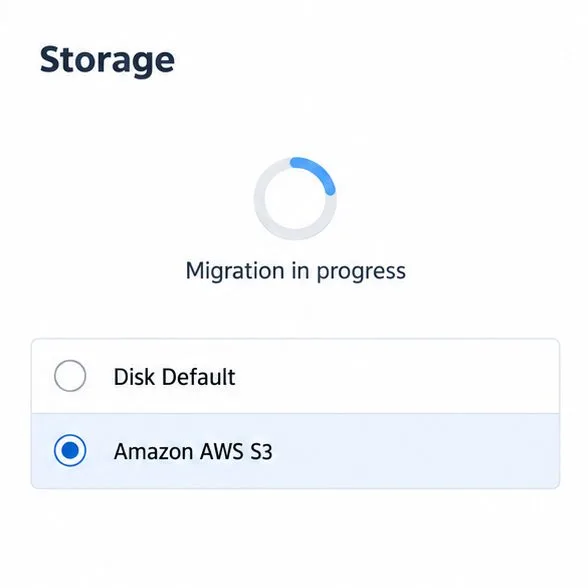
Move portal data from Disk Default to a supported cloud storage provider, or relocate Docker data safely by changing its host volume mapping.
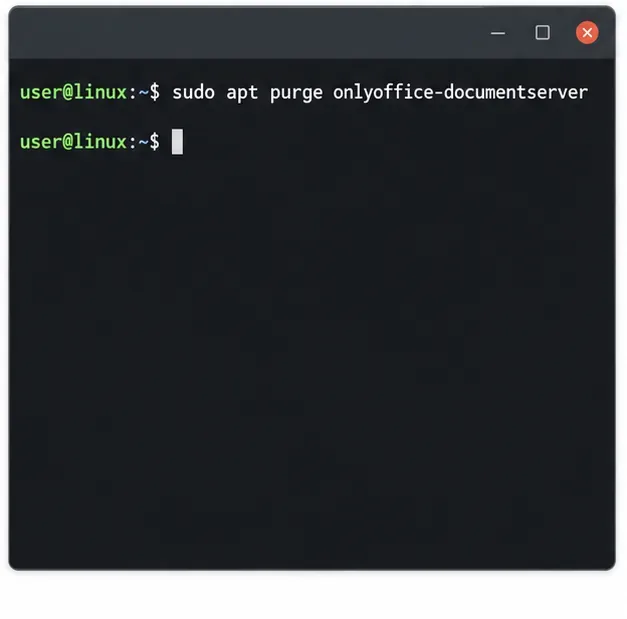
Identify whether Document Server uses a Linux package or Docker, remove only its components, and check remaining data without deleting shared services by mistake.
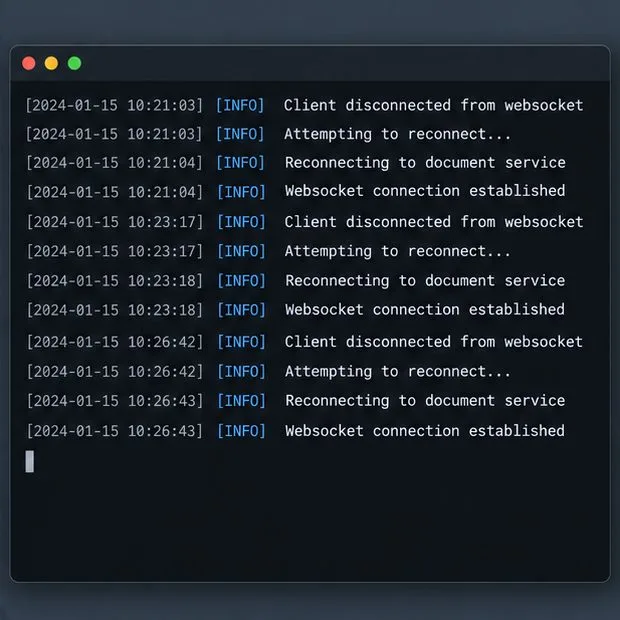
Trace slow collaborative editing to Docker resource pressure, proxy connections, or document load, then choose the fix that matches your measurements.
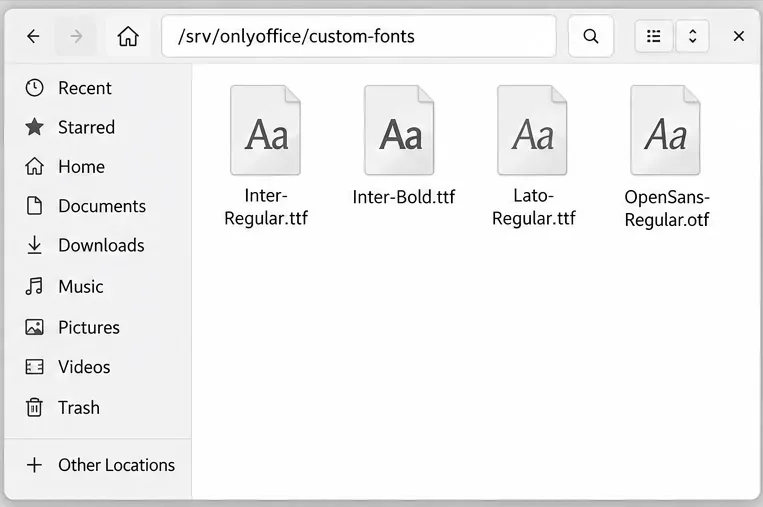
Install custom fonts in ONLYOFFICE Document Server, compare persistent Docker mounts with direct copies, rebuild the font list, and verify the result.
Choose where TLS should terminate, mount a trusted certificate and private key safely, and verify HTTPS access to a Dockerized ONLYOFFICE Docs server.
Embed the ONLYOFFICE editor in your PHP app, sign its configuration with JWT, and save edited files through a secure callback.