Home
» PC Tips
»
Turn off these 7 Windows services to extend battery life!
Turn off these 7 Windows services to extend battery life!
Most Windows laptops don't get great battery life; part of the reason is that Windows is full of background services that you don't really need. Turning off a few of them can save you a significant amount of battery life without affecting your day-to-day use.
7. Windows Search Indexer
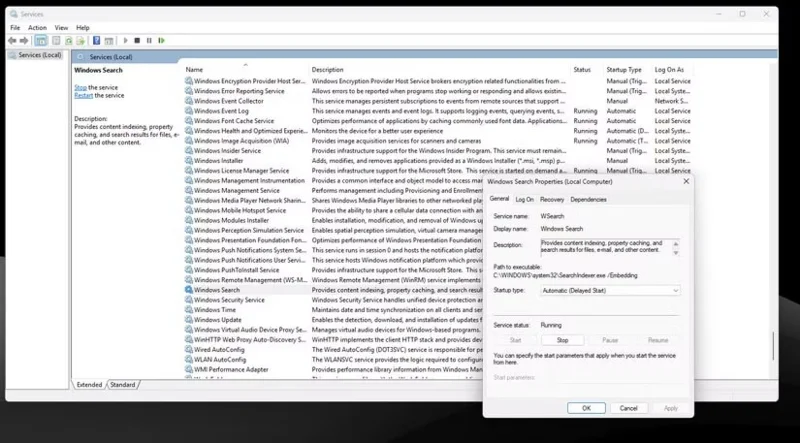
Windows Search Indexer, also known as searchindexer.exe in Task Manager , is one of the first background services you should disable to extend your laptop's battery life. This service powers the Windows search function on your PC, helping you find files and folders. It sounds important, but this function is slow, constantly running in the background, taking up CPU resources , draining battery, and not even working well.
Search for Windows in the Start menu
Disabling the service won't affect anything on your computer - except for Windows Search, of course. However, there are better alternatives, such as Agent Ransack, Everything, and the PowerToys Run utility.
6. Background Intelligent Transfer Service (BITS)
BITS, or Background Intelligent Transfer Service, is used to facilitate the downloading and installation of updates in the background. This is another service that runs in the background, consuming CPU, memory, storage, and of course, power. It is designed to use idle network bandwidth, but it runs almost constantly in the background, resulting in moderate but persistent battery drain.
Windows service manager with properties open
Disabling this service will have little impact on your system. You will have to update Windows manually, which can actually be a plus, given how often Windows updates disrupt functionality. Additionally, other Windows components that rely on BITS, such as any Microsoft Store apps you have installed, will also require manual updates.
5. Connected User Experiences and Telemetry
As you probably know, Windows 11 collects a lot of data about how you use your PC. To help collect this data, the Connected User Experiences and Telemetry service constantly runs in the background, reporting system events like app crashes, feature usage, performance metrics, and more to Microsoft.
Windows Privacy & security settings
You should disable this service if you are concerned about privacy on Windows 11. Additionally, since this service constantly uses system resources in the background, disabling it can reduce your PC's overall power consumption.
4. Program Compatibility Assistant Service
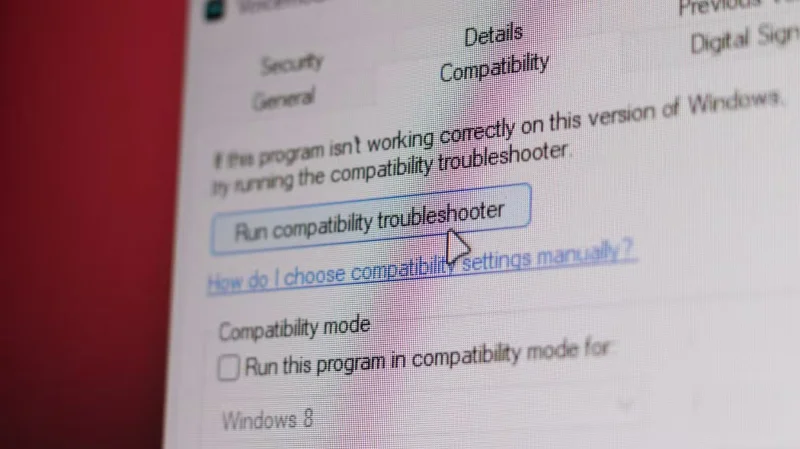
The Windows Program Compatibility Assistant Service isn't something you'll use every day; however, it can consume significant CPU, memory, and power while analyzing program compatibility issues. It may seem important to you, but it's rarely useful.
Windows compatibility troubleshooting options
Disabling this service won't really impact your day-to-day Windows usage unless you're using a particular legacy app. A better approach would be to disable this service on Windows 11 for better performance and battery life, then install a virtual machine to handle any legacy apps.
3. Windows Error Reporting
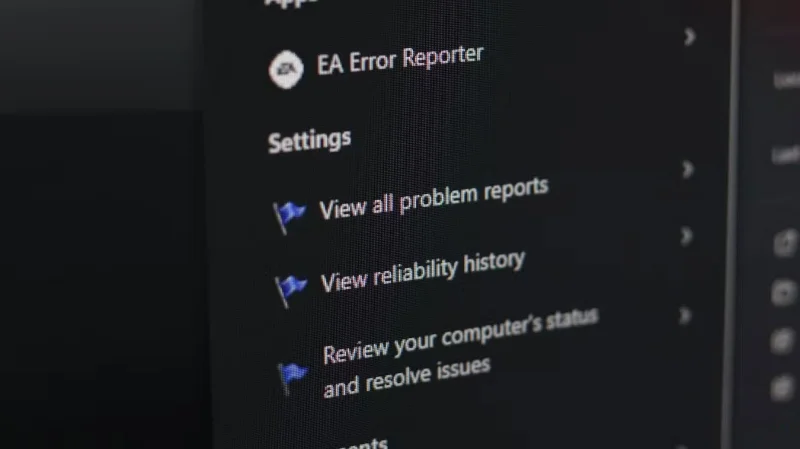
Windows Error Reporting is responsible for collecting and transmitting crash data. This service is not constantly running, but can use up to 10% of the CPU while monitoring for any active errors. Due to the frequency of crashes on Windows, this may or may not be a significant factor in battery life.
Install Windows Error Reporting
This service does not fix any problems on your system; it simply reports them to Microsoft. This means that disabling this service will not have any significant impact on your day-to-day PC usage.
2. Windows Update Medic Service
The Windows Update Medic Service, or WaaSMedic, is responsible for ensuring that Windows Update works properly. It usually works in tandem with BITS to detect any problems that arise during the update process and attempt to fix them. While this is a reliable way to ensure that Windows updates itself and its components without any problems, this service can take a toll on your performance and battery life.
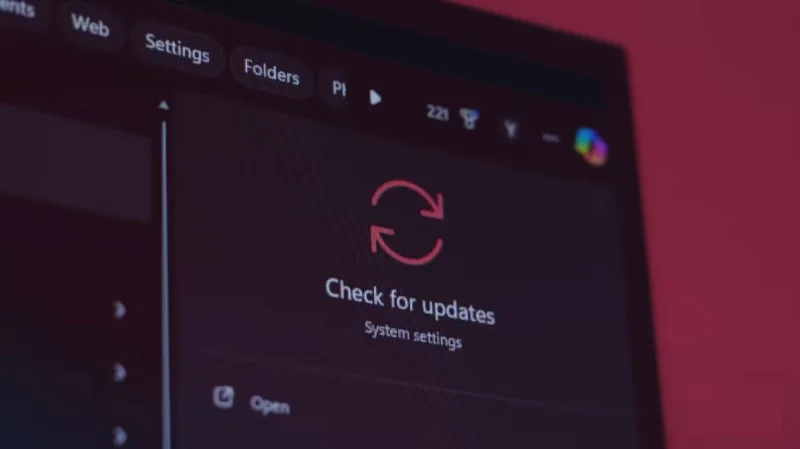
Windows Update in the search menu
However, if an app update fails, without this service you may need to reboot the update or the entire system. It is recommended that you disable both BITS and WaaSMedic until it is time to update your system, at which point you can plug it in and let it run to install the updates without any issues.
1. Touch Keyboard and Handwriting Panel Service
This is one of those Windows features that should be disabled at setup until you plug in a drawing tablet, stylus, or similar input device. However, it’s enabled by default and can silently drain your battery. It’s not a significant drain, but unless you’re using touch or a stylus on your PC—which you usually don’t do when running on battery—it’s useless.
Installing a Stylus in Windows
Disabling this service won't magically improve your battery life. However, it can help to disable unnecessary processes on your PC, especially if you're running older hardware. If you have a touchscreen laptop, however, you shouldn't disable this service, as doing so could cause the touchscreen to stop working.