Would Europe Be Drawn into a Hypothetical U.S.-Israel-Iran Nuclear War? NATO Rules Explained

A guide to NATO Articles 4 and 5, UN self-defense rules, and why consultation does not mean automatic European entry into war.
Vampire finches have lived on Darwin Island and Wolf Island (both part of the Galapagos Islands - Ecuador) since 500,000 years ago.

In fact, the Galapagos Islands are home to 13 different species of finches that evolved from a common ancestor. Each finch species has adapted its diet to its environment. Some prefer to eat insects, seeds, and nectar, while others, like the “vampire” finches, prefer to drink blood from large seabirds.
Darwin Island and Wolf Island have harsh weather conditions and scarce food, even in the dry season there is no food. Therefore, the "vampire" finches have to eat parasites on the skin and feathers of large birds that live on the island such as some seabirds, red-legged boobies, etc. Over time, they start to suck blood while catching parasites. However, this behavior is only performed when other food sources such as seeds and insects are scarce, forcing them to drink blood to survive.

The vampire sparrow uses its sharp beak to peck at the wings of larger birds and drink their blood. Since larger birds are used to sparrows helping to “clean” parasites from their bodies, they do not fight back when their blood is sucked.
According to scientists, sparrows drinking blood is an unusual behavior and this is an "evolution" to adapt to the environment.

Blood contains few essential nutrients but too much salt and iron. However, because the digestive system of the "vampire" sparrow possesses a type of gut bacteria called Peptostreptococcaceae that can digest these two substances, when necessary, they are ready to use this "food" source.
Even if there is no food, they will attack seabirds and their young to drink their blood.
Not only do they drink blood, vampire sparrows also steal other species' eggs, then push them against rocks with their feet until they break open so they can eat them. Due to the scarcity of food, to survive, vampire sparrows also eat bird droppings and fish left over from other predators.
A guide to NATO Articles 4 and 5, UN self-defense rules, and why consultation does not mean automatic European entry into war.
Assess claims about Iran in six steps, distinguishing uranium enrichment, weapons development and verified possession.
Understand nuclear decision authority in six steps, including US civilian control and the limits of public information about Israel.
A guide to official 2026 evidence on Hormuz shipping disruption, Iran-related claims, confirmed incidents, and what remains uncertain.
A source-based guide to nuclear escalation risks, UN Charter rules and NATO Article 5 in a strictly hypothetical Iran scenario.
Use five steps to prepare for an outage; nuclear and EMP scenarios are hypothetical, and official shelter instructions come first.
Use 5 defensive steps to verify a cyber disruption, protect household accounts, and avoid mistaking an outage for war.
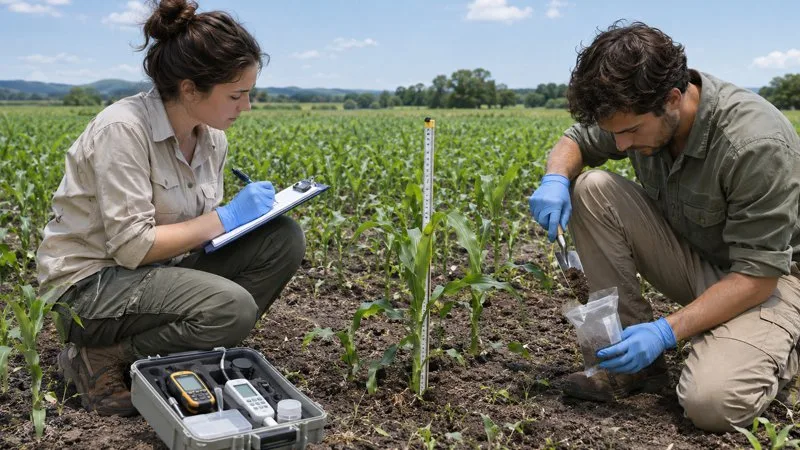
Use these 5 steps to assess climate effects from a hypothetical Iran strike, compare model assumptions, and avoid unsupported predictions.
Explore six steps for reading research on climate, food and ecosystem recovery after a hypothetical nuclear conflict.
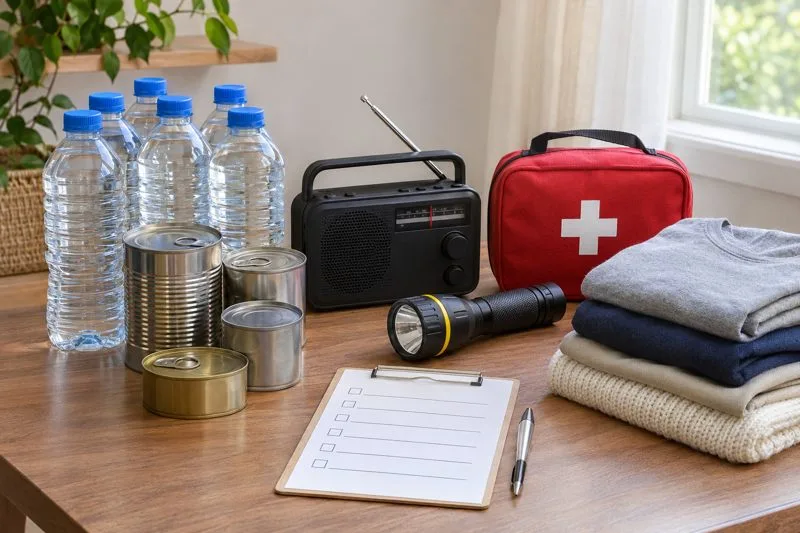
Build a practical fallout preparedness kit in six steps, with sealed food and water, a radio, medical supplies and shelter guidance.