When to Start Decorating for Halloween in 2026

Use a simple 2026 Halloween decorating timeline for indoor décor, outdoor displays, and fresh pumpkins, with practical adjustments for weather and events.
Our bodies are machines, constantly sending signals and messages, but we rarely pay attention to them. These subtle, subconscious forms of communication can reveal our thoughts and feelings to those around us. So next time you’re in a conversation, remember: Your body is talking – even when you’re not. Now let’s take a look at how your body communicates and what it’s trying to tell you !
Meaning of body changes

Blushing, sweating, or even goosebumps are involuntary responses your body uses to quickly communicate your emotions. Blushing can signal embarrassment, while sweating can reveal stress or anxiety. Goosebumps can be another sign of intense emotions—from fear to nostalgia to happiness.
Your breathing changes with your emotions—fast and shallow when you’re anxious, slow and deep when you’re calm. This isn’t just an internal response; other people can pick up on these signals and sense your emotional state. That’s why, by consciously controlling your breathing, you can influence not only how you feel, but also how others perceive your mood.

Your shoulders naturally tense up when you're stressed or anxious. While you may not consciously realize it, others may see this as a sign of nervousness or discomfort. Regularly relaxing your shoulders can help signal calmness and approachability.
Shifting your jaw—sometimes without even realizing it—can reveal frustration, anxiety, or stress. Even if your face appears calm, this subtle tension often reveals underlying emotions that can range from difficulty answering a question to lack of confidence, doubt, lying, or being caught doing something wrong.
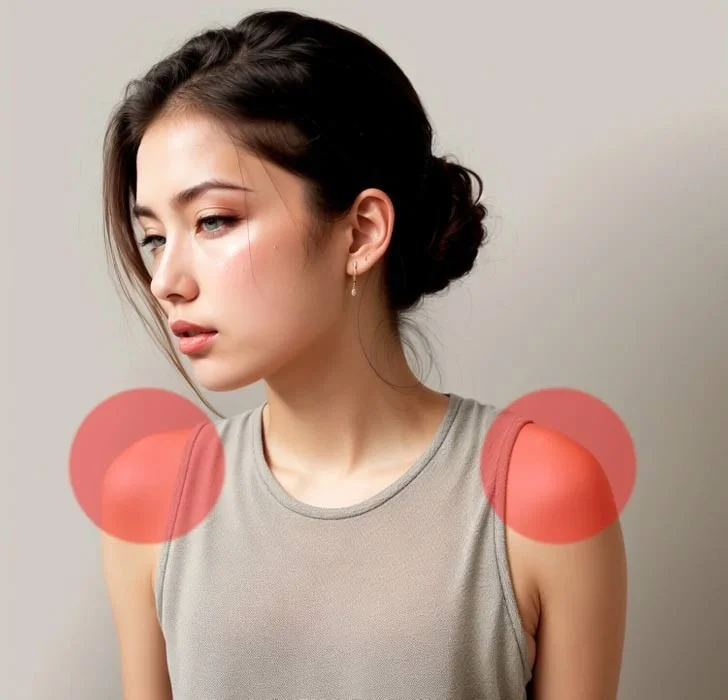
A slight shrug, even if it seems unconscious, can signal uncertainty or a lack of commitment. Experts confirm that people often make this gesture when they feel uncertain about their own statement or action. This subtle body language often complements verbal barriers such as “I guess” or “maybe,” reinforcing the impression of doubt. In some cases, it can even be seen as disrespectful, as it indicates that you are not really interested in what the other person is asking or saying.
Use a simple 2026 Halloween decorating timeline for indoor décor, outdoor displays, and fresh pumpkins, with practical adjustments for weather and events.
Mix five vivid, approachable Halloween cocktails with measured recipes, simple prep tips, and an alcohol-free option for your party guests.
Find 15 office-friendly Halloween costume ideas for 2026, with practical checks for dress codes, respectful themes, comfort, and workplace safety.
Plan a fun elementary school Halloween party with easy crafts, games, inclusive treats, costume tips, and a sample 75-minute classroom schedule.
Compare realistic side hustles for 2026 by startup cost, fees, flexibility, and income control, with current tax and scam guidance from official sources.
Upgrade your home office ergonomics with current OSHA and NIOSH guidance on chair fit, monitor height, laptop setup, lighting, and movement.
Learn why emotional intelligence matters in leadership, where it helps most, how to strengthen it, and how to tell whether your approach is working.
A practical roadmap for moving into tech without a degree: choose an accessible role, build job-ready skills, prove them with projects, and use hiring feedback to improve.
Build a credible LinkedIn personal brand in 2026 with current profile, content, newsletter, analytics, verification, and visibility guidance from LinkedIn.
Quiet quitting and quiet firing are catchy labels, not diagnoses. Learn what is verified, what depends on context, and what employees and managers can do next.








