Home
» Wiki
»
What happens if you lose your Google account?
What happens if you lose your Google account?
Losing access to your Google account can have serious consequences beyond just not being able to send and receive emails. In short, it can be devastating, which is why being prepared in advance will save you a lot of heartache.
What does it mean to lose access to your Google account?
A lot of your online activities involve your Google account, so losing access can have some serious consequences.
1. You won't be able to log in to Gmail
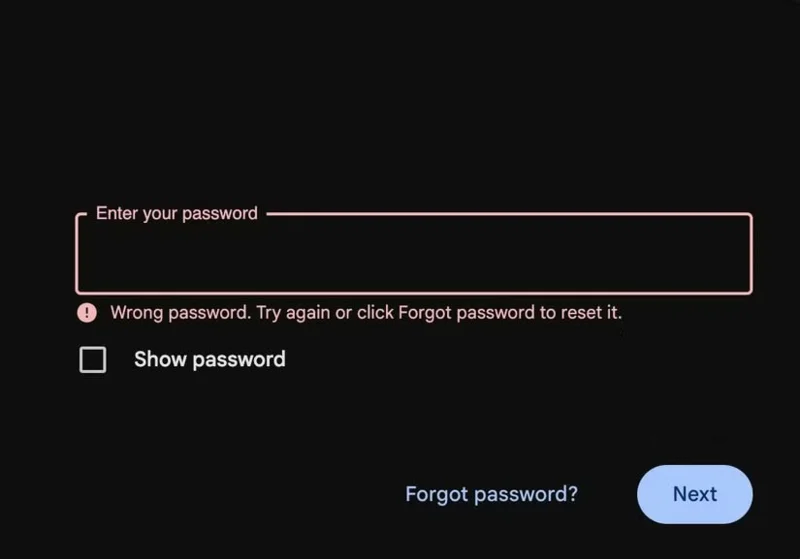
Incorrect password error message when trying to sign in to Gmail
The first thing you will notice if you get locked out of your Google account is that you will not be able to access Gmail . If you only have one primary email account (the one you are locked out of), this can cause some serious problems. This is one of the main reasons why having multiple email accounts is useful. If your only account gets locked out, having multiple email accounts so you can redirect your emails can help.
2. You won't be able to access Google services like Photos and Drive
Google Photos app on smartphone
Another consequence of being locked out of your Google account is that you won’t be able to access Google Photos, Drive, Docs, or any other Google services . While there are alternatives to most of these services, not being able to access them can be extremely inconvenient, especially if you have important photos or documents in your Google account. Unless you’ve backed up these files elsewhere, you could lose years of valuable data.
3. Third-party logins may be broken
Many people use their Google accounts to log in to third-party sites and apps because it’s convenient. But those connected logins can stop working if you lose access to your Google account. In turn, this can lock you out of important apps you rely on.
How to secure your Google account
Losing access to your Google account can quickly become a major inconvenience. When that happens, it can be really difficult to regain access to your account. That's why it's important to take preventative steps to keep your account secure.
1. Use a digital password manager
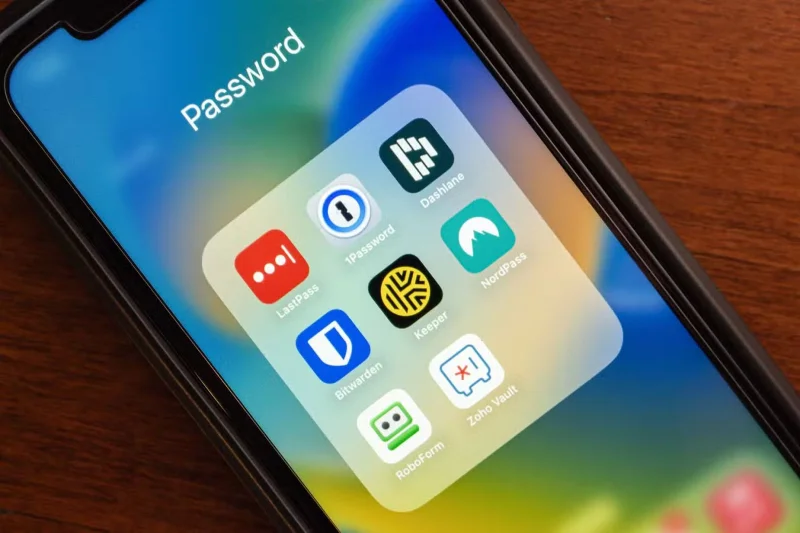
Forgetting your password is one of the most common ways people lose access to their accounts. Password managers can prevent this by securely storing and managing your login information. There are many free and paid password managers available, so finding the right password manager for you and setting it up shouldn’t be too difficult. Once set up, all you have to do is remember your master password and the password manager will take care of the rest, reducing the chances of you getting locked out of important accounts.
2. Add more recovery methods
Adding a recovery phone number or email address can help you reset your password if you accidentally forget it or get locked out of your Google account for another reason. While adding just one recovery method is usually good enough, it doesn’t hurt to have multiple options set up. For example, if you change your phone number or lose access to your old email address, having a backup means you can regain access to your account.
3. Remember old password
You may be asked to enter your old password to verify your identity in order to regain access to your Google account. If you don’t remember your old password and don’t have any recovery methods set up, it can be difficult to prove that you’re the rightful owner of the account. That’s why it’s smart to save your old password profile. If you reuse passwords, make sure to keep your old passwords in a safe place.
4. Back up your account regularly
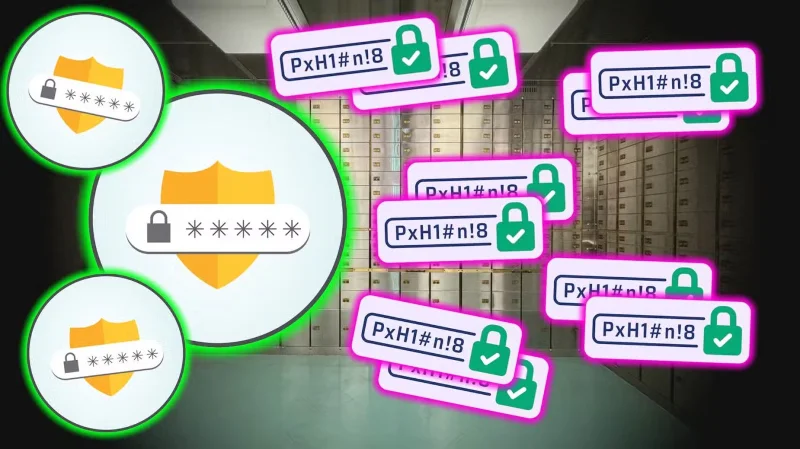
Secure with secure password
Backing up important files is helpful in case the worst happens. It's important to back up your important files, including documents, email attachments, etc., along with any important files associated with your Google account.
What to do if you lose access to your Google account?
If you've lost access to your Google account because you forgot your password or username or can't receive your verification code, there are still a few options for recovering your account. Google's account recovery process is fairly straightforward and involves answering a few questions. To make it easier for yourself, answer as many questions as you can.
Incorrect guesses won't disqualify you from the process, so don't be afraid to try a few different answers if you don't remember anything.
Also, try to use a familiar device and location throughout the process. If you typically log in from a particular computer, phone, or tablet, use the same device and browser you typically use. Don't try to recover your account from a new city or country, as this may trigger a warning.
These steps will help you avoid losing access to your Google account in the first place and restore access if you've already lost it. Once you're signed back in, update your recovery information and take other precautions to prevent this from happening again.