
When to Start Decorating for Halloween in 2026

Use a simple 2026 Halloween decorating timeline for indoor décor, outdoor displays, and fresh pumpkins, with practical adjustments for weather and events.
Since the Mi Band 5 , Xiaomi has added a PAI body index measurement feature. This is one of the features that users are most skeptical about its reliability, a system that helps us maintain a healthy life and is found in the first menus of the bracelet.
What is PAI index on Mi Band?
Xiaomi has defined the tool as a personal index of physiological activity based on various data collected by the device such as heart rate, daily activity intensity, and other personal data provided by the user. All this data is converted into a “PAI value” by a special algorithm developed by the brand, which is obtained when performing an activity of a certain physical intensity with the bracelet synchronized with the mobile device.
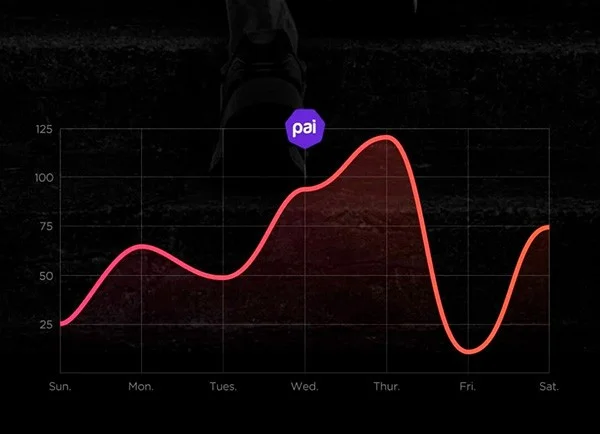
If we maintain this PAI value above 100, it will help prevent the risk of death from cardiovascular diseases and increase life expectancy.
How is the PAI score calculated?
The system displays points based on data collected from the last 7 days of activity. At the end of those 7 days, the goal is to never drop below 100 points. To get these results, you must activate the heart rate monitor and raise it by exercising, which forces the body to pump more blood. The higher and longer your heart rate is, the more PAI points you earn.
In terms of these points, the more difficult the activity, the more points you get, in addition to using heart rate, you also have other values such as age and gender. After 7 days, they expire and you should start again, encouraging you to keep up with regular activity. This is why some days you may see your points decrease.
According to Xiaomi, the easiest way to get a higher score is to run or cycle, although working out, climbing stairs, and playing with kids can also add to your score. You can earn up to 75 PAI points per day, so hitting the weekly goal of 100 points shouldn't be too difficult.
What is the function of PAI and what is it actually used for?
Xiaomi's new generation of Mi Band 5 smart bracelets has up to 50% higher measurement accuracy than other devices or previous generations of watches.
Not only has PAI been improved, it also has a calorie counter, distance traveled, step count or sleep tracking as well as a heart rate monitor.
In fact, the PAI value represents the level of physical activity. It tells you your lifestyle in terms of physical activity, habits, training and then evaluates it with the help of data. If you move or play a little sport, the bracelet will do the same to notify you when the setting is turned on.
The entire physical activity system, i.e. PAI, works on the principle of various algorithms, which also evaluate your physical activity based on an average healthy lifestyle. The smart band then tells you how you are doing or what needs to be improved.
The PAI index is also a combination of your heart rate, height, weight, gender or even your age. The monitoring takes place throughout the week, at the end of which all the collected data will form an overall report, which then gives a conclusion about all the activities and can be compared with the previous period (one week).
The PAI value will range from 0 to 125. The ideal result for a week of physical activity should be equal to or greater than 100. In this case, everything is fine and your health will not have many problems, such as cardiovascular diseases.
You don’t have to do much to reach 100 or higher. All you have to do is add a few steps each day, walk to the store or the post office, or just cycle a few times. In that case, you can get closer to 80, which is just a hair’s breadth away from 100.
How to use PAI on Mi Band
1. To calculate PAI score, open the Mi Fit app on your phone.
2. Go to Heart rate detection .
3. Enable Automatic heart rate detection .
4. On your Mi Band device, open the PAI menu .
5. Now start practicing.
6. To get points you must do heart rate increasing activities.
7. The more active you are, the more points you get.
8. On the PAI menu, see the score achieved today.
9. The information will be divided into 3 categories: low, medium and high.
To see all the data, you can use the Mi Fit app to track your workout history. It is advisable not to overdo it just to reach your target score. The Mi Band 5 and Mi Band 6 have many other sports modes that are suitable for you to stay healthy. However, if you have a habit of challenging yourself, you can use it to motivate and motivate.
Use a simple 2026 Halloween decorating timeline for indoor décor, outdoor displays, and fresh pumpkins, with practical adjustments for weather and events.
Mix five vivid, approachable Halloween cocktails with measured recipes, simple prep tips, and an alcohol-free option for your party guests.
Find 15 office-friendly Halloween costume ideas for 2026, with practical checks for dress codes, respectful themes, comfort, and workplace safety.
Plan a fun elementary school Halloween party with easy crafts, games, inclusive treats, costume tips, and a sample 75-minute classroom schedule.
Compare realistic side hustles for 2026 by startup cost, fees, flexibility, and income control, with current tax and scam guidance from official sources.
Upgrade your home office ergonomics with current OSHA and NIOSH guidance on chair fit, monitor height, laptop setup, lighting, and movement.
Learn why emotional intelligence matters in leadership, where it helps most, how to strengthen it, and how to tell whether your approach is working.
A practical roadmap for moving into tech without a degree: choose an accessible role, build job-ready skills, prove them with projects, and use hiring feedback to improve.
Build a credible LinkedIn personal brand in 2026 with current profile, content, newsletter, analytics, verification, and visibility guidance from LinkedIn.
Quiet quitting and quiet firing are catchy labels, not diagnoses. Learn what is verified, what depends on context, and what employees and managers can do next.








