Would Europe Be Drawn into a Hypothetical U.S.-Israel-Iran Nuclear War? NATO Rules Explained

A guide to NATO Articles 4 and 5, UN self-defense rules, and why consultation does not mean automatic European entry into war.
What is the normal temperature for adults ? This article will give you basic information about normal body temperature .
The human body's temperature does the work of keeping you alive, with the majority of your body's heat coming from your heart, brain, liver, and muscles. Most of the time, your temperature stays at a consistent level - although it can vary depending on your activity level and the time of day. When your body gives off more or less heat than usual, it's trying to tell you that something's going on inside.
Average temperature range
Your body's ability to regulate temperature changes as you age.
People over the age of 64 often have more difficulty adjusting to sudden drops in temperature as quickly as younger people. In general, older people have more difficulty maintaining heat. They are also more likely to have lower body temperatures.
In children, the average temperature ranges from 97.9°F to 100.2°F (36.6°C to 37.9°C) when measured rectally, which is the main recommended method until age 3.
There are 3 ways to measure core temperature:
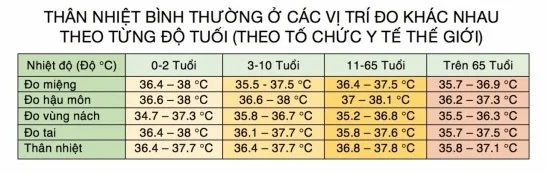
How to measure standard temperature
Body temperature should be checked using the above methods for measuring core temperature. If the child has symptoms such as fatigue, rosy cheeks, hot body, or sweating, it is also necessary to check.
For details on how to accurately measure body temperature, you can refer to the article " How to accurately measure body temperature ".
What temperature is abnormal and needs to be seen by a doctor?
When you feel tired, uncomfortable, or hot, you will see your body temperature increase. Check your body temperature and monitor your health by using an electronic thermometer because they are highly accurate and give results faster than mercury thermometers.
Cases that require medical attention due to fever include:
Children under 3 months old
Use a rectal thermometer to measure your child's body temperature. If the rectal temperature is 38 degrees Celsius or higher, take your child to see a doctor immediately.
Children under 4 years old
For children under 4 years old, you can use a thermometer under the armpit to measure body temperature. If the temperature is 37.2 degrees Celsius or higher, it is considered a fever.
Cases of high fever need to see a doctor:
Children over 4 years old
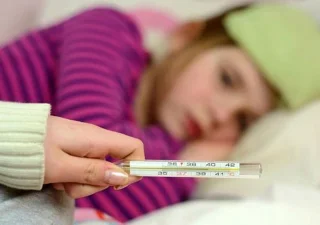
For children over 4 years old, measuring the temperature by mouth will be the most accurate. If the child's oral temperature is 37.8 degrees Celsius or higher, it is a fever. You should see a doctor if the child's body temperature is high, 38.9 degrees, accompanied by discomfort, lasting more than 3 days or not responding to medication.
Adult
If an adult has a continuous fever of 39.4 degrees Celsius or a continuous fever for 3 days that does not respond to medication, they should see a doctor immediately.
Note: When you go for a checkup, tell your doctor about your abnormal body temperature and where it was taken, in the mouth, rectum, armpit, or ear.
Some factors that affect body temperature
Age : Children's body temperature is usually higher than adults' because their thermoregulatory center is not yet fully developed. Therefore, children are susceptible to high fever, sometimes accompanied by convulsions if there is any change in the body. Elderly people often have lower body temperature than young people due to poor mobility, low metabolic and absorption needs.
When the body is active, temperature will increase.
Endocrine : Women's body temperature, especially during ovulation, is usually higher than men's.
Stress can also cause body temperature to rise or fall.
Environmental temperature has an impact on human body temperature, especially in the elderly and children, but the change is not much, about 0.5°C.
Some medications also affect the body's ability to sweat, causing vasodilation.
Time to measure body temperature: Usually in the morning, body temperature is lowest and highest after 6 pm. During 1 day, body temperature changes from 0.5°C to 1°C.
The location where body temperature is measured (forehead, ear, rectum, armpit…) may give different results.
How to reduce fever quickly at home
In any case, if you feel tired, uncomfortable and uncertain about the cause of the fever. It is best to contact or see a doctor for advice, accurate diagnosis, and effective ways to reduce fever.
Frequently Asked Questions About Normal Body Temperature
What is the normal eardrum temperature range for adults?
The normal tympanic membrane (ear) temperature range for adults is between 37 degrees C and 38 degrees C.
What is the normal temperature for a toddler?
The normal temperature for toddlers aged 1 to 3 years is between 37 degrees and 37.5 degrees Celsius, if you take their temperature with an oral thermometer.
What is the normal body temperature of a newborn baby?
A newborn's normal body temperature is above 37 degrees Celsius and below 38 degrees Celsius. If your newborn falls outside that range, take him or her to see a doctor immediately.
A guide to NATO Articles 4 and 5, UN self-defense rules, and why consultation does not mean automatic European entry into war.
Assess claims about Iran in six steps, distinguishing uranium enrichment, weapons development and verified possession.
Understand nuclear decision authority in six steps, including US civilian control and the limits of public information about Israel.
A guide to official 2026 evidence on Hormuz shipping disruption, Iran-related claims, confirmed incidents, and what remains uncertain.
A source-based guide to nuclear escalation risks, UN Charter rules and NATO Article 5 in a strictly hypothetical Iran scenario.
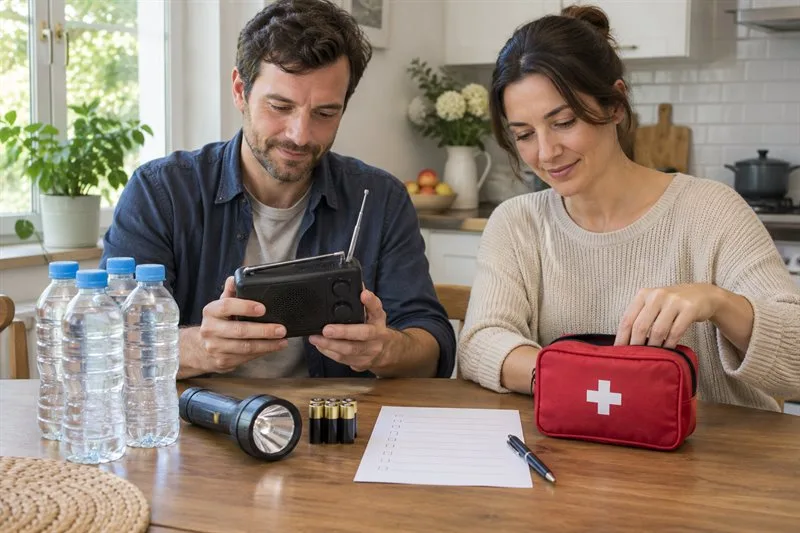
Use five steps to prepare for an outage; nuclear and EMP scenarios are hypothetical, and official shelter instructions come first.
Use 5 defensive steps to verify a cyber disruption, protect household accounts, and avoid mistaking an outage for war.
Use these 5 steps to assess climate effects from a hypothetical Iran strike, compare model assumptions, and avoid unsupported predictions.
Explore six steps for reading research on climate, food and ecosystem recovery after a hypothetical nuclear conflict.
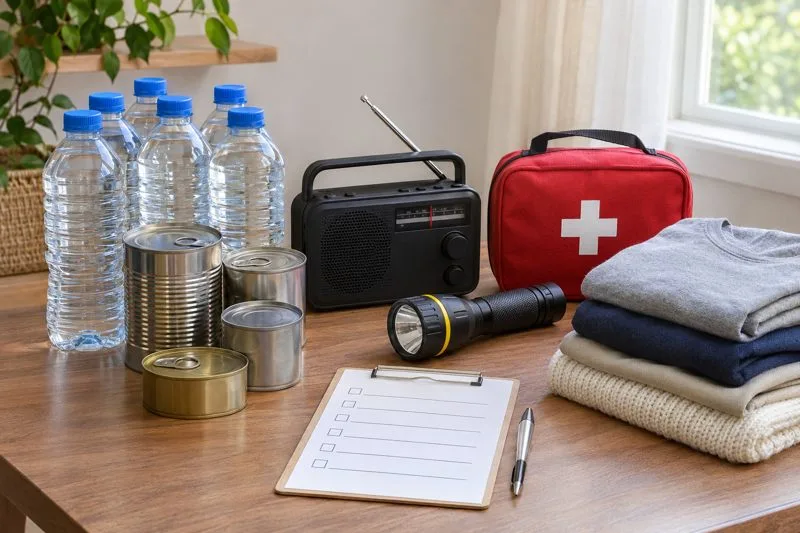
Build a practical fallout preparedness kit in six steps, with sealed food and water, a radio, medical supplies and shelter guidance.