Spooky but Sweet: Halloween Party Ideas for Elementary Schools

Plan a fun elementary school Halloween party with easy crafts, games, inclusive treats, costume tips, and a sample 75-minute classroom schedule.
WhatsApp is one of the most popular messaging and communication platforms you can use. So to help keep users safe, Meta has been constantly introducing security and privacy features to the app – and there are even more on the way.
What happens in WhatsApp, stays in WhatsApp
Meta already offers end-to-end encryption to WhatsApp users, ensuring that only the sender and recipient can see their messages. However, there may be times when a sender doesn't fully trust the recipient - so for those cases, WhatsApp is introducing a new privacy feature called Advanced Chat Privacy . This setting can be enabled in both individual and group chats, ensuring that what's sent stays in that thread. This means that users can't export, automatically download media, or use AI features for chats that have it enabled.
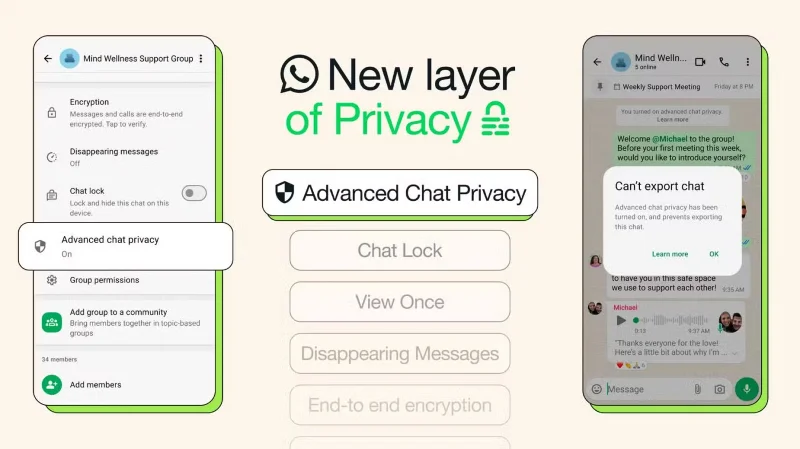
You can enable this feature by tapping the name of the chat and selecting Advanced chat privacy . When this feature is enabled, it will be more difficult for people in the chat to share information sent in it. WhatsApp says you should enable this privacy feature when chatting with a group where you may not know everyone well. It's also useful if you're planning a surprise event and want to make sure details of that event don't leak outside the group.
You should also use Advanced Chat Privacy if you share sensitive information over WhatsApp with someone you trust. For example, if you send a photo of your passport or social security number to someone important. While you may trust them, you don’t want that information to be exposed if their phone is stolen or compromised in some way. These features are some of the reasons people prefer WhatsApp over other messaging apps.
The security and privacy features you need most
Advanced Chat Privacy is great for protecting your information, but WhatsApp also has a few other features you should use to further protect your privacy. For example, if you're sharing private information — like your mother's maiden name — you can enable self-destructing messages so you don't have to manually delete them when the recipient no longer needs them.
It's also harder for unauthorized users to access your WhatsApp account when you enable two-factor authentication on it. That way, even if someone compromises your mobile number, they still can't get in unless they know the PIN you set on the app. To enable this feature, go to Settings > Account > Two-step verification . Tap Turn on and the app will ask you to enter and confirm a 6-digit PIN. Once you're done, your account will be more secure from intruders.
Finally, you can secure the app itself on your phone, so even if someone steals your phone or somehow gains physical access to it, they’ll still need your biometric information to open WhatsApp. To enable this, go to Settings > Privacy > App lock , then turn on Require Face ID (or Touch ID) for iPhone or Unlock with biometric for Android.
Plan a fun elementary school Halloween party with easy crafts, games, inclusive treats, costume tips, and a sample 75-minute classroom schedule.
Compare realistic side hustles for 2026 by startup cost, fees, flexibility, and income control, with current tax and scam guidance from official sources.
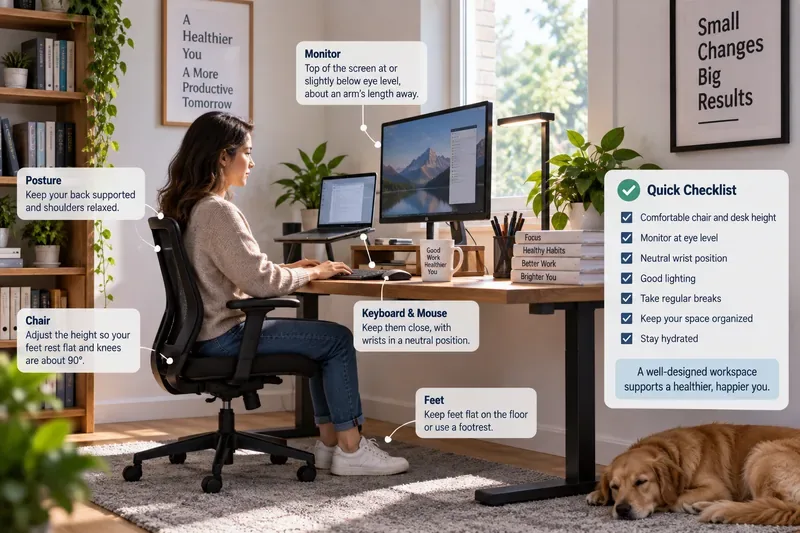
Upgrade your home office ergonomics with current OSHA and NIOSH guidance on chair fit, monitor height, laptop setup, lighting, and movement.
Learn why emotional intelligence matters in leadership, where it helps most, how to strengthen it, and how to tell whether your approach is working.
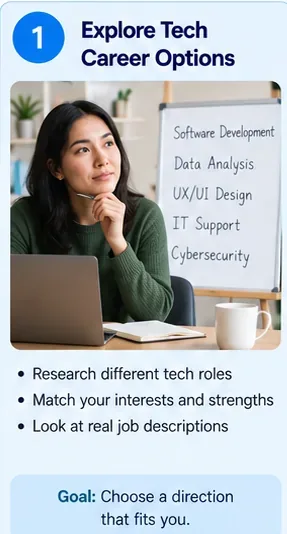
A practical roadmap for moving into tech without a degree: choose an accessible role, build job-ready skills, prove them with projects, and use hiring feedback to improve.
Build a credible LinkedIn personal brand in 2026 with current profile, content, newsletter, analytics, verification, and visibility guidance from LinkedIn.
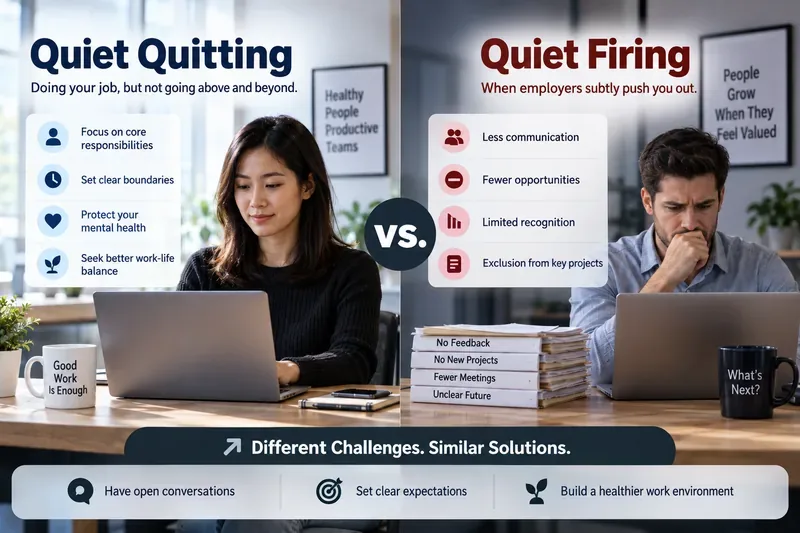
Quiet quitting and quiet firing are catchy labels, not diagnoses. Learn what is verified, what depends on context, and what employees and managers can do next.
Fractional executives offer senior leadership without a full-time hire. Learn when the model works, what to ask, and the risks to manage.
Prepare a stronger Q4 raise request with current wage data, timing options, compensation tradeoffs, and scripts for yes, partial, or no outcomes.
Choose a high-income skill you can realistically start before 2026 ends, with current pay data, learning priorities, and a practical self-check.