How to Update Google Chrome Browser

Learn how to update Google Chrome browser on Windows, Mac, and Android in minutes to enjoy better security, speed, and new features. Follow these clear steps.
Have you ever gotten a call from someone you didn't want to talk to at the moment, stared at the screen and wondered why the Decline button always disappeared at the worst possible moment? Don't worry, your iPhone isn't biased or forcing you to answer a call you've been avoiding!
iPhone has two ways to answer a call
While there are always memes joking about how Apple sometimes lets you decline calls and sometimes forces you to talk, Apple intentionally designed two different interfaces for the iPhone's incoming call screen.
When you get a call on your iPhone (or even iPad), you’ll see Decline and Accept buttons or a slider to answer. On the first screen, you can press any button to perform the desired action. When you see the slider, just drag it to the right to accept the call.
Many people think that the slider is Apple's way of forcing you to answer a call you want to ignore, but that's not the case. The screen you get when you receive a call depends on whether your iPhone is locked or unlocked.
It's easy to accidentally press the Accept or Decline button, especially if your iPhone is in your back pocket! So to avoid accidentally picking up or declining a call, you'll only see the slide to answer screen when your device is locked.
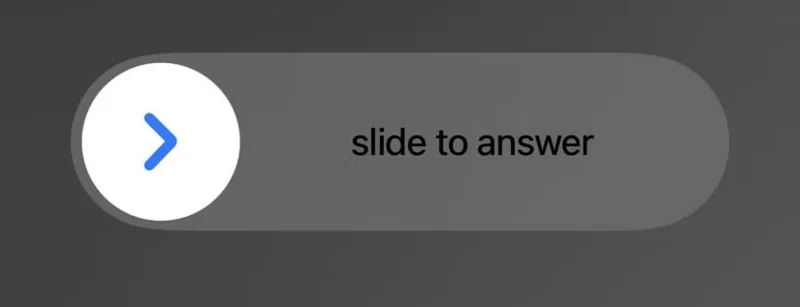
Even if you have Touch ID or Face ID enabled on your iPhone, as long as you're on the lock screen, you'll see the slider until you unlock your device and start using it. This makes it nearly impossible to accidentally accept or decline an incoming call.
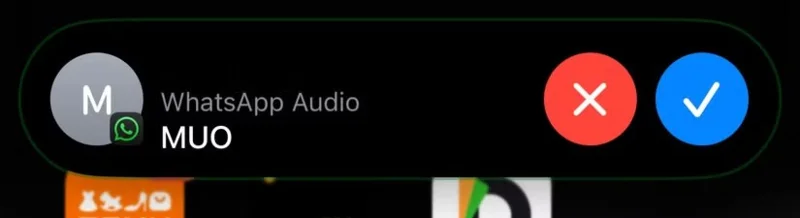
On the other hand, when you're using your iPhone, you'll see options to accept or decline the call. Depending on the options you've set in Settings > Apps > Phone > Incoming Calls , you'll either see a Banner or the call will take up the entire screen ( Full Screen ).
With the former option, incoming calls will initially appear as a small notification at the top of the screen, with a red X and a blue check mark. When you tap on the call notification, it will expand to a full-screen page, where you'll see Accept and Decline buttons .
You can still reject any call!
As we’ve seen, the slide-to-answer interface that appears when your iPhone is locked isn’t meant to force you to answer; it’s intentionally designed to prevent accidental answer or decline of calls. Since this screen only shows the slide to accept the call, many people assume there’s no way to decline the call and let the phone ring until it stops automatically.
Luckily, you can mute or decline an incoming call even in this situation. To mute the call, just press the side button or either volume button on your iPhone. To decline the call, quickly press the side button twice. That’s it! Depending on where you are, declining the call will either send it straight to voicemail or disconnect it immediately.
Even if you've been a long-time Apple ecosystem user, it can be frustrating at times when you can't easily decline a call, especially when someone calls while you're sound asleep! Although not receiving incoming calls on your iPhone can be even worse.
Learn how to update Google Chrome browser on Windows, Mac, and Android in minutes to enjoy better security, speed, and new features. Follow these clear steps.
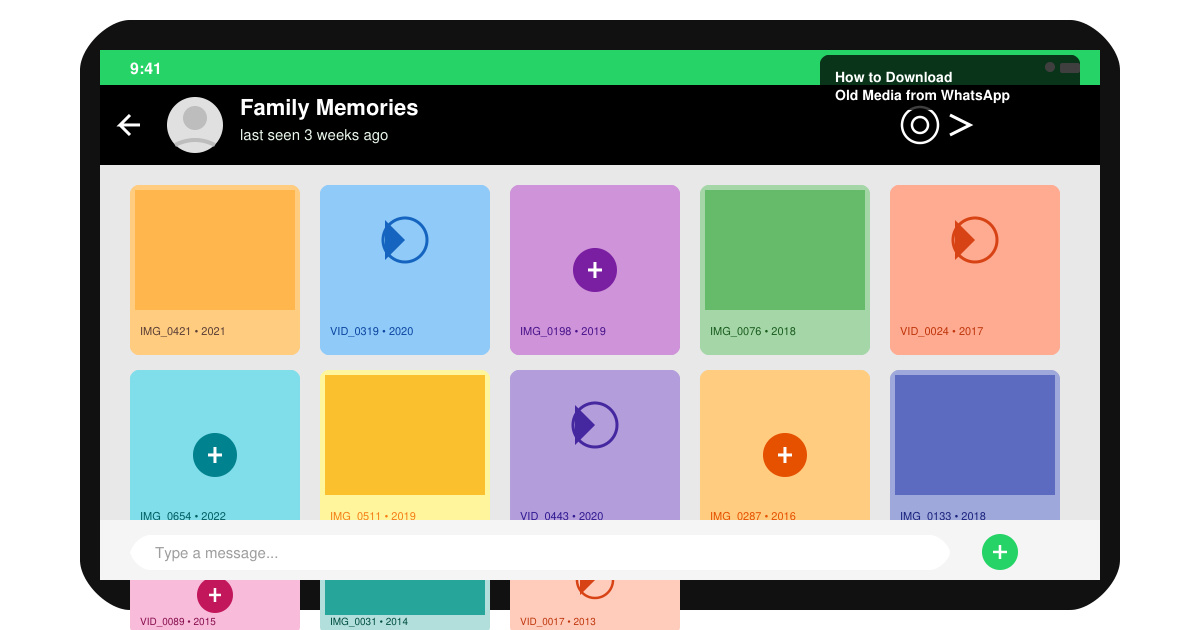
Learn how to download old media from WhatsApp and recover photos or videos from past chats. Follow these clear steps to save files that no longer appear in your gallery.
Facebook Messenger Isn T Working on your device? Use these exact troubleshooting steps to restore chats, calls, and notifications fast on Android, iOS, or desktop.
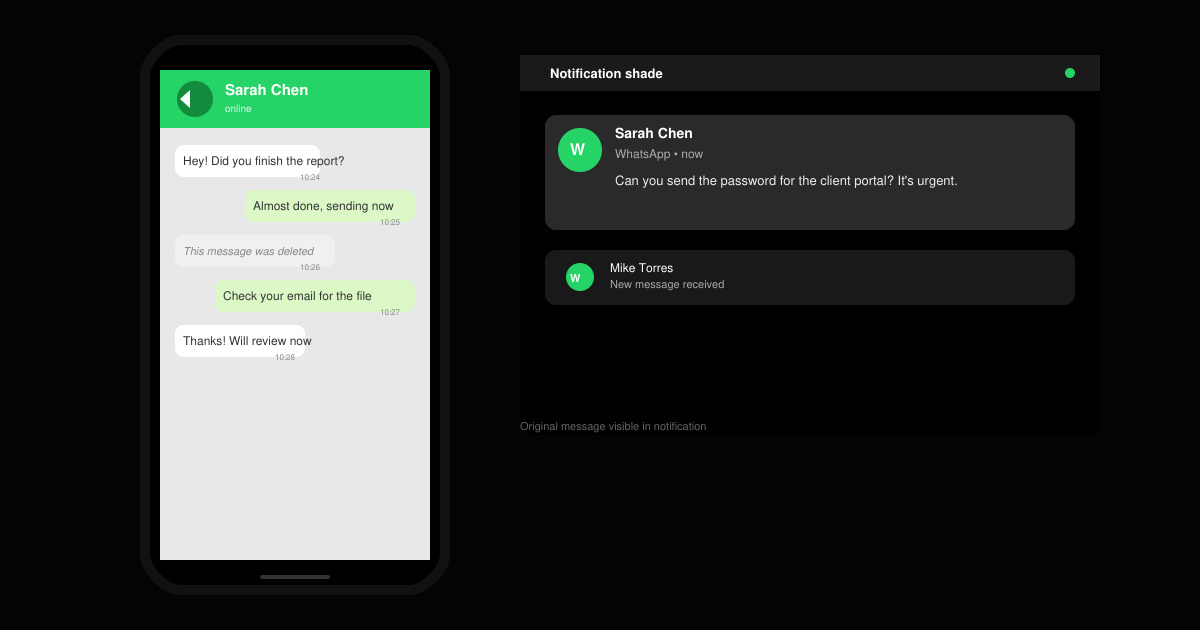
How to See Deleted WhatsApp Messages using your phone's built-in tools. Follow these exact steps to recover messages that contacts have deleted from chats.
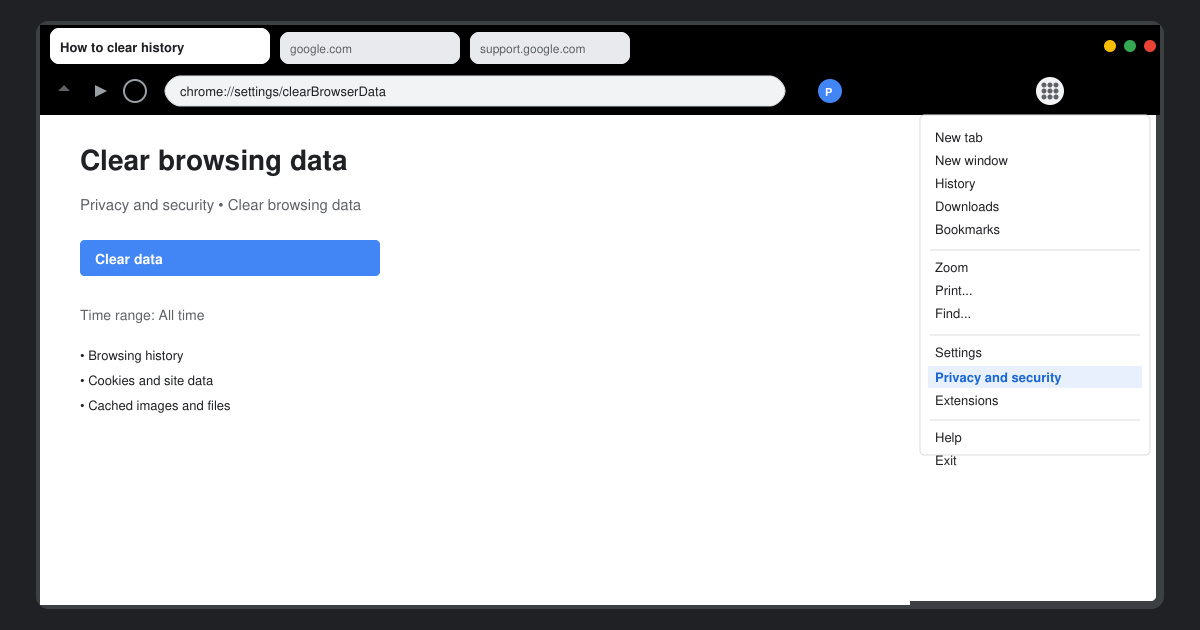
Learn how to clear browser history in Chrome on desktop and Android with this exact step-by-step process. Keep your browsing private and free up storage space quickly.
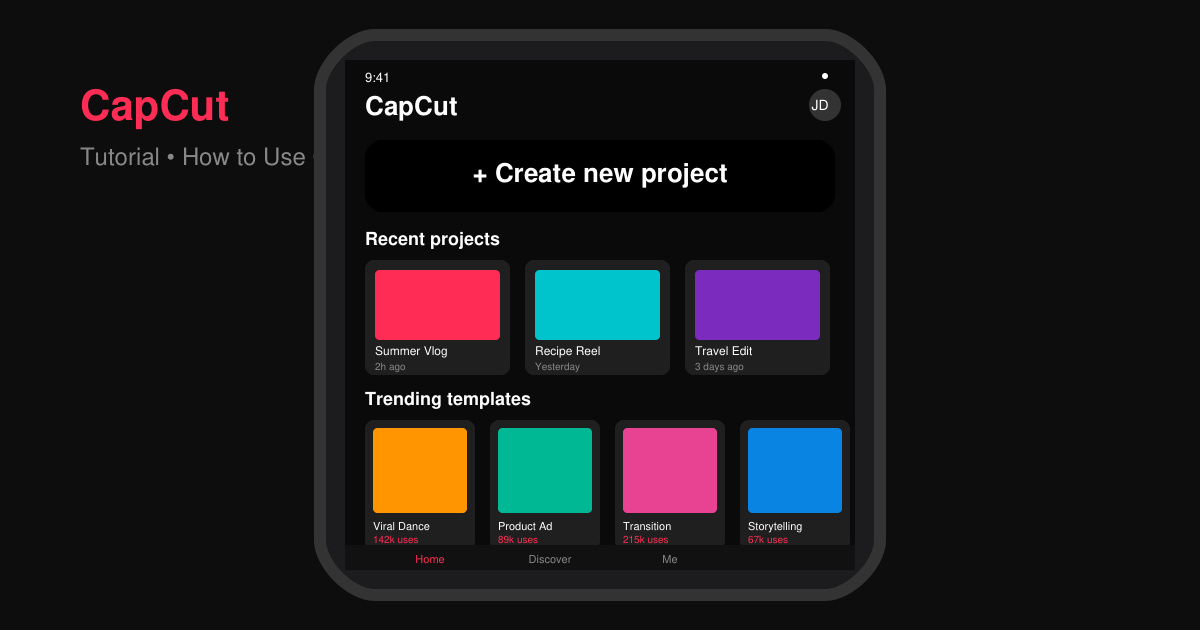
Master how to use CapCut with this practical walkthrough covering project setup, editing tools, effects, and export options for high-quality video results.
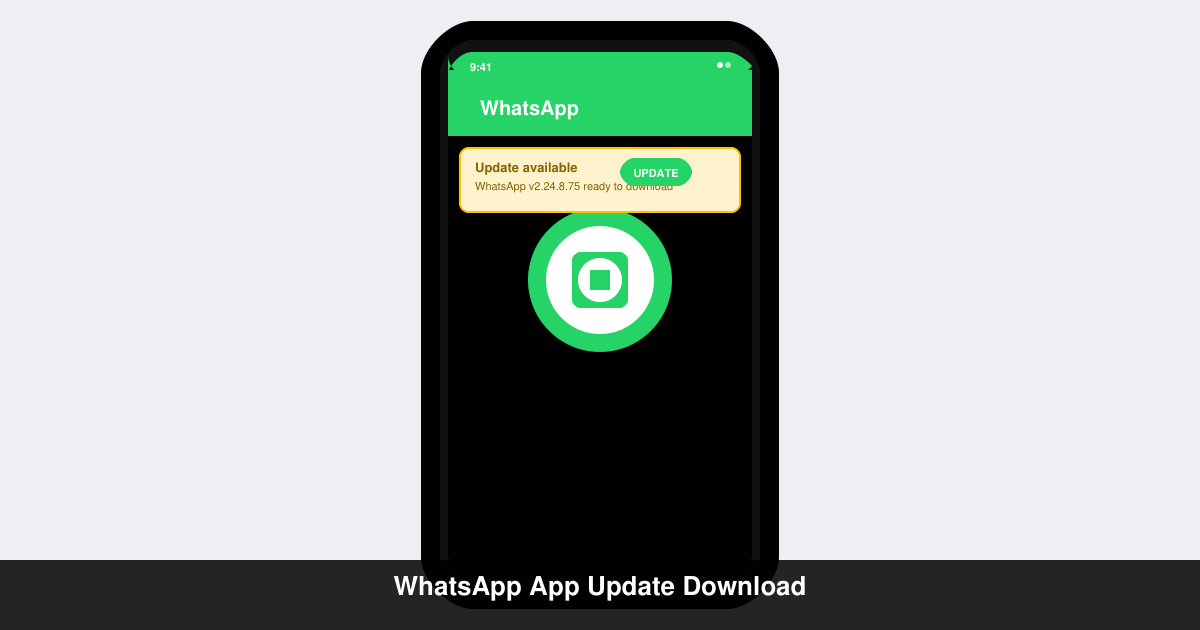
Get the latest WhatsApp App Update Download from official sources to access new features and security improvements. Follow these clear steps for Android and iOS devices.
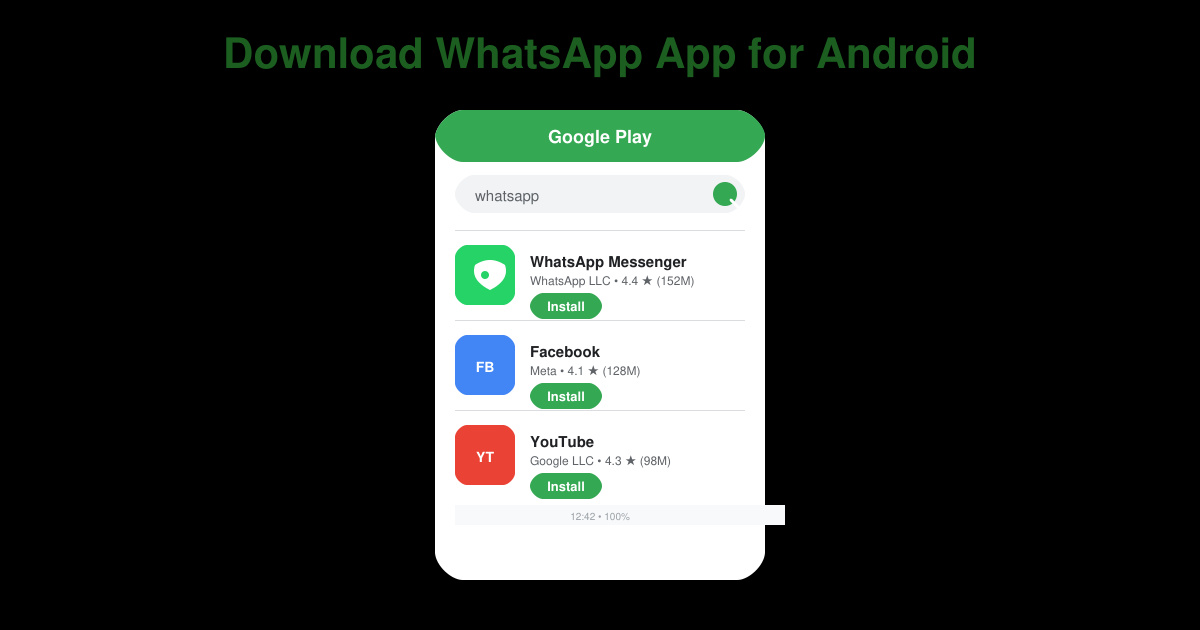
Learn how to safely Download WhatsApp App for Android from the official Google Play Store. Follow our clear step-by-step instructions to install the latest version quickly and securely.
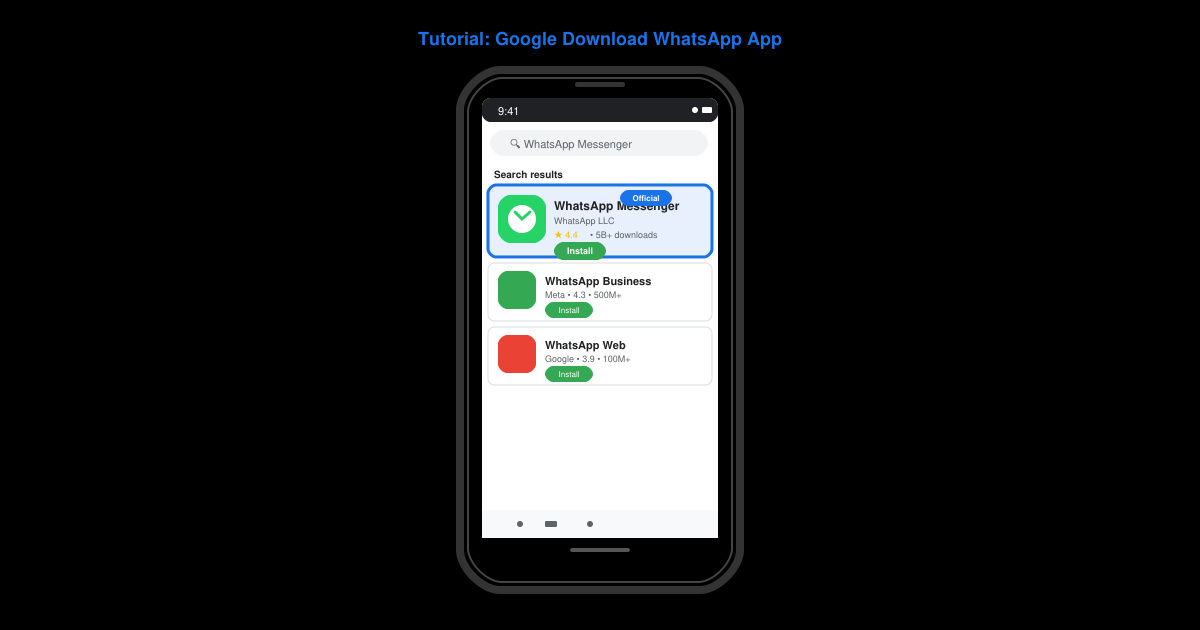
Google Download WhatsApp App safely through the Google Play Store with this clear guide. Get the official version on your Android device quickly and avoid fake downloads.
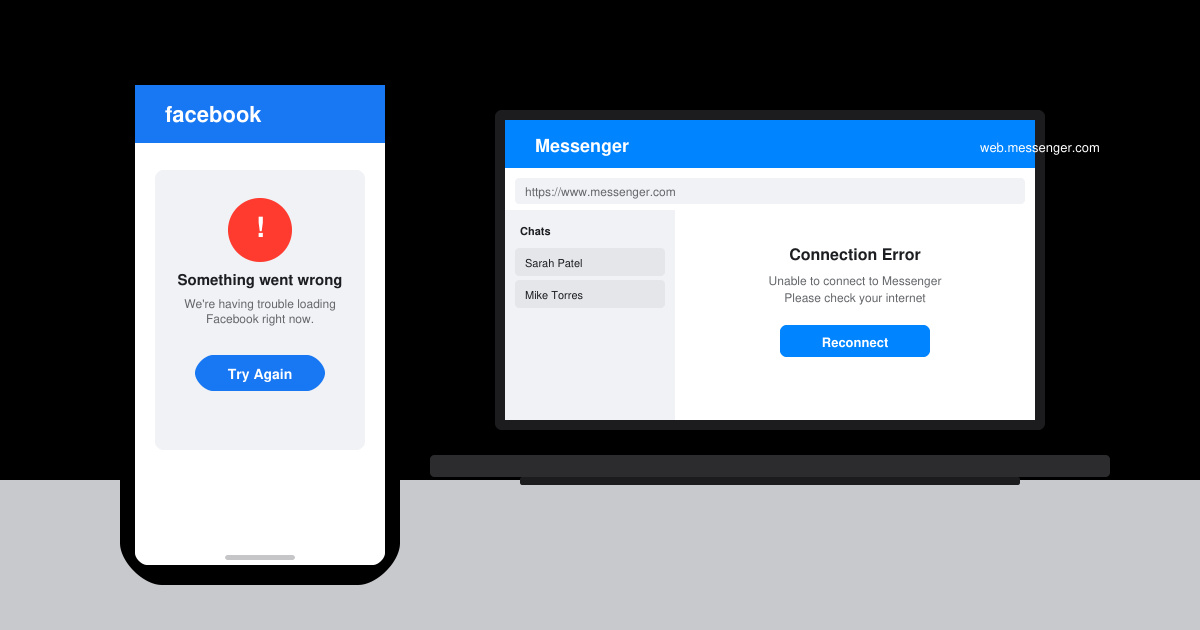
Facebook and Messenger not working can disrupt your day. Follow these targeted fixes to restore access quickly on mobile and desktop.