When to Start Decorating for Halloween in 2026

Use a simple 2026 Halloween decorating timeline for indoor décor, outdoor displays, and fresh pumpkins, with practical adjustments for weather and events.
Every time you download a new app, you should check the permissions it requests. Many apps do need certain access to specific features, like your location, contacts, etc., but some apps go beyond that.
Taking a moment to review your app permissions can save you a lot of privacy and security problems later on!
App permissions can be a privacy nightmare
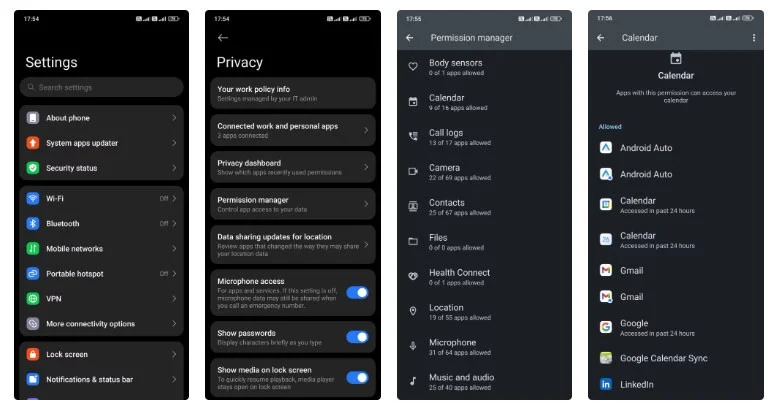
Essentially, app permissions are requests for access to different parts of your device — camera, microphone, location, contacts, etc. While they may seem harmless, these permissions can be a way to access personal data if you're not careful or don't know how Android app permissions work.
There are flashlight apps that ask for access to your contacts, and photo gallery apps that want your exact location. It’s completely ridiculous, but many of us blindly accept it without a second thought. This kind of carelessness is exactly what some developers are counting on.
The truth is, many apps ask for more permissions than they actually need to function. A simple weather app might need your location, but does it really need access to your call history? The answer is a resounding no. When apps gain unnecessary access to your personal information, they can collect data that can be sold to advertisers or, worse, potentially used for identity theft.
What’s frustrating is that some developers deliberately design apps to collect as much user data as possible, not just to improve the experience but also to monetize your information. Many people have uninstalled some apps after discovering that they collect data that is completely unrelated to their core function.
The risks extend beyond privacy concerns. Excessive permissions can drain your battery, use up your data limit, or compromise your device’s security. So being vigilant about app permissions isn’t just good practice; it’s critical.
How to check app permissions before installing
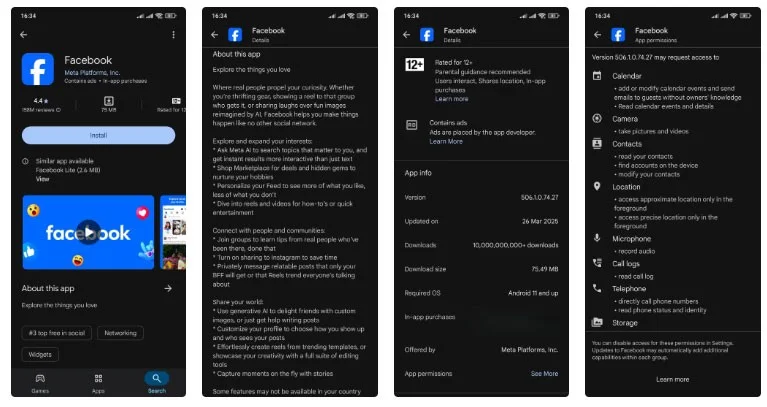
Get into the habit of checking apps before you install them and you’ll save yourself a lot of privacy trouble. Checking permissions only takes a minute, but it could save you months of unwanted data collection. Here’s the process for Google Play, but you can adapt it for other app stores.
If you're unsure of the process, check out our guide on how to download and update apps on Android for more instructions.
If you’re on iOS, the App Store works a little differently, but the concept is the same—always check what you’re agreeing to before you hit install. Apple’s app ecosystem is generally more secure than Android’s, though. Still, you should check app permissions on your iPhone and iPad.
When looking at permissions, you should immediately be suspicious of any app that asks for access to features that are completely unrelated to the app's function. Any app that wants access to SMS messages, call logs, or precise location should make you stop and think twice - unless there's a clear reason why the app needs this information.
Storage and camera access are generally safer, especially if the app's purpose requires them. However, always consider whether an app needs persistent access or just grants it when it needs it.
How to manage permissions for installed apps
Installing apps with the right permissions is only half the battle. Many apps sneakily ask for additional permissions after an update. For example, a game that initially only needed access to storage might suddenly want access to your location and contacts after an update. That’s why it’s important to regularly check the permissions of installed apps.
Set a semi-annual reminder to check what permissions your apps currently have. Here's a step-by-step process for Android devices:
For iPhone users, the process is similar—just go to Settings > Privacy & Security , then select each permission type to see which apps have access.
It's most effective to switch permissions from "Allow all the time" to "Allow only while using the app" whenever possible. Location tracking is especially important to limit, as some apps track movement in the background for no good reason.
The safest approach is to be very selective. The “Ask every time” option is available for some sensitive permissions like camera and microphone access. Yes, that means tapping through an extra prompt every now and then, but it prevents any app from accessing your camera without your knowledge. Taking a few steps to secure your phone usage will give you peace of mind without much inconvenience.
Eventually, you'll develop an instinct for what permissions make sense. Taking just a few extra seconds to consider permissions before hitting install can save you from becoming an unwitting data point in someone else's profit model.
Use a simple 2026 Halloween decorating timeline for indoor décor, outdoor displays, and fresh pumpkins, with practical adjustments for weather and events.
Mix five vivid, approachable Halloween cocktails with measured recipes, simple prep tips, and an alcohol-free option for your party guests.
Find 15 office-friendly Halloween costume ideas for 2026, with practical checks for dress codes, respectful themes, comfort, and workplace safety.
Plan a fun elementary school Halloween party with easy crafts, games, inclusive treats, costume tips, and a sample 75-minute classroom schedule.
Compare realistic side hustles for 2026 by startup cost, fees, flexibility, and income control, with current tax and scam guidance from official sources.
Upgrade your home office ergonomics with current OSHA and NIOSH guidance on chair fit, monitor height, laptop setup, lighting, and movement.
Learn why emotional intelligence matters in leadership, where it helps most, how to strengthen it, and how to tell whether your approach is working.
A practical roadmap for moving into tech without a degree: choose an accessible role, build job-ready skills, prove them with projects, and use hiring feedback to improve.
Build a credible LinkedIn personal brand in 2026 with current profile, content, newsletter, analytics, verification, and visibility guidance from LinkedIn.
Quiet quitting and quiet firing are catchy labels, not diagnoses. Learn what is verified, what depends on context, and what employees and managers can do next.








