Home
» Wiki
»
Why should you have multiple phone cases?
Why should you have multiple phone cases?
Phones are a staple in everyone’s lives these days, so protecting that precious device is important. That’s why, over the years, many people have amassed a collection of phone cases. And for good reason.
1. Changing your phone case can keep your device looking new
Changing your phone case regularly can help keep your device looking fresh. Just like rearranging your furniture, making simple changes to what you see every day can make things more interesting.
As humans, we are drawn to novelty and new experiences. But once we get used to something, that initial excitement quickly wears off. By changing your case regularly, you create little moments of difference that can help alleviate the boredom with your phone.
Phones are a breeding ground for bacteria, so changing your case also encourages you to clean your device more often. This helps ensure that bacteria doesn't build up over time and keeps your phone clean.
2. One phone case cannot meet all needs
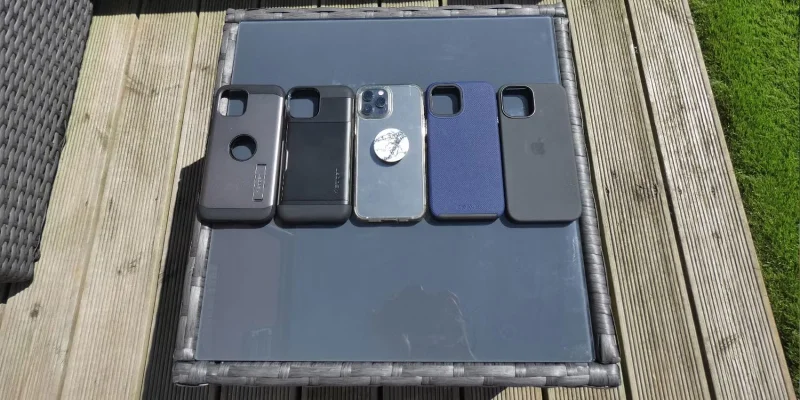
Everyone’s daily life is filled with different activities that require changing phone cases. You might start your day with a professional meeting, where you should have a slim, minimalist, sleek case that goes well with your office attire and fits easily in your pocket. But then, when you hit the gym for an intense workout or some outdoor activity, you should switch to a case that is more drop-resistant to prevent accidents.
If you’re running to the store, a case with a built-in card slot is perfect. But if you’re using your phone for extended periods of time, a case with a pop socket or ring holder will help with ergonomics. However, these types of cases may not be as useful if you need to mount your phone in your car.
The environments you wear your phone in also vary greatly. Obviously, a waterproof case is a must for days at the beach or doing water sports. But for everyday use, it’s overkill because it’s bigger and bulkier than it needs to be. The same goes for cases that are designed to keep your phone cooler, which are great if you live in a hot place or use apps that really heat up your phone, but not as important in cooler places.
3. Regular changes can prolong the life of each case
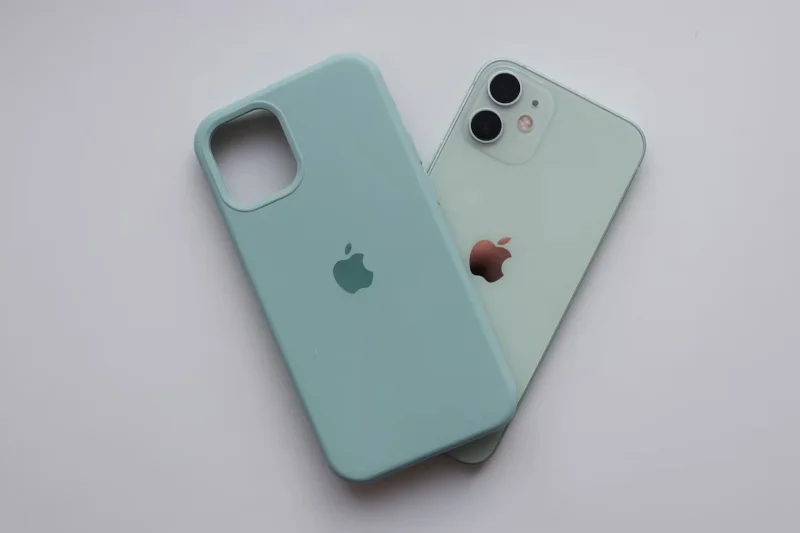
If you use the same phone case all the time, it will start to show signs of wear in the same places. The corners and back get slightly scratched from being placed on a surface, and the edges can fray or start to peel from constant use. Silicone cases also tend to loosen up a bit over time. But if you switch out a few different cases, this process slows down and helps them last longer.
Another benefit of changing out your phone case is that each case is only exposed to certain environmental factors, such as sunlight, humidity, and temperature. By changing out your case, no single case is constantly exposed to these factors, which can cause the color to fade due to UV rays or the material to deteriorate due to humidity over time.
4. Increase the resale value of your phone
Whenever you have to sell a phone, you want to show that you have taken good care of it. From a seller's perspective, offering a variety of case options for your phone will help your device stand out from the crowd. Buyers can see that you care about keeping your phone safe from scratches or drops.
Not only does this give the impression that the device has been well cared for, it also rewards anyone who buys it. They aren’t just buying a used phone; they’re getting some styling options right out of the box to customize the device to their liking.
From extending the life of your phone to increasing its resale value, there are many reasons why you should replace your phone case regularly. And with so many different types of cases on the market, you can find one that meets the needs of different situations and environments.