How to Update Google Chrome Browser

Learn how to update Google Chrome browser on Windows, Mac, and Android in minutes to enjoy better security, speed, and new features. Follow these clear steps.
Whenever people think about switching to Android, they feel stuck. Something about the decision-making process keeps them coming back to Apple. It's not about the specs or the ecosystem, it's about how difficult it is to buy a new smartphone.
The dilemma of finding the "best phone"
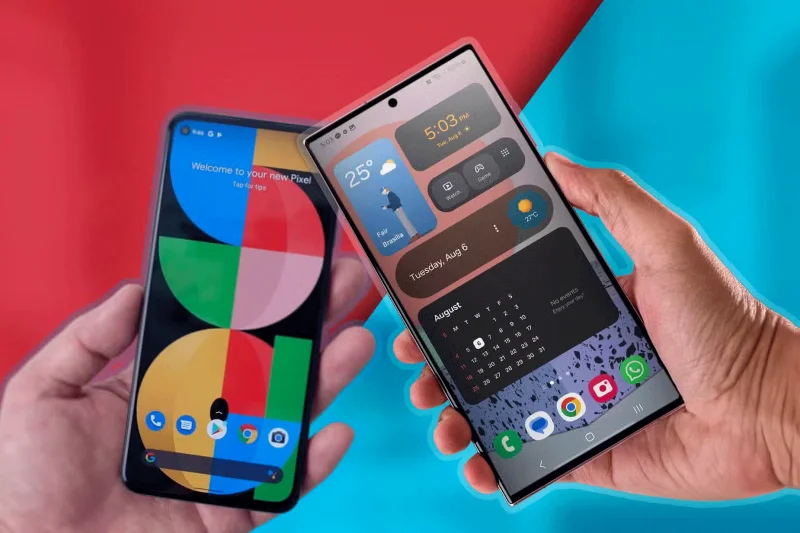
Choosing a smartphone should be fun, not exhausting. With Apple, the decision is easy. Every year, there’s a clear lineup: the standard model, the Pro, and maybe a Pro Max or Plus. The new release is always the best Apple has to offer, and the choice comes down to screen size, battery life, or camera specs.
Android, however, is a different story. There’s no “best” phone in any given year. Take Samsung, for example. Its Galaxy S line is the frontrunner, but the company also offers the more expensive Galaxy Z Fold. Then there’s Google’s Pixel line, which is known for its stock Android experience. On top of that, brands like OnePlus and Xiaomi push the envelope with insane charging speeds and aggressive pricing strategies that make them hard to ignore.
Each of these phones has something unique to offer, which is great on paper. But deciding which one is right for you becomes difficult when every release claims to be the “perfect” phone. Plus, these flagship phones don’t come out at the same time. Samsung typically releases its Galaxy S series models in January or February, while Google waits until the fall for its latest Pixel phones.
This phased release schedule adds another layer of uncertainty. Should you buy what’s available now or wait for the next big thing? The sheer number of options, combined with a constant stream of new products, creates a constant sense of FOMO (fear of missing out). And let’s be honest: Who wants to feel regret after spending thousands of dollars on a new phone?
How does Apple make buying an iPhone easier?
One of the things Apple does better than Android manufacturers is simplicity. Every year, you know what to expect: A standard iPhone, a Pro model, and a larger version of each. That's it!
Apple’s consistency extends beyond the name. All of its devices run the same iOS software, receive updates at the same time, and work seamlessly within the Apple ecosystem. You can buy an iPhone with confidence, knowing you’ll get the same core experience whether you spend money on the Pro or stick with the standard model.
Even the timing is predictable. September rolls around and Apple announces its flagship iPhone lineup. There’s no need to wonder if you’re too early or waiting too long—it’s the same time every year. That clarity makes choosing an iPhone easier.
What about Android? Even if you like a phone for its hardware, you often wonder whether it will get timely updates or how long it will last. Apple removes that uncertainty, and for someone who doesn’t want to spend weeks agonizing over specs and features, that’s invaluable.
Analysis Paralysis When Choosing an Android Phone
Having a lot of choices is great — until it's not. Psychology even has a term for it: Analysis paralysis. This happens when you have so many choices that you struggle to make any decisions. And Android is a prime example of this problem.
Should you choose the one with the better camera or the bigger battery? Is a brighter screen more important than faster charging? And just when you think you've narrowed down your choices, another contender comes along and makes you rethink everything.
Apple avoids this trap entirely. It doesn’t give you a myriad of options to consider. Instead, Apple says: Here are the new iPhones. Pick a size, pick a price, and live your life. This simplicity is refreshing, and frankly, it saves a lot of time and mental energy.
The irony is that variety is supposed to be one of Android makers' greatest strengths. But for those who crave clarity rather than complexity, the endless choice feels more like a burden than a benefit.
So while Android phones can offer innovation and variety, sometimes too much choice can be a downside. And that's why many people will probably never buy an Android phone.
Learn how to update Google Chrome browser on Windows, Mac, and Android in minutes to enjoy better security, speed, and new features. Follow these clear steps.
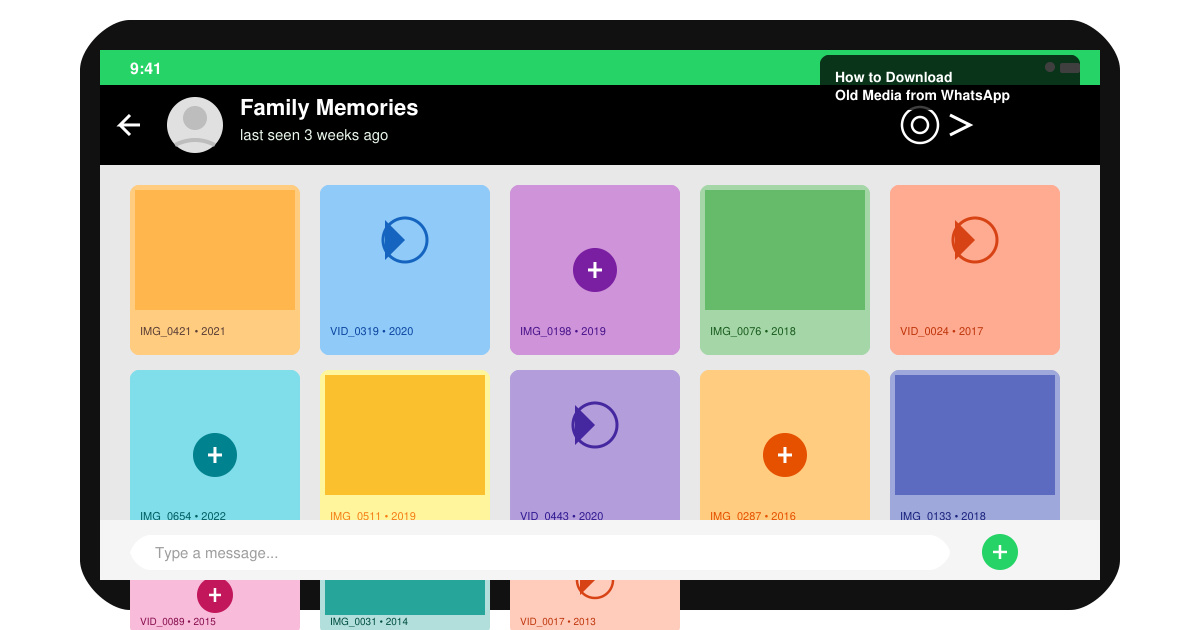
Learn how to download old media from WhatsApp and recover photos or videos from past chats. Follow these clear steps to save files that no longer appear in your gallery.
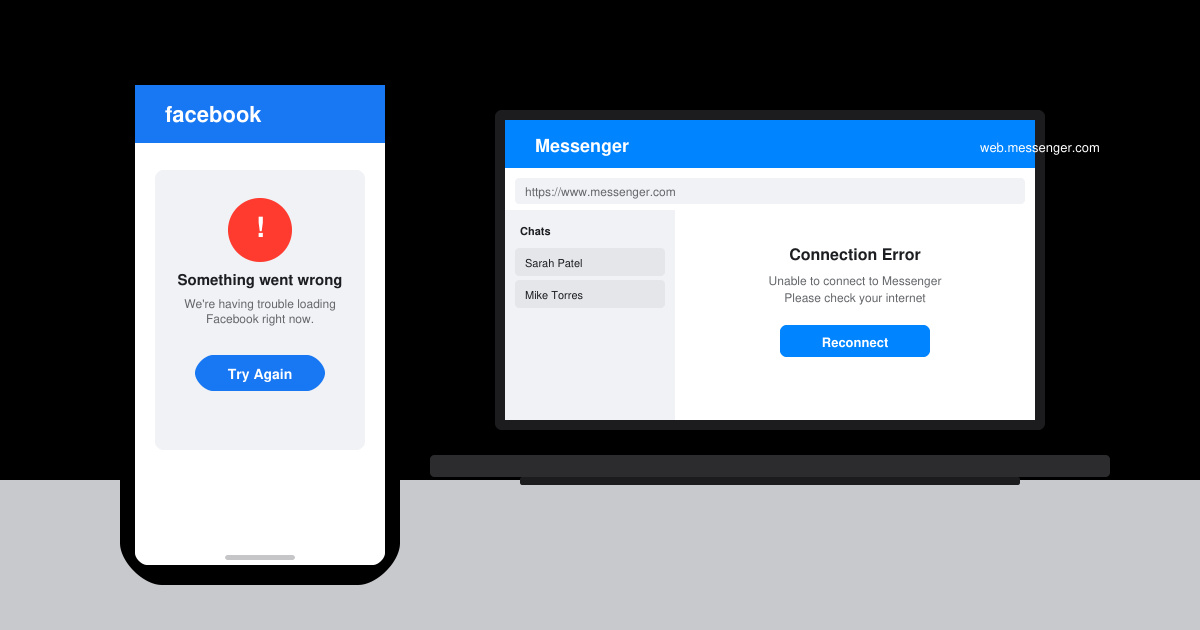
Facebook Messenger Isn T Working on your device? Use these exact troubleshooting steps to restore chats, calls, and notifications fast on Android, iOS, or desktop.
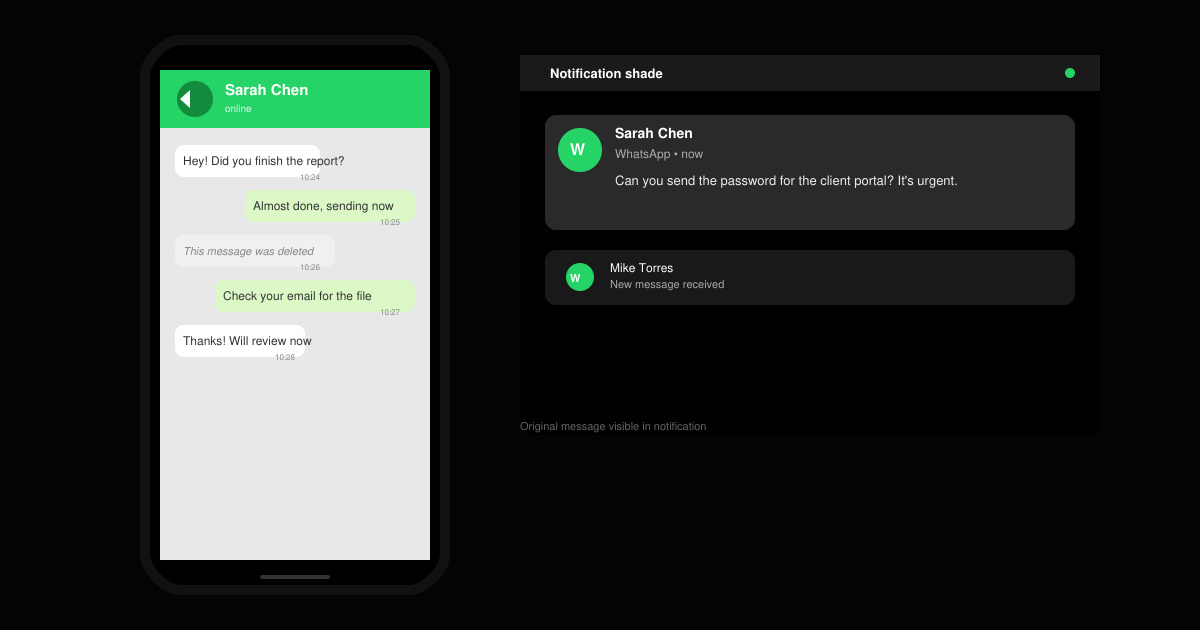
How to See Deleted WhatsApp Messages using your phone's built-in tools. Follow these exact steps to recover messages that contacts have deleted from chats.
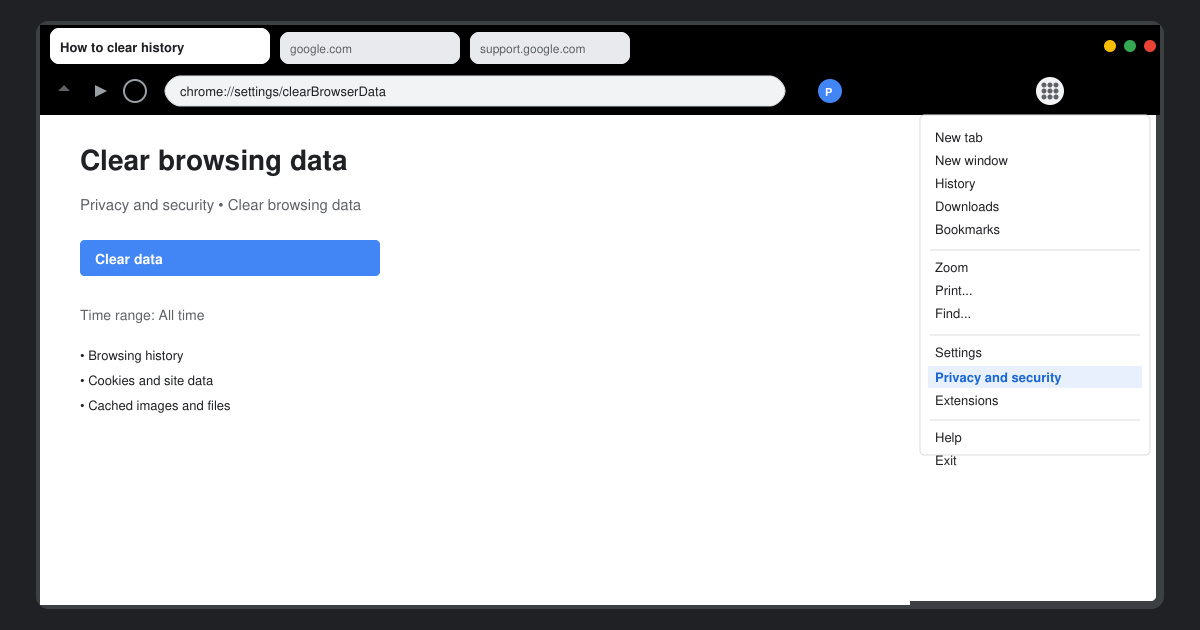
Learn how to clear browser history in Chrome on desktop and Android with this exact step-by-step process. Keep your browsing private and free up storage space quickly.
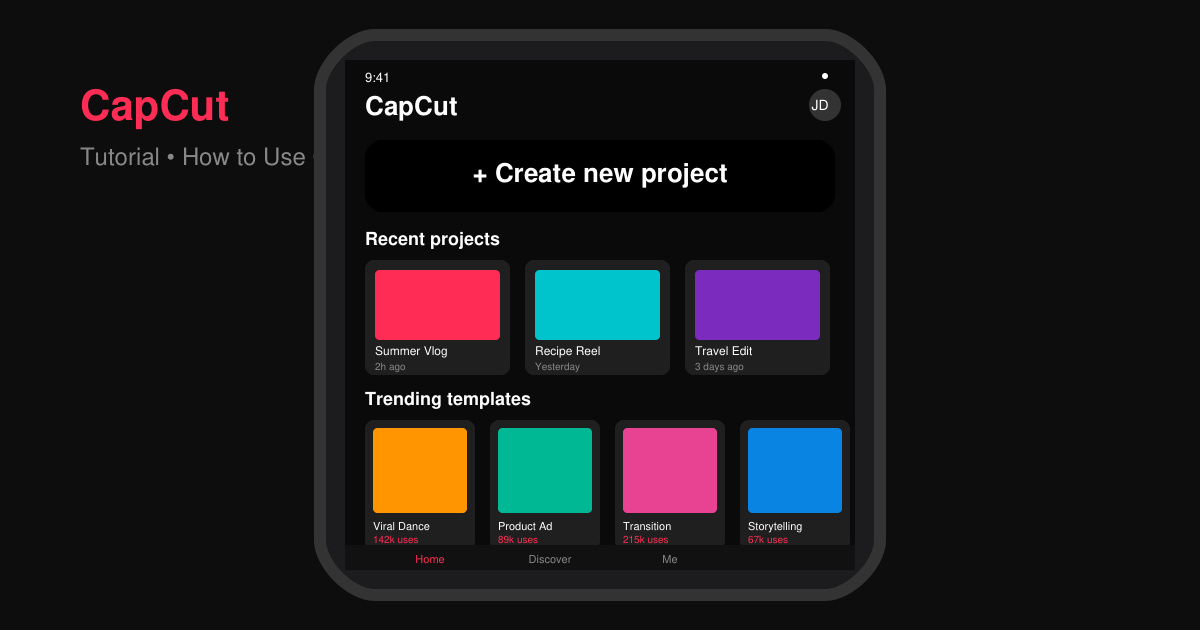
Master how to use CapCut with this practical walkthrough covering project setup, editing tools, effects, and export options for high-quality video results.
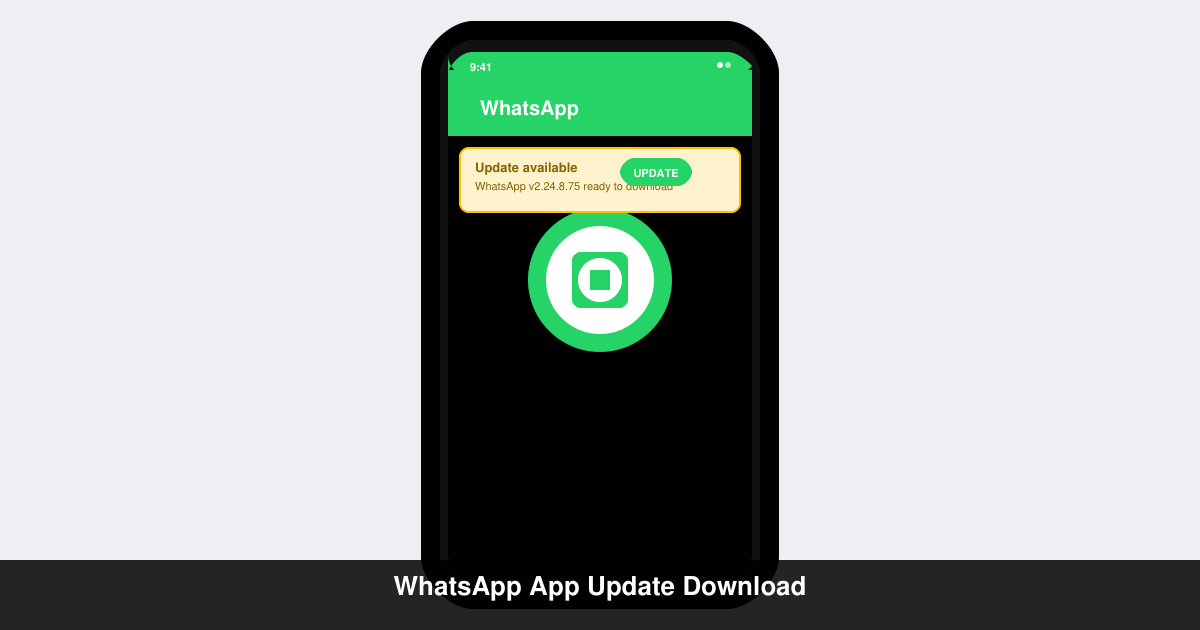
Get the latest WhatsApp App Update Download from official sources to access new features and security improvements. Follow these clear steps for Android and iOS devices.
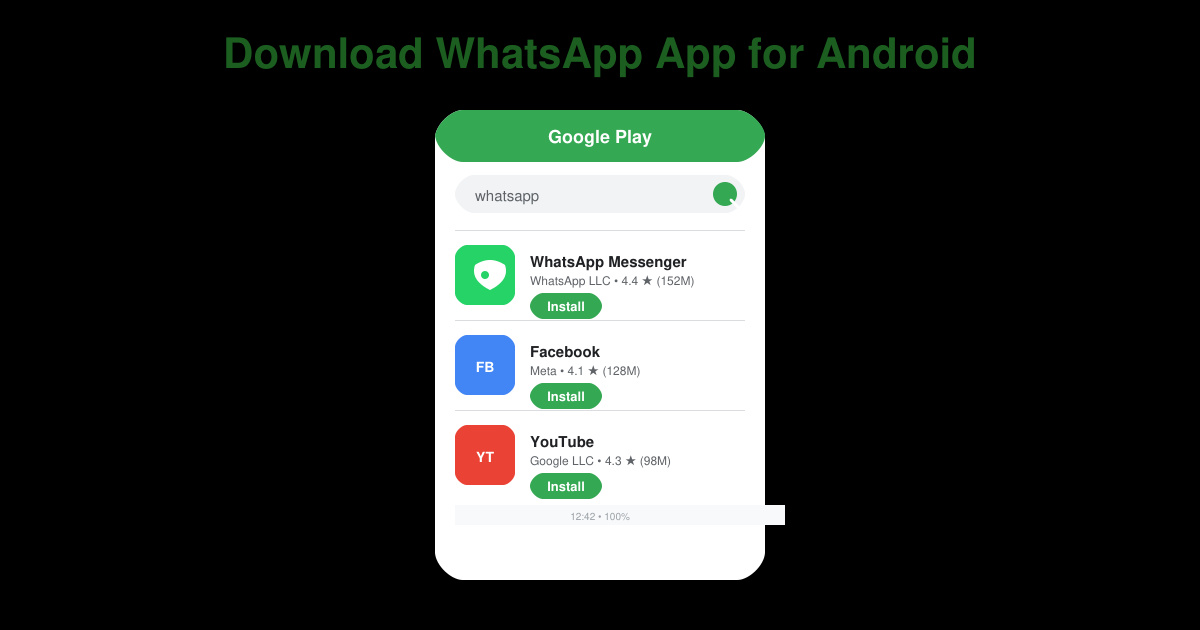
Learn how to safely Download WhatsApp App for Android from the official Google Play Store. Follow our clear step-by-step instructions to install the latest version quickly and securely.
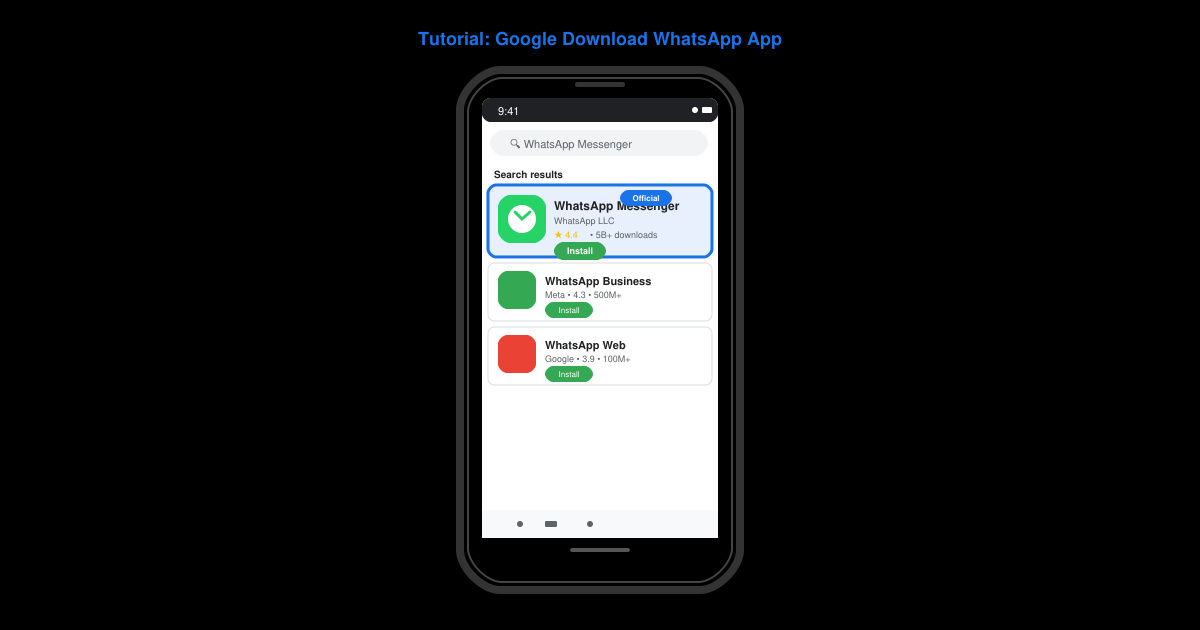
Google Download WhatsApp App safely through the Google Play Store with this clear guide. Get the official version on your Android device quickly and avoid fake downloads.
Facebook and Messenger not working can disrupt your day. Follow these targeted fixes to restore access quickly on mobile and desktop.