ChatGPT brought artificial intelligence into the mainstream. It is one of the fastest growing apps of all time and has paved the way for millions of other AI products to come.
AI has fundamentally changed the way we search online, and people are even using ChatGPT to answer their queries instead of Google. AI chatbots like ChatGPT will continue to transform the way we consume, create, and communicate online. While AI innovation is advancing rapidly, it is important to understand the basics of how ChatGPT works to navigate the ecosystem of tools.
ChatGPT can answer your questions, summarize text, write new content, code, and translate languages. Depending on the version you're using, it can browse the internet or generate information up to the date of its most recent training model.
Not magic, but math: The results are based on predictions from a large language model and past information, making it susceptible to illusions, errors, and bias.
Maintain a balanced approach when using tools like ChatGPT. AI, like most cutting-edge technologies, is neither all good nor all bad. Avoid being too rigidly in either direction.
People use ChatGPT for everything from work-related tasks like creating resumes and cover letters, searching for their dream job, to personal things like saving time and being more productive, finding the best deals and coupons when shopping online, and even creating recipes from leftovers.
ChatGPT Setup
You can use ChatGPT as a search engine, just like Google 's homepage . Visit chatgpt.com or download the ChatGPT app from the Apple App Store or the Google Play Store.
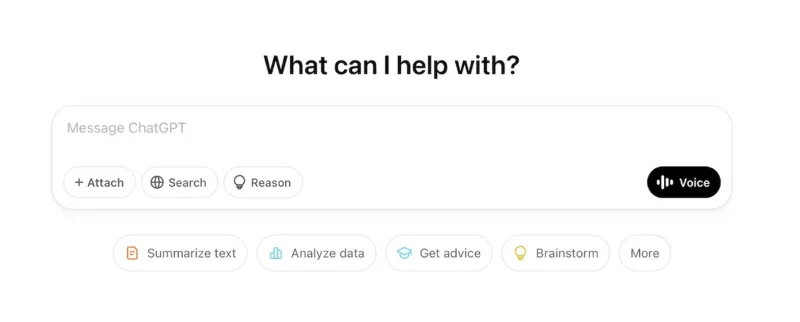
Open an app or website and type in your question or prompt. You can use voice functionality, attach files, and even browse trending topics in Search .
For more advanced and personalized features, it's best to create an account and log in. ChatGPT knows more about you through your search history and you can customize ChatGPT's responses.
To create an account, click the Sign Up button in the upper right corner. Choose between a free or premium membership ($20/month). In most cases, the free version will be sufficient.
For quick personal searches, you might want to use the app. For work, the desktop version is probably easier to use. And if you use voice commands instead of prompt typing, the mobile app is best.
Get familiar with AI tools
There is no “right” way to use ChatGPT. The only wrong way to use it is to just use ChatGPT and leave your critical thinking to it. Use ChatGPT and Google together, and always fact-check everything that both tools tell you. Click on the sources that Google and ChatGPT are pulling information from.
You can't just trust the information AI gives you - it can hallucinate or draw wrong conclusions from questionable source information.
It’s also helpful to approach AI tools with your goals in mind. For example, you can use ChatGPT as a brainstorming partner or a research aid. Give it a “job” and incorporate it into your process, rather than letting it replace all of your research.
What can you ask ChatGPT?
You can ask ChatGPT almost anything - just avoid providing any personal or sensitive information, such as credit card numbers, SSNs, or any personally identifiable information in case of a data breach.
For anything you ask ChatGPT, the more context you provide, the better. You only get out what you put in, so focus on providing as much information as possible in your first prompt.
Prompts will depend on whether you're asking a question, summarizing text, brainstorming, getting "advice," analyzing images, sourcing code, or creating content.
If you're not sure where to start, here are a few things you can ask ChatGPT to help you with.
Request for advice
Let's say you're trying to get pregnant and want to know the ideal diet for your condition.
Example prompt: "I am a 36-year-old woman preparing to begin IVF. I have no fertility issues, but my AMH is low. Please provide a suggested diet to follow during my egg retrieval and transfer . "
It will give you a lot of information. Most of it won’t be personalized to you, so think of it as a conversation where each subsequent prompt will bring you closer to the customized advice. You can see an example of a prompt related to this exact advice here, and all the follow-up questions to ask to dig deeper to get useful information.
Just remember, if you are asking for health and fitness information, always check with your doctor.
Data related requests
Let's say you're a small business owner and want to reduce overhead costs, so you enter your expense spreadsheet into ChatGPT for advice.
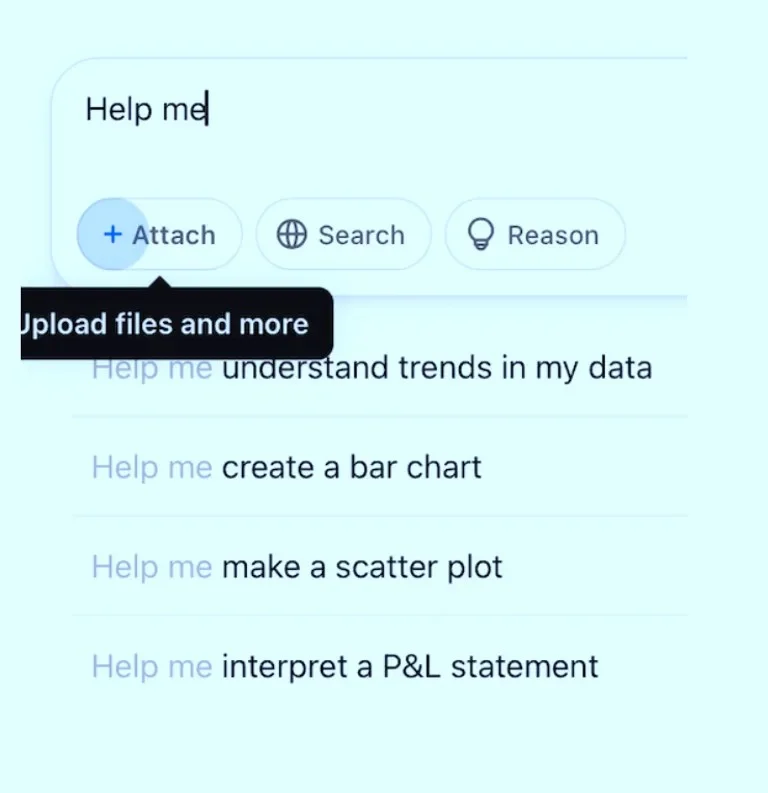
You can click the Analyze data button and it will generate prompts. Choose the most appropriate answer or type after "help me…"
Example prompt: "Help me save money on expenses. Attached is a list of my expenses for the past year . "
Again, double check every number the AI tool returns.
Browse ChatGPT
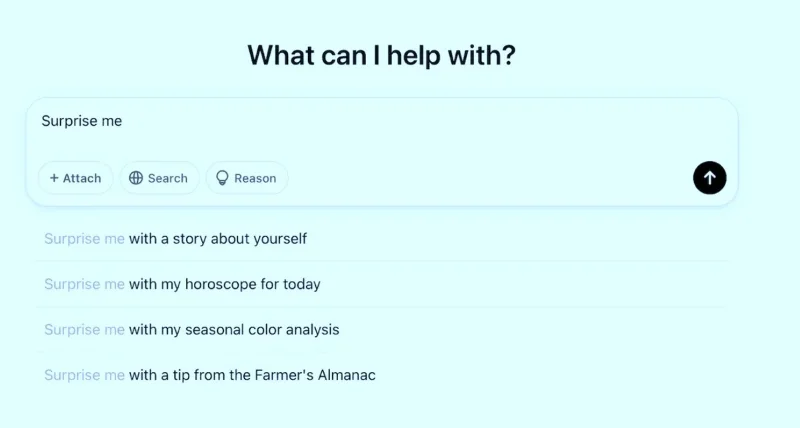
If you just want to test the tool before using it to ask specific questions, you can use the automatic prompt that appears in ChatGPT.
For example, if you click Surprise me , you can explore prompts like the following:
Click on one of the suggested prompts and this is the response you get:
If you click Make a plan , you can explore prompts like “plan to get a promotion,” “plan to buy a new car,” “plan meals for the week,” and “plan a weekend in New York.”
For meal plan suggestions, for example, quickly enter the contents of your fridge and your current diet into ChatGPT, and it will generate a meal plan for the week. You can customize it by uploading a photo of what's in your fridge and asking for dinner suggestions, or simply by asking ChatGPT to recommend some great restaurant options in New York.
This meal planning example really shows how ChatGPT and other AI tools are “choose your own adventure” and handy search partners for whatever you want to do with them.
Just remember to keep a balanced perspective on these tools. And always double-check its advice.