Pardus 23 Sound Card Missing? Check ALSA and Restore Audio
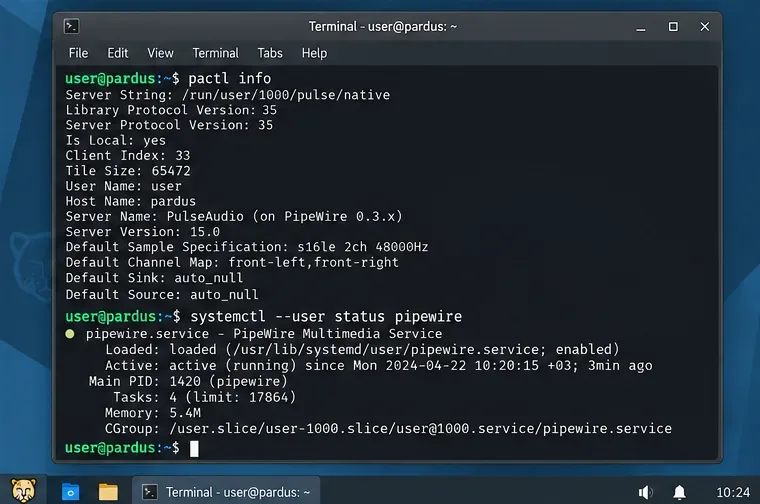
Find out why Pardus 23 cannot detect your sound card, then use targeted ALSA, firmware, and PipeWire or PulseAudio checks to restore playback.
Despite being considered a heavy, demanding machine configuration, BlueStacks has always been the most installed Android emulator today. If you are also using BlueStacks to play games on your computer and find it difficult to not really understand what this emulator shows in your current language, you can change BlueStacks to Vietnamese in just 4 simple steps. following simplified.
Download BlueStacks 2 for free here
Download BlueStacks App Player for Mac for free.
Among the most popular Android emulators currently used, BlueStacks can be said to be the most supported emulator in the World (including Vietnamese).
Step 1: You log into your BlueStacks account and then from the main interface, left click on the settings icon (gear).

Step 2: Interface settings - Settings appear, find and click on Language & Input.

Step 3: Click on Language (here you can see the language you are using).

Step 4: A list of languages appears. You drag and find Vietnamese , click on it and then wait a while for BlueStacks to save and change again.

After the change, our simulator will be completely converted to Vietnamese, very handy and easy to understand.


1. Launch BlueStacks. On the home screen, click on the hamburger menu icon, as shown below.

2. From the dropdown menu, select Settings.

3. On the 'Settings' page, click on the Preferences tab.

4. Under the Preferences settings, the first section is for Language settings. Here, you will see the current language for your BlueStacks. The image below shows this language as 'English (United States)'.
Click on the arrow on the language box, as shown below.

5. You will now see a list of supported languages on BlueStacks. Select the one that you wish to apply as your preferred language.

6. Click on Save for changes to take place, as shown below.

From now on you can freely use a gaming simulator on your computer without worrying about the language. In addition, BlueStacks also supports users to search on Google Play in Vietnamese to help search results be filtered more accurately.
Find out why Pardus 23 cannot detect your sound card, then use targeted ALSA, firmware, and PipeWire or PulseAudio checks to restore playback.
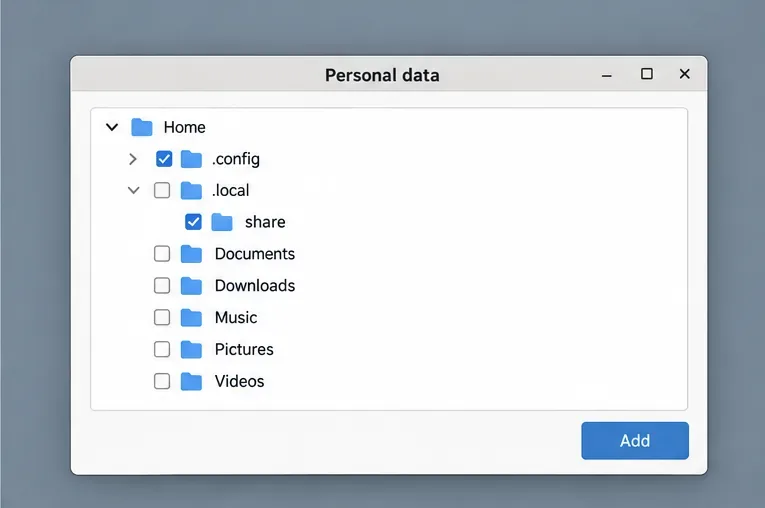
Save HamoniKR preferences to external storage, include hidden home folders, and choose a safe restore mode when moving to a fresh installation.
Install and configure xrdp on Pardus, choose the right Xfce session, restrict network access, and verify that remote login works.
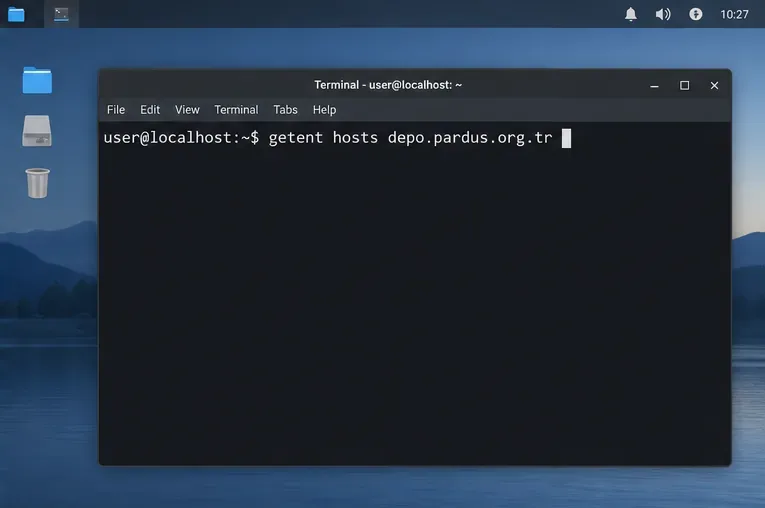
Diagnose Pardus 23 APT connection failures, confirm the official yirmiuc sources, and restore apt update without bypassing package signature checks.
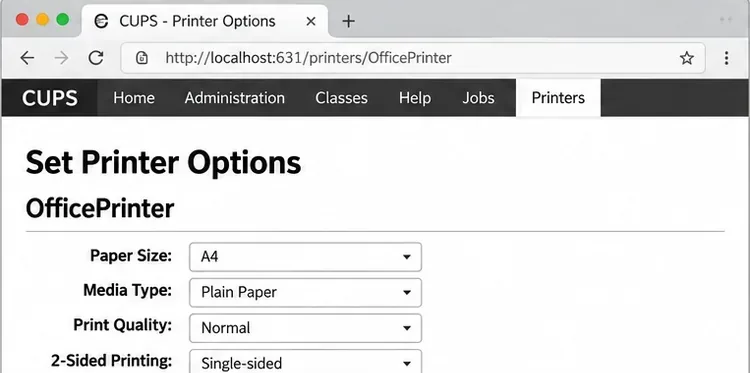
Configure printers on Harmonica OS using CUPS, compare driverless IPP with legacy drivers, and verify USB or network printing with a test page.
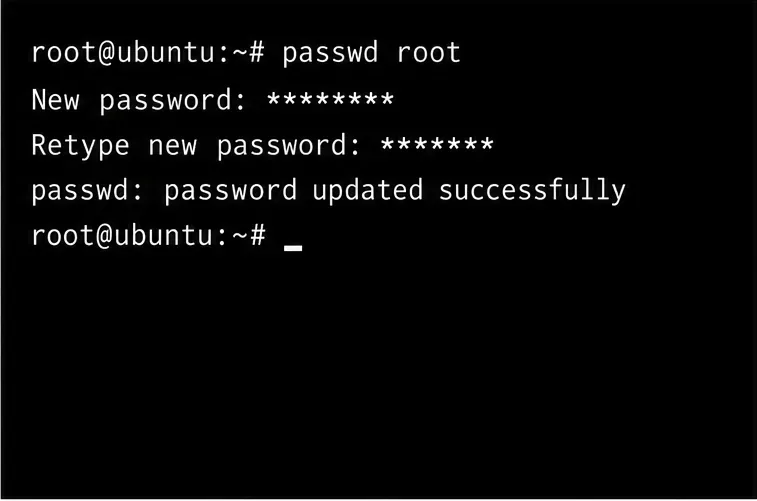
Use a recovery shell to set a new Harmonica OS root password, with checks for encrypted disks, read-only filesystems, and accounts that use sudo.
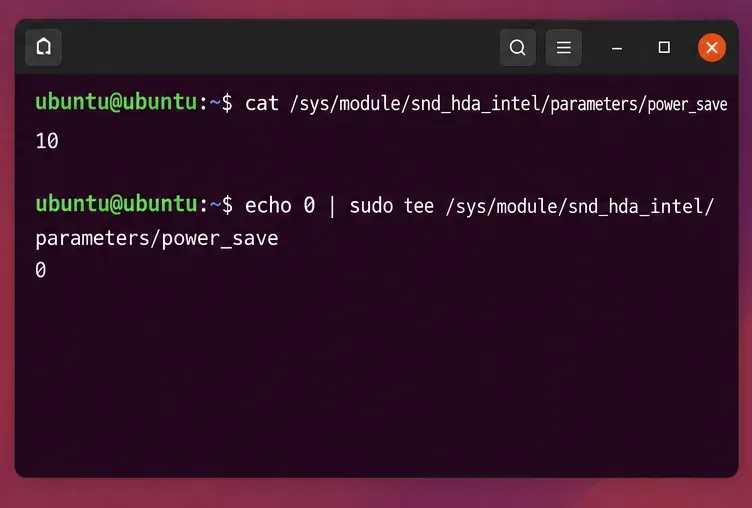
Trace whether clipping, ALSA format conversion, or HDA power saving is causing Ubuntu 24.04 audio distortion, then apply the matching reversible fix.
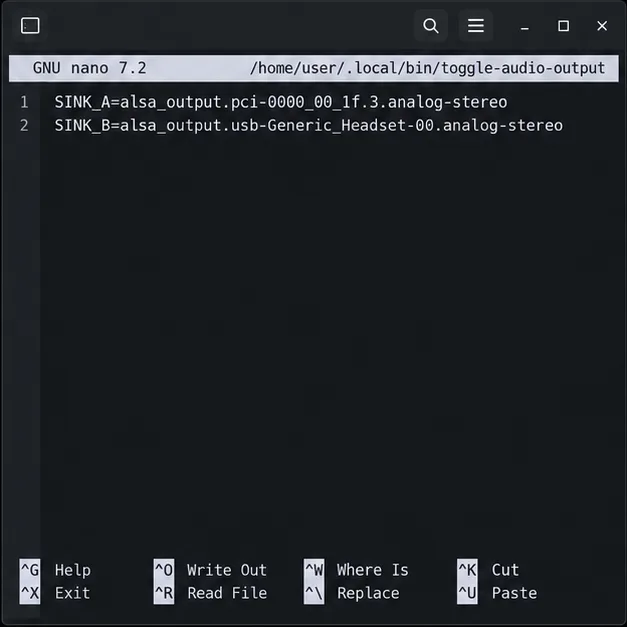
Switch Debian audio between named PipeWire outputs with a pactl script that updates the default sink and reroutes streams already playing.
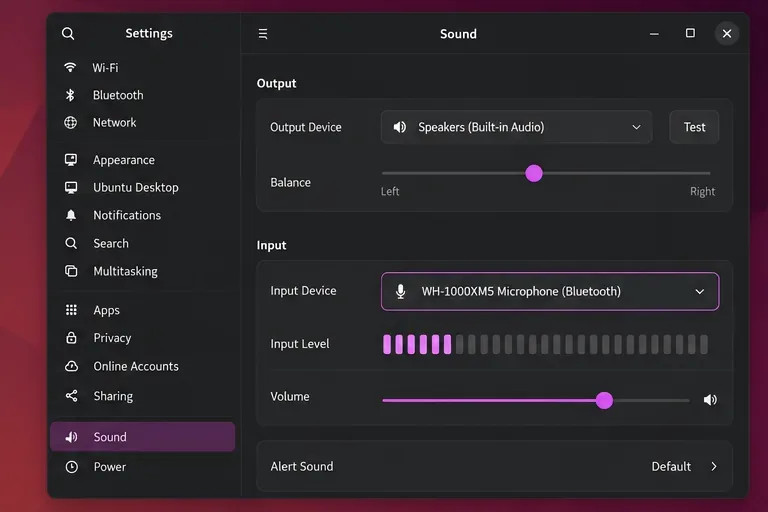
Get your Bluetooth headset mic working by selecting the right input, using a hands-free audio profile, and checking Ubuntu’s PipeWire route.
Learn why Flatpak apps may ignore Ubuntu 24.04 GTK themes and follow safe steps to check theme extensions, refresh Flatpak apps, and diagnose portal issues.