Make Custom Fonts Available in Collabora CODE Docker
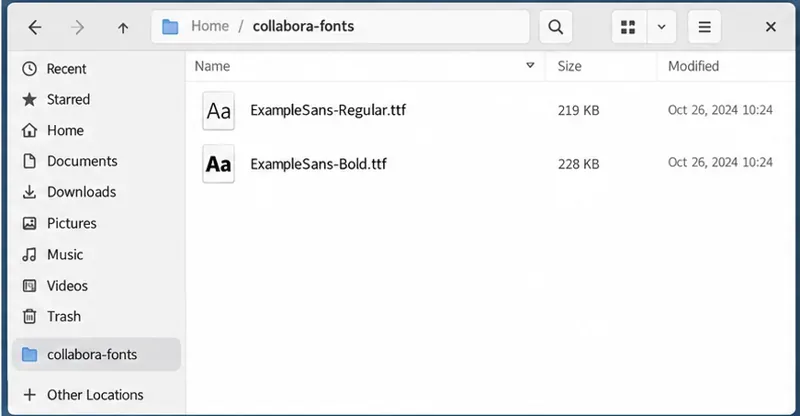
Mount font files into Docker and Collabora’s systemplate so custom typefaces appear in the editor and render correctly in documents.
After a period of use, you do not like using the Coc Coc browser anymore, but when you uninstall Coc Coc, you see the error message. You are struggling forever without knowing how to remove Coc Coc browser?
Please refer to the following article to find out the causes and ways to fix errors when uninstalling Coc Coc:
First, close Coc Coc browser, then do it using Task Manager. For people who use computers with Windows 7 operating system, Task Manager will be a little different, specifically:
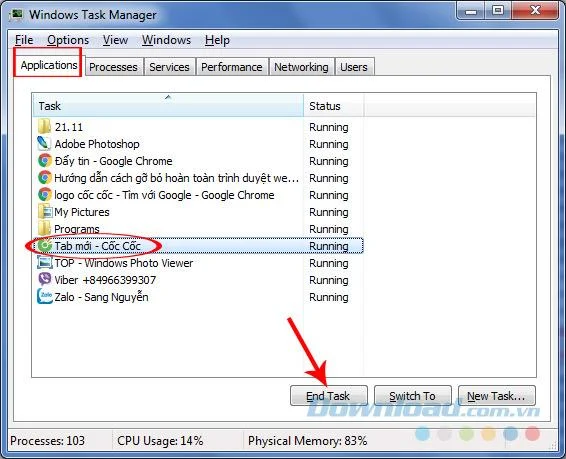
First, we go to the Applications tab, select down to Coc Coc open (if available), then click End Task below to completely close this application.
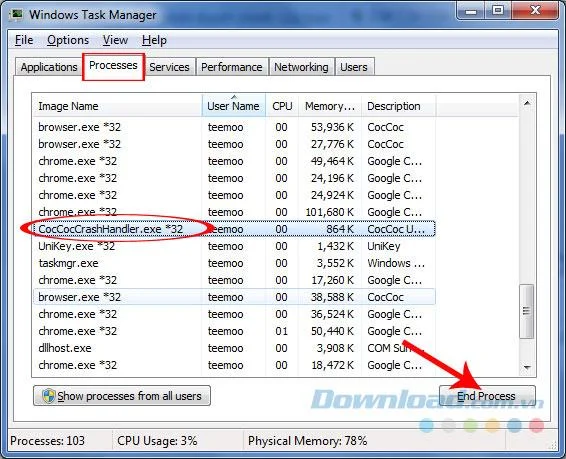
In addition, we also need to perform more operations, this is the reason why the removal occurred error. Select the Processes tab, look for the list displayed below CocCocCrashHandler.exe and End Process it.
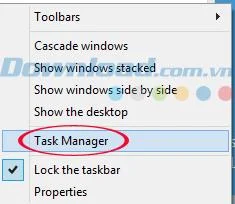
First press Ctrl + Alt + Del or right-click on the Taskbar and select Task Manager.
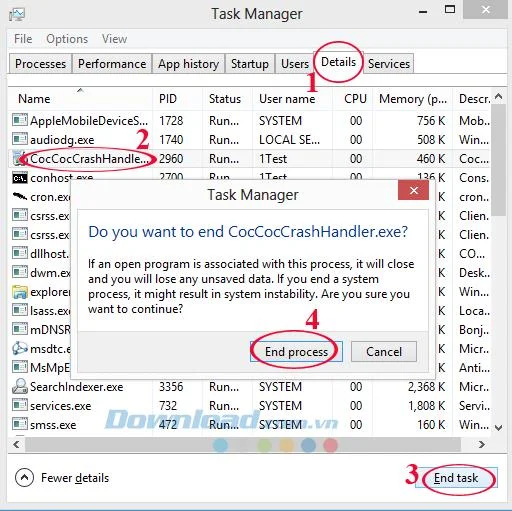
Immediately after the Task Manager window appears, click on the Details tab and find the CocCocCrashHandle ... application running. Then, click on that app and click the End Task button at the bottom. A confirmation window will pop up and click on End Process to end this background process.
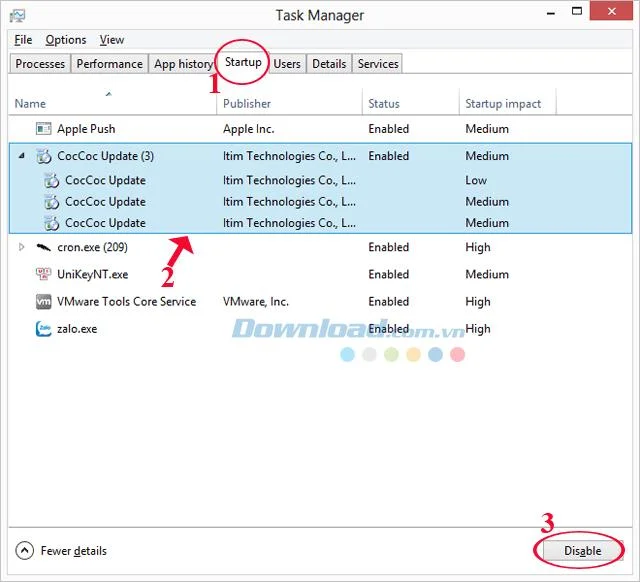
You also proceed to open the Task Manager similar to the way in 1, then click on the Startup tab . Then, click on the CocCoc Update application and click the Disable button in the bottom right corner of the screen.
After doing either of the above, please restart the computer and proceed to uninstall. Now, you can uninstall Coc Coc without any further problems!
In addition, you can download Google Chrome , Mozilla Firefox or Internet Explorer to replace Coc Coc browser.
Mount font files into Docker and Collabora’s systemplate so custom typefaces appear in the editor and render correctly in documents.
Back up coolwsd.xml and its deployment sources, restore them safely, and verify CODE before users return to editing.
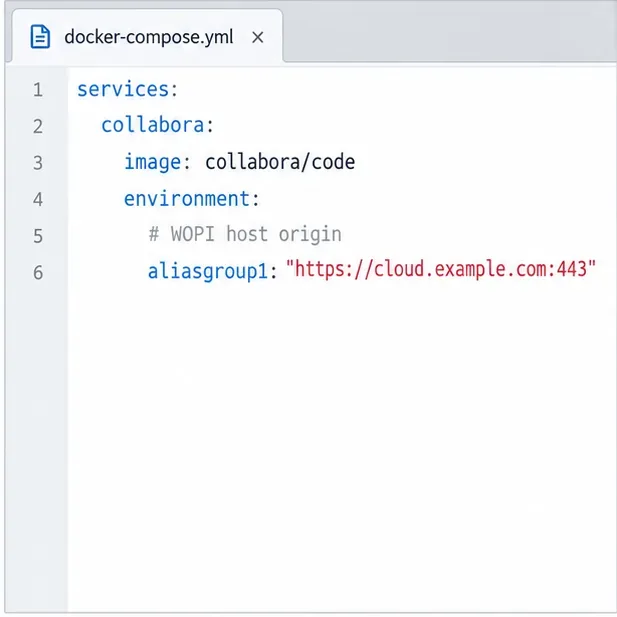
Allow the exact Nextcloud or other WOPI origin in CODE, then verify the active host allow-list and distinguish it from Nextcloud’s source-IP restriction.
Trace Collabora’s browser, WOPI, and WebSocket connections to find why a document will not open, then apply the fix that matches your Nextcloud setup.
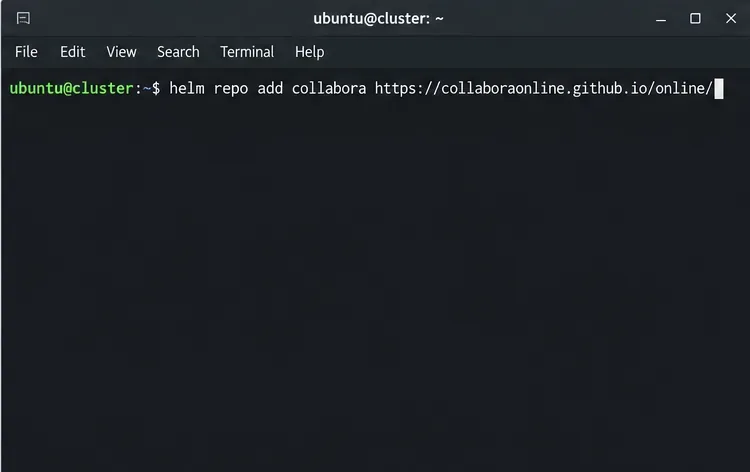
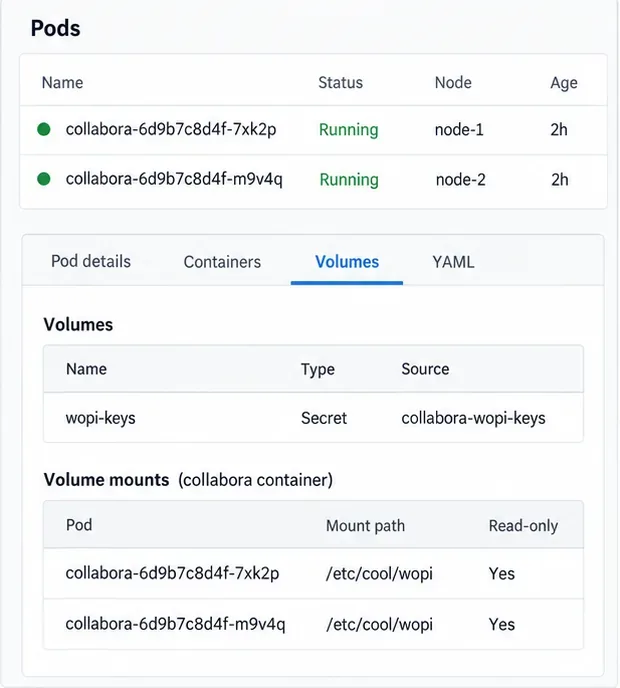
Deploy Collabora CODE replicas with Helm, keep each document on one pod through WOPI affinity, and verify ingress, node placement, and Nextcloud editing.
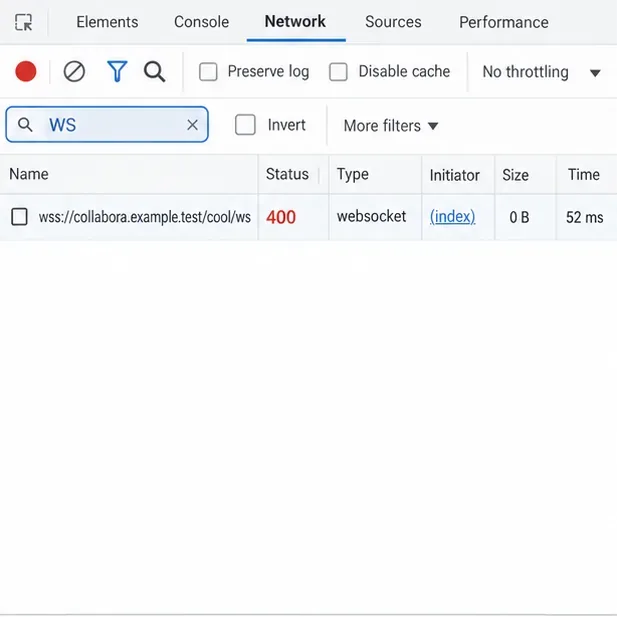
Trace a failed socket handshake from browser to coolwsd, then match the reverse-proxy route to your Collabora version, including the CODE 26.04 Apache change.
Trace Collabora WOPI proof failures to mismatched keys, stale discovery data, clock drift, or proxy URL changes—without weakening validation.
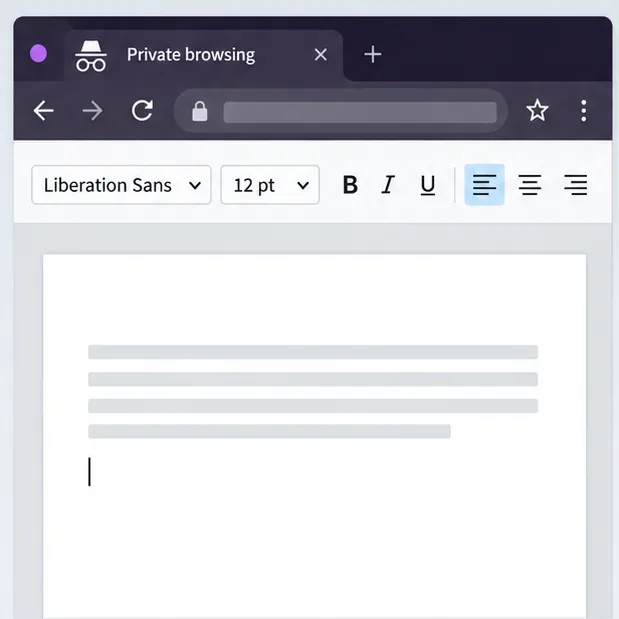
Reset browser zoom, test a clean session, and identify when a malformed size menu needs a Collabora server update.
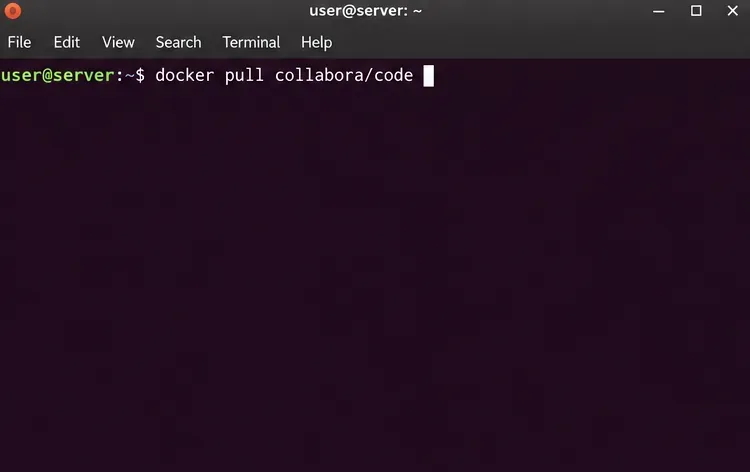
Deploy Collabora CODE with Docker, connect it securely to Nextcloud Office, and verify document editing with practical WOPI and proxy checks.
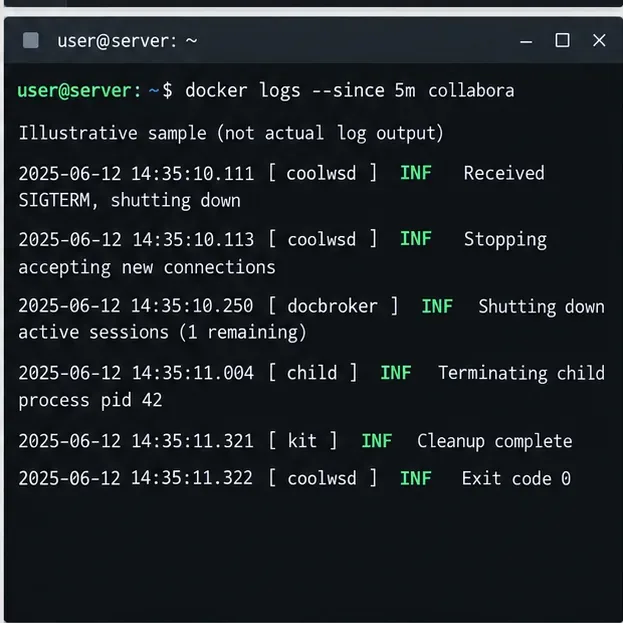
Temporarily raise coolwsd to debug, capture one failed open, and use the log sequence to separate WebSocket, WOPI, proxy, and container issues.