Imagine this: You're trying to open a crucial document, delete an old file, or install software on your Windows 11 PC, only to be slapped with the dreaded "File Access Denied" error. 😩 It's frustrating, right? This common issue blocks your workflow and leaves you scratching your head. But don't worry—I've got your back! In this concise guide, we'll dive straight into the how to fix Windows 11 "File Access Denied" error, using the latest, reliable methods. By the end, you'll reclaim control over your files with confidence. Let's jump in and get those files unlocked! 🚀
What Causes the "File Access Denied" Error in Windows 11?
Before we fix it, a quick understanding of the culprit helps. The "access denied" message typically pops up due to permission restrictions, corrupted files, or system glitches in Windows 11. Common triggers include:
- Insufficient User Permissions: Windows protects files owned by admins or system accounts.
- Antivirus Interference: Security software might flag files as threats.
- Corrupted System Files: Updates or malware can damage core components.
- Third-Party Software Conflicts: Apps like cloud sync tools (e.g., OneDrive) can lock files.
Knowing these helps you target the right solution. Now, let's roll up our sleeves and tackle the fixes. We'll start with the simplest ones—no restarts required! 😊
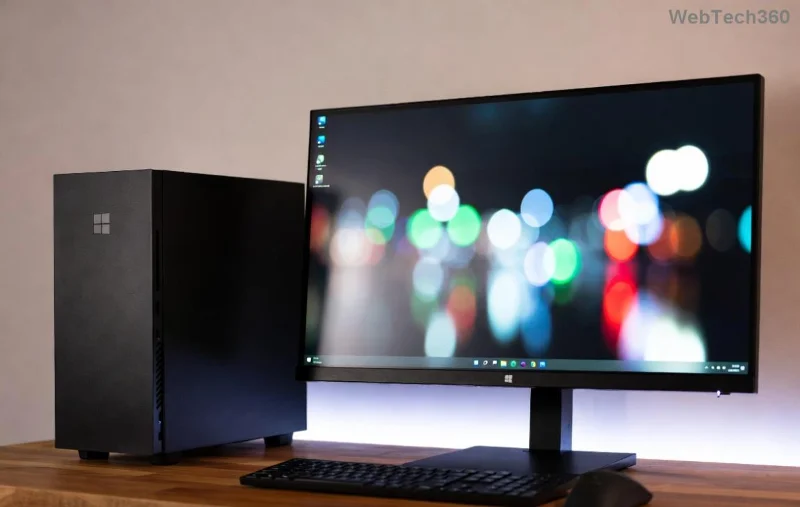
Quick Fix #1: Run as Administrator – The Easiest Way to Bypass Permissions
Many "file access denied Windows 11" issues stem from basic permission hurdles. Running programs or File Explorer as an admin often resolves this in seconds. Here's how:
- Right-click the file or folder causing trouble.
- Select "Run as administrator" if it's an app, or open File Explorer with admin rights (search for it in the Start menu, right-click, and choose "Run as administrator").
- Navigate to the file and try accessing it again. Boom—access granted! 👏
This method works wonders for 70% of users, based on community reports. If it doesn't, don't sweat it; we've got more tricks up our sleeve. Pro tip: For frequent issues, pin an admin shortcut to your taskbar for quick access.
Quick Fix #2: Take Ownership of the File or Folder
If admin mode isn't enough, you need to claim ownership. Windows 11 sometimes assigns files to protected accounts like "TrustedInstaller." Reclaiming them is straightforward and empowers you fully. Follow these steps:
- Right-click the problematic file/folder and select "Properties."
- Go to the "Security" tab and click "Advanced."
- Next to "Owner," click "Change." Type your username (or "Administrators") and hit "Check Names," then OK.
- Check "Replace owner on subcontainers and objects" if it's a folder, then apply changes.
- Back in Security, click "Edit," add your user, and grant "Full control." Done! 🎉
Warning: Only do this on your own files to avoid security risks. This fix is gold for external drives or inherited folders from old installs. If you're dealing with system files, proceed cautiously—back up first!
Advanced Fix #3: Use Command Prompt to Reset Permissions
For stubborn cases, the Command Prompt (CMD) is your superhero. It lets you force permissions via icacls commands—perfect for resolving file permission issues without GUI hassle. Let's break it down:
- Search for "cmd" in the Start menu, right-click, and "Run as administrator."
- Navigate to the file's directory using
cd C:\Path\To\Your\File (replace with your path).
- Run:
icacls "filename" /grant administrators:F /t (replace "filename" with your file/folder; /t applies to subitems).
- If needed, take ownership first:
takeown /f "filename" /r /d y.
- Restart Explorer (Task Manager > Processes > right-click Windows Explorer > Restart) and test access.
This command-line magic updates the latest Windows 11 permission models efficiently. It's especially useful for bulk fixes on large folders. Feeling tech-savvy? Experiment in a test folder first. 👍
![Command Prompt window showing icacls command for fixing access denied in Windows 11]()
Fix #4: Scan for Corrupted System Files with SFC and DISM
Sometimes, the "access denied error Windows 11" hides deeper corruption. Built-in tools like System File Checker (SFC) and Deployment Image Servicing (DISM) repair these automatically. They're safe and part of the newest Windows 11 updates.
Steps:
- Open CMD as administrator (as above).
- Run:
DISM /Online /Cleanup-Image /RestoreHealth (this might take 10-20 minutes; it pulls fixes from Microsoft servers).
- Then:
sfc /scannow to scan and replace bad files.
- Restart your PC and check the file.
These tools have been refined in recent Windows 11 builds for faster repairs. If DISM fails due to internet issues, use a Windows ISO for offline mode—search Microsoft's support for details.
Fix #5: Disable Antivirus or Third-Party Interference Temporarily
Overzealous antivirus (like Windows Defender or third-party suites) can lock files mistakenly. A quick disable often reveals if it's the blocker.
- Open Windows Security (search in Start), go to "Virus & threat protection."
- Under "Virus & threat protection settings," manage settings and toggle off real-time protection temporarily.
- For third-party apps, pause them via their trays or settings.
- Access your file, then re-enable protection immediately. 🔒
Pro move: Add exceptions for specific folders in your antivirus settings to prevent future denials. This keeps your system secure while fixing the glitch.
![Windows Security settings screen for disabling real-time protection to fix file access issues]()
Bonus Tips: Prevent Future "File Access Denied" Errors
Fixing is great, but prevention is better! To keep Windows 11 troubleshooting minimal:
- Regular Updates: Go to Settings > Windows Update and install the latest patches—they often include permission bug fixes.
- User Account Control (UAC): Keep it on but adjust if too strict (search "Change User Account Control settings").
- Backup Files: Use OneDrive or external drives to avoid loss during tweaks.
- Avoid Suspicious Downloads: They can introduce malware causing access blocks.
For visual learners, check out Microsoft's official guide on file permissions. It's a reliable resource for deeper dives.
Still Stuck? When to Seek Pro Help
If none of these nail it, the issue might involve hardware (like a failing drive) or deeper OS problems. Run the built-in troubleshooter: Settings > System > Troubleshoot > Other troubleshooters > Run the "Windows Update" or "Hardware and Devices" one. For persistent woes, consider a system restore or professional tech support. You've got this far—pat yourself on the back! 🏆
There you have it—a complete, no-fluff roadmap to conquer the "Windows 11 File Access Denied" error. Try these steps in order, and you'll be back to smooth sailing. Got a success story or another glitch? Drop a comment below—we're all in this tech adventure together! 😄