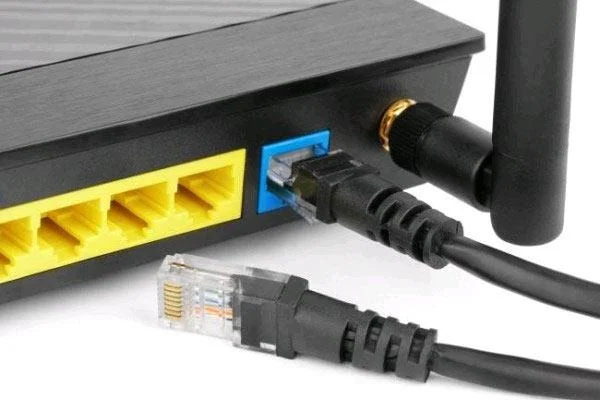
It's annoying when Wifi network flickers, sometimes lost. When you encounter such a situation, you try to plug the network cable directly into the computer, if used normally, your Wifi transmitter may be faulty. Check to see if the Wireless Router is experiencing any of the following:
5 ways to fix Wireless Router error, Wifi transmitter is faulty
1. Restart Modem
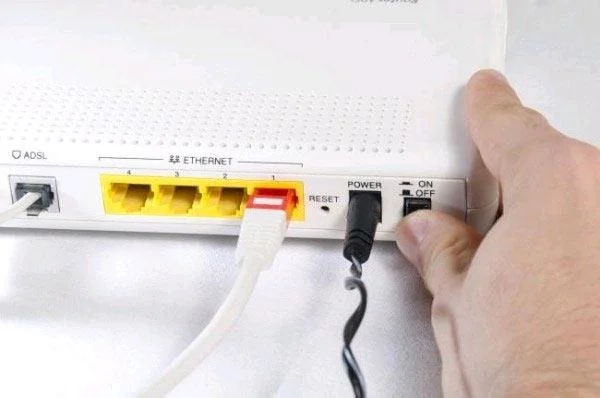
The first thing to do is restart the Modem, then login to the Wifi Modem to reset your Wifi network name and Password. Most accounts, login Modem Wifi default password is admin, admin. You can refer to how to change the Wifi password for the Modem types that we introduced before.
2. Check the Modem temperature
When the Modem is too hot, it will lead to network error. If the test is too hot, you need to unplug the entire power outlet, network cable. Leave the modem to rest for about 15 - 30 minutes, then turn on the Wireless Router and connect to the network again.
3. Check the network cable
When the network cable is loose, flutter also reduces the ability to transmit the network. If you find the network cable is too old, suspect fault, you should replace it with a different one.

4. Review the location of the Wifi transmitter
The location of the Wifi transmitter, the direction of the antenna also affects your network connection. Normally, they will be placed in a cool place, avoid close to the edge of the wall, do not place under other transmitters will affect the speed of your Wifi.
5. Reset Wifi transmitter
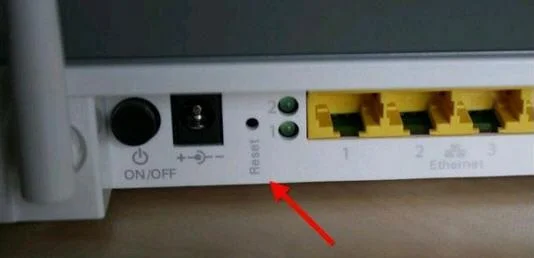
When doing all of the above does not work, proceed to reset the Wifi transmitter. Just take a pin or toothpick into the Reset hole behind the Modem, press and hold for about 5 seconds to restart. When the power lamp (Power) is blinking, it is restarted. At this time, remove the pin, reinstall the configuration on the computer is done.

When doing all 5 ways above can not fix, it may be due to the faulty Router you need to take warranty or buy a new Wireless Router instead.
I wish you successful implementation!