How to Tell Why Some U.S. Cities Thrive in December: A 5-Step Guide
Use this 5-step guide to assess weather, visitors, events, and downtown design—and understand why some U.S. cities feel lively in December.
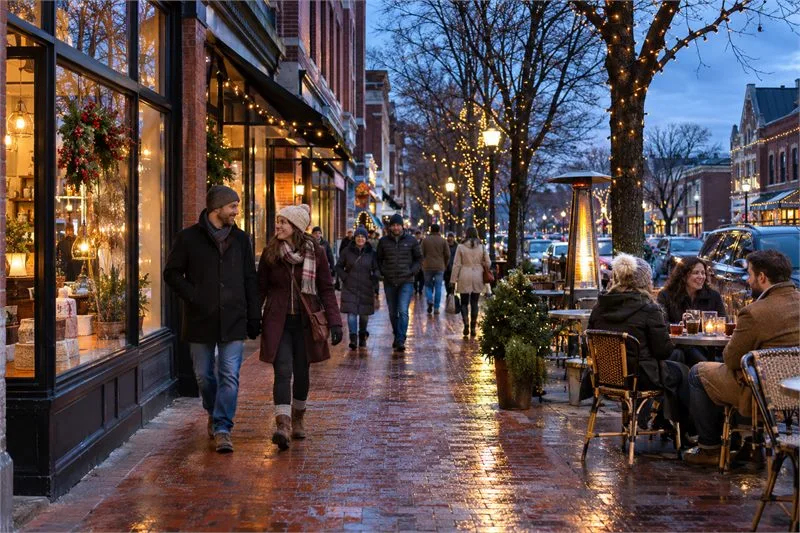
Why does one U.S. downtown feel festive and busy in December while another seems to empty out? This guide helps travelers, residents, and local business owners assess the factors behind that difference without treating a city’s reputation or one quiet afternoon as proof. In five steps, you’ll compare seasonal conditions, visitor patterns, event activity, and the layout of the places where people gather.
Choose observable signs instead of relying on a vague impression. You might look for open restaurants, people walking between destinations, active public spaces, busy cultural venues, or shops keeping regular hours. Decide whether you mean daytime activity, nightlife, visitor traffic, or a mix.
Then pick a consistent time and area to compare. A financial district on a Sunday evening is a poor match for a shopping street on a Saturday afternoon. Compare similar weekdays, hours, and neighborhood types, and remember that holiday closures can change normal patterns.
Look up climate normals and the forecast for the dates you care about. Climate normals are long-term averages that offer context; they do not predict the weather on a particular day. The National Weather Service publishes 1991–2020 climate normals, including monthly and daily measures. Its Chicago December table, for example, shows typical temperatures and snowfall varying through the month. Downtown Los Angeles has a much milder December normal, with an average high of 67.4°F and average low of 48.2°F.
Cold, rain, snow, wind, and early darkness can shift activity indoors or concentrate it around transit, covered walkways, and evening attractions. A mild forecast may make outdoor dining or walking more comfortable, but weather alone cannot explain whether a city feels active.
Separate year-round residents from seasonal visitors, holiday travelers, students, and workers who commute into the center. Census migration figures describe moves between residences, not daily foot traffic or seasonal tourism, so use them as context rather than a direct liveliness score. The Census Bureau’s latest American Community Survey mobility summary reports that 11.6% of people moved to a different residence in 2025; that measure does not tell you how many visitors were downtown in December.
Look for local tourism reports, hotel occupancy releases, visitor bureau calendars, airport or transit updates, and university break dates. Warm-weather destinations may draw winter visitors, but the impact differs between a resort area, a residential neighborhood, and a downtown business district.
Check official city, venue, museum, market, and performing-arts calendars for events across the full month. Note their locations, hours, indoor or outdoor setting, ticket requirements, and holiday closures. One large attraction can create a lively pocket while nearby streets remain quiet.
Next, see whether people can easily move between events and everyday destinations. A walkable cluster of shops, food, transit, and public spaces may sustain activity after a performance or market closes. If attractions are far apart or require a car, visitors can spend the day in the city without creating much visible street life in one central area.
Make a simple side-by-side note for each city: typical December conditions, forecast for your dates, visitor and resident clues, events, opening hours, and how destinations connect. Check more than one day and one neighborhood if you can. A single observation can be distorted by a storm, a major event, a weekday schedule, or holiday closures.
Use recent Census migration analysis carefully: the Bureau reports that Southern counties have increasingly ranked among the highest for domestic migration since 2021, while also pointing to jobs, retirement, housing, and changing patterns as factors. That describes longer-term county movement—not a guarantee that every Southern downtown is busy in December. The best explanation usually comes from several signals aligning, rather than one simple climate or population story.
Several influences can combine: comfortable outdoor conditions, holiday travel, local events, active retail or entertainment districts, and easy connections between destinations. The mix varies by city and year.
No. Mild weather can make outdoor activity more comfortable, but visitors may be concentrated in resorts, residential areas, or car-oriented destinations. Downtown activity also depends on events, business hours, access, and where people live or work.
Compare similar neighborhoods on the same kinds of days and at similar hours. Combine weather context, official event and opening-hour information, visitor indicators, and more than one street-level observation.
Use this 5-step guide to assess weather, visitors, events, and downtown design—and understand why some U.S. cities feel lively in December.
Trace ugly Christmas sweaters from midcentury knitwear to U.S. party staple and specialty retail. Five milestones explain the trend and its sales claims.
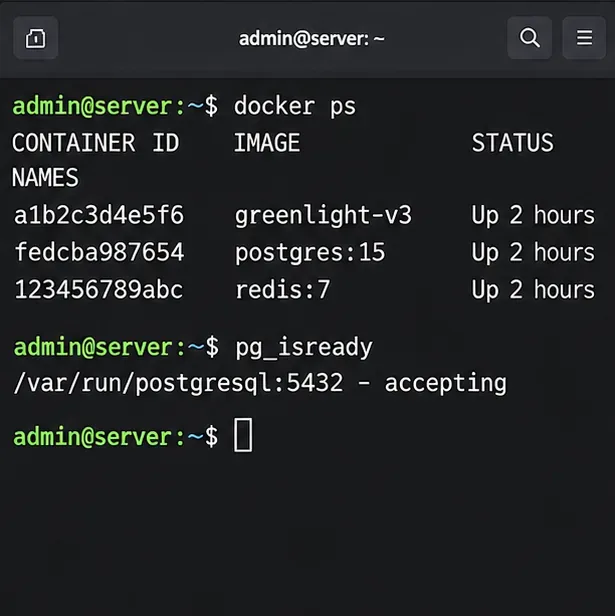
Trace a BigBlueButton Greenlight 500 error through application logs, PostgreSQL, Redis, environment settings, and Nginx without risking room data.
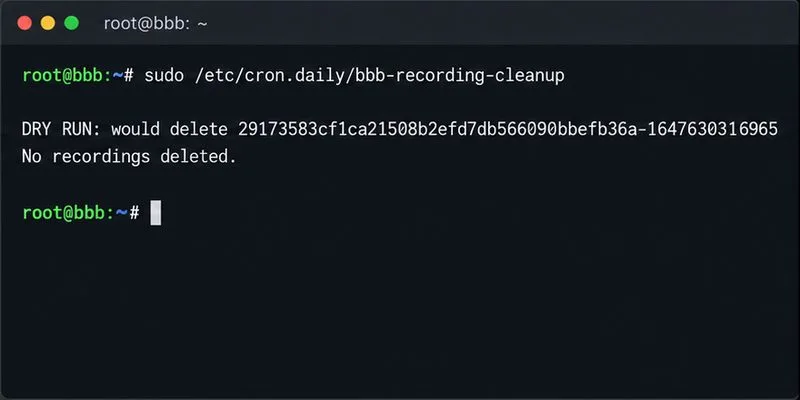
Preview which published recordings exceed your retention period, then schedule BigBlueButton cleanup with a logged daily script and a dry-run safeguard.
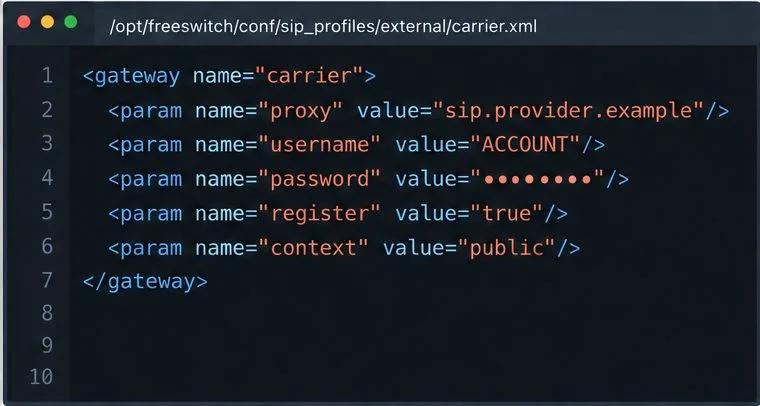
Trace FreeSWITCH REGISTER requests, correct gateway or network settings, and confirm that your BigBlueButton SIP trunk registers successfully.
Enable a Jitsi Meet background, troubleshoot missing controls, and reduce video lag on slower laptops without risky configuration changes.
Trace M_FORBIDDEN to room power levels, membership, or Synapse server-admin access, then restore only the permission the blocked action needs.
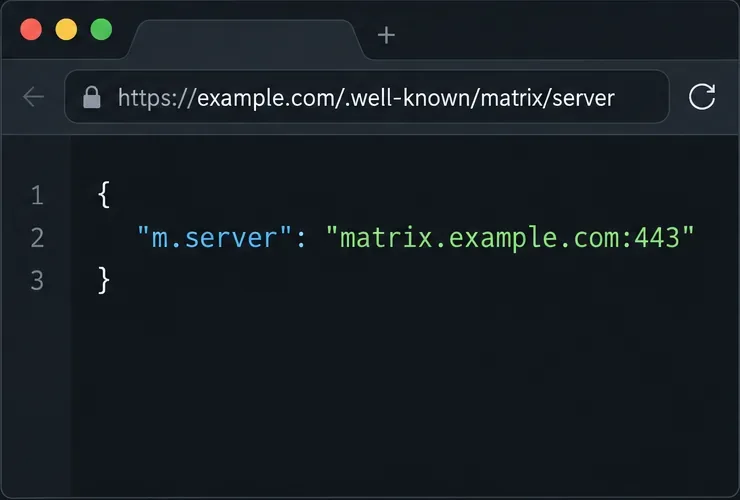
Configure Synapse discovery, HTTPS, and proxy routing so other Matrix homeservers can find and contact your server.
Configure a Keycloak OIDC client and Synapse provider so Element Web users can sign in through your identity server without exposing client secrets.
Save a recovery key, verify your Element sessions, and check that encrypted message keys can be restored without confusing backup with your account password.