How to update iPhone to the latest iOS version

Updating your iPhone software (iOS) is a good idea. Updates are available for free from Apple. They bring the latest features and security fixes to your iPhone. Here's how to update your iPhone to the latest version of iOS.

Backup iPhone before updating

Although problems during installation are rare, if they do happen, you will most likely lose your data.

So before you install an iOS update on your primary iPhone (or a phone with irreplaceable data), make it a habit to perform a backup first.

Update iOS from Settings

Nowadays, most people update their iPhone directly on the device without connecting it to a computer, this is called over-the-air installation.

To update your iPhone to the latest iOS, do the following:

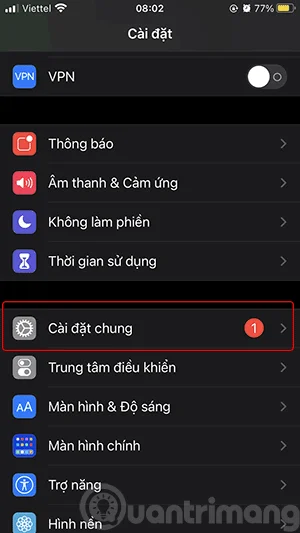
Step 1: Open Settings on iPhone > select General > Software Update :

How to update iPhone to the latest iOS version

Step 2: iPhone will check for updates, if there is a new update you will see information about the latest update, including the version number, update details. If iPhone has not downloaded the update, tap Download and Install and enter the password to unlock the device if required.

How to update iPhone to the latest iOS version

Step 3: Once the update download is complete, a message may appear asking if you want to install the update now or later. Tap Install Now , the update will then be verified.

How to update iPhone to the latest iOS version

Step 4: The verification process is complete, the iPhone will switch to the installation interface with the Apple logo and a small progress bar in the middle of the screen and restart.

How to update iPhone to the latest iOS version
The iPhone screen will turn white with a black Apple logo

Step 5: Complete the update. Enter your iPhone unlock password, agree to Apple's terms again, and start using the new iOS operating system version.

How to update iPhone to the latest iOS version
Update complete notification

Update iOS in Finder or iTunes

You can also update your iPhone using a wired connection to your Mac or Windows PC. On a Mac running macOS 10.15 or later, open Finder. On a Windows PC or Mac running macOS 10.14 or earlier, open iTunes.

Connect your iPhone to your computer using a Lightning-to-USB cable. If this is your first time connecting your iPhone to your computer, tap Trust in the prompt that appears, asking if you want your iPhone to “trust” the computer.

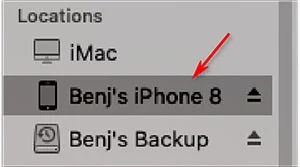
Locate your iPhone on your computer. In Finder, you'll see it on the left under Locations. Click it.

How to update iPhone to the latest iOS version
Locate iPhone on Computer

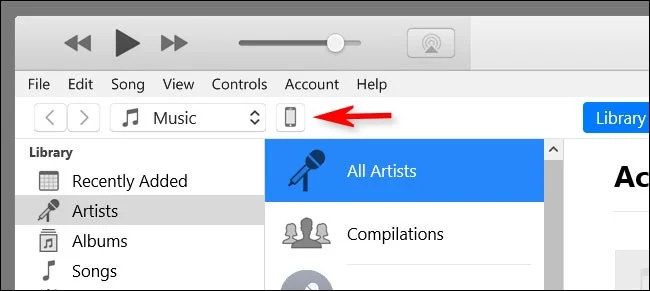
In iTunes , look for the small iPhone icon in the toolbar near the top, and then click it.

How to update iPhone to the latest iOS version
Find the iPhone icon

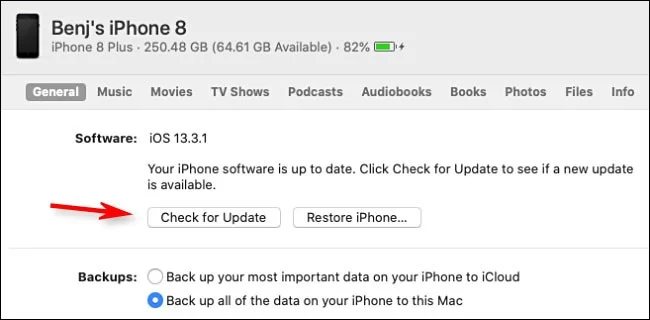
In the window that appears with your iPhone information, navigate to General (in Finder) or Settings > Summary (in iTunes). Click Check for Update .

How to update iPhone to the latest iOS version
Click Check for Update

If an update is available, click Download, then click Update. Enter your passcode if prompted. The update will be installed.

Make sure you have updated your iPhone to the latest version

Once your phone has finished updating, you can check to make sure you have all the latest updates installed.

On your iPhone, navigate to Settings > General > Software Update . If your device is fully updated, you'll see a screen similar to the one below, indicating that your software is up to date.

How to update iPhone to the latest iOS version
Your software is up to date.
See more articles below:

Good luck!

Leave a Comment

How to Convert Three-Phase Voltage, Current, kW, kVA, and Power Factor

How to Convert Three-Phase Voltage, Current, kW, kVA, and Power Factor

Learn the balanced three-phase formulas and convert line voltage, current, kW, kVA, and power factor step by step, with a worked example and limits to check.

Cap a Command’s CPU and Memory Use with Ubuntu cgroups

Cap a Command’s CPU and Memory Use with Ubuntu cgroups

Run a workload inside a systemd scope with CPUQuota and MemoryMax, then verify the limits through cgroup v2.

Encrypt Pi-hole Upstream DNS on Ubuntu Server 24.04

Encrypt Pi-hole Upstream DNS on Ubuntu Server 24.04

Set up dnscrypt-proxy as Pi-hole’s local DoH bridge on Ubuntu 24.04, with a localhost-only listener, resolver selection, and checks before switching DNS.

Get Ubuntu 24.04 Touchpad Gestures Working on Wayland

Get Ubuntu 24.04 Touchpad Gestures Working on Wayland

Check Ubuntu’s touchpad settings, confirm Wayland, and test GNOME’s built-in swipes before troubleshooting apps or hardware.

Build a Debian 12 RAID 1 Mirror with mdadm

Build a Debian 12 RAID 1 Mirror with mdadm

Create and verify a two-disk Debian 12 RAID 1 data array, format it safely, and configure it to assemble and mount after reboot.

Encrypt Debian 12 Swap with a Fresh Key at Every Boot

Encrypt Debian 12 Swap with a Fresh Key at Every Boot

Set up random-key encryption for an existing Debian 12 swap partition, verify the active dm-crypt mapping, and understand the hibernation trade-off.

How to Restrict SSH Users to Specific Directories on Ubuntu 24.04 (SFTP Chroot Guide)

How to Restrict SSH Users to Specific Directories on Ubuntu 24.04 (SFTP Chroot Guide)

Restrict Ubuntu 24.04 SSH accounts to designated SFTP folders with chroot, proper permissions, Match rules, and safe tests—without granting shell access.

Release Ubuntu’s APT Lock Safely and Finish the Update

Release Ubuntu’s APT Lock Safely and Finish the Update

Find which process owns Ubuntu’s dpkg frontend lock, let package work finish, and repair interrupted installations without deleting lock files.

How to Set Up Automated Btrfs Snapshots on Ubuntu Desktop

How to Set Up Automated Btrfs Snapshots on Ubuntu Desktop

Set up scheduled Btrfs system snapshots on Ubuntu Desktop with Timeshift, verify the Ubuntu subvolume layout, choose retention, and understand what snapshots cannot protect.

How to Migrate Debian 12 to Testing Without Breaking Dependencies

How to Migrate Debian 12 to Testing Without Breaking Dependencies

Plan a safer Debian 12 to Testing migration: upgrade through Stable, back up, clean APT sources, simulate dependency changes, and verify what changed.