Home
» Wiki
»
How to Use Visual Intensity in Adobe Firefly for More Detailed Images
How to Use Visual Intensity in Adobe Firefly for More Detailed Images
Adobe Firefly has a number of options that can be combined with your prompt to adjust the look and style of your AI image. But there is one option in Adobe Firefly called Visual Intensity that has the biggest impact on the amount of detail and complexity in the image. By default, Visual Intensity is set to 50%, which is why Firefly’s results aren’t always as detailed or impressive as you might expect.
This guide will show you where to find Visual Intensity in Firefly and how to adjust it. Then we’ll try out a few prompts to see how the Visual Intensity setting affects the results, including how to add more detail and drama to your images or create simpler, less detailed images when you need them.
How to access Adobe Firefly
To use Adobe Firefly's text to image converter, open a web browser and go to the Firefly website (firefly.adobe.com). Then, scroll down the page and select the text to image module.
You'll need a free, premium Firefly plan, or an active Creative Cloud subscription to use Adobe Firefly.
Where to find Adobe Firefly Visual Intensity option?
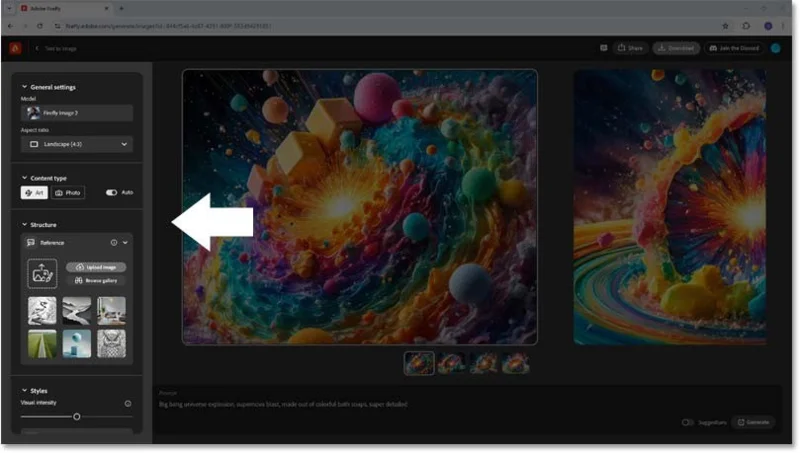
All of Adobe Firefly's options for adjusting the look and style of your image are located in the left column.
Adobe Firefly visual options.
The Visual Intensity slider is located in the Styles section . By default, the slider is set to the middle (50%).
Firefly's Visual Intensity Slider.
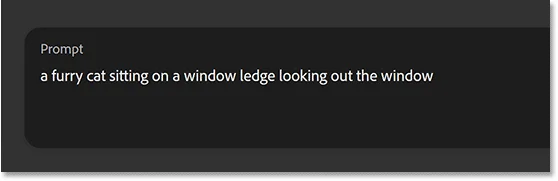
Enter prompt
To see how Visual Intensity affects Firefly's visuals, leave it at 50% to start and enter prompt.
Enter prompt in Adobe Firefly.
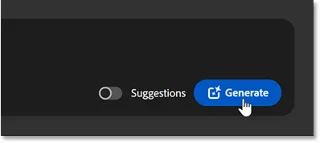
Then click Generate .
Click the Generate button.
Initial Firefly results
Adobe Firefly generates 4 images for you to choose from. With Visual Intensity at 50%, the initial results don't look too bad.
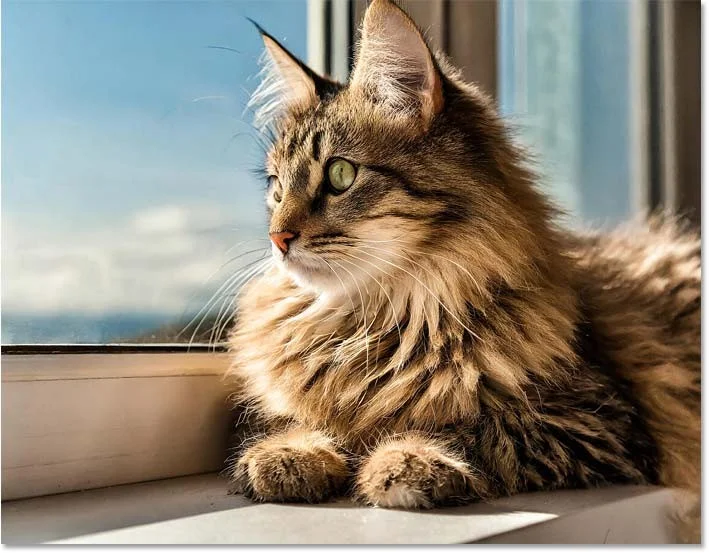
Here is one of the results. We have the cat sitting on the windowsill, looking out the window.
But this image is not very interesting. The cat looks realistic but the window is quite generic. Also, it is difficult to see what the cat is looking at through the window because everything outside is blurred.
One of the original Firefly results with Visual Intensity at 50%.
Reduce Visual Intensity to simplify the image
You can drag the Visual Intensity slider to the right to increase the amount of detail and complexity in Adobe Firefly's images.
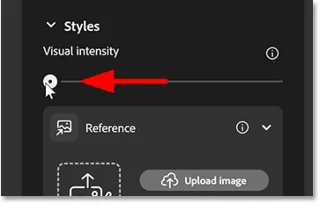
But before you do, reduce the Visual Intensity to its lowest setting by dragging the slider all the way to the left.
Reduce Visual Intensity in Adobe Firefly
Keep the prompt and click Generate again.
This time, with the Visual Intensity reduced, we get a result with even less detail than the original. The cat still looks good, but there's really nothing else going on in this image. The window is as simple as can be, and there's even less looking out into the open.
It’s important to note that Firefly’s Visual Intensity setting has nothing to do with the resolution of the image. Less detail does not mean lower resolution. In fact, the resolution doesn’t change. Instead, Firefly has created a simpler version of the image with fewer visual elements.
Adobe Firefly results with Visual Intensity are reduced.
Increase Visual Intensity for more detail
Now try increasing the Visual Intensity to its highest setting by dragging the slider all the way to the right.
Increase Visual Intensity setting in Adobe Firefly
Again, keep the prompt and click Generate .
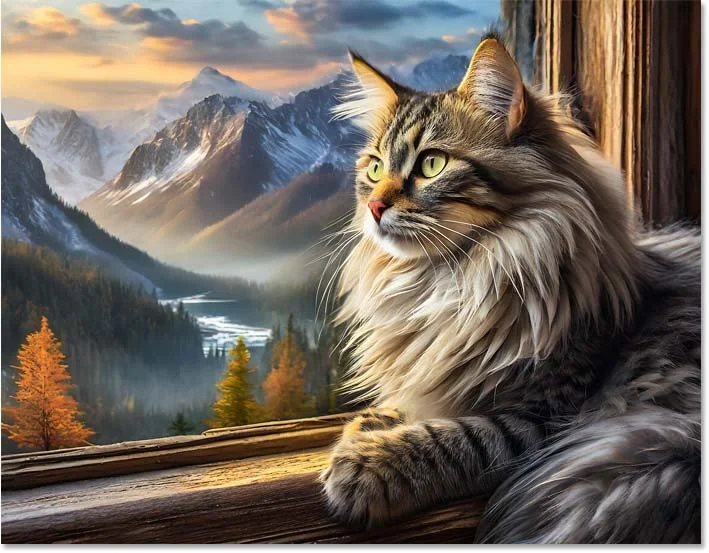
This time, with Visual Intensity increased, Firefly produces more interesting and impressive results. In this example, the window is more detailed, there is a mountain landscape scene outside that wasn't there before, and the lighting is even better.
So again, it’s not a matter of increasing the resolution. All three results we looked at are at the same resolution. The difference is that a higher Visual Intensity setting adds a whole new level of complexity to Firefly’s image.
Adobe Firefly results with Visual Intensity increased.
Second example of Visual Intensity
Let's take a look at a few quick examples of how Firefly's Visual Intensity settings impact results.
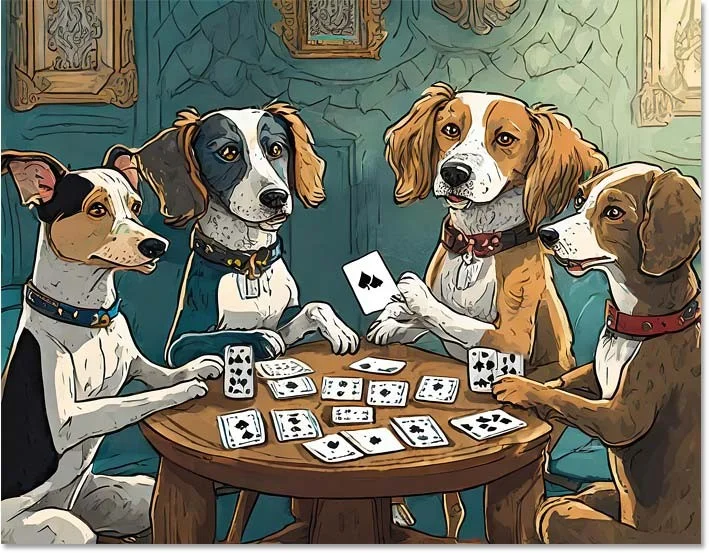
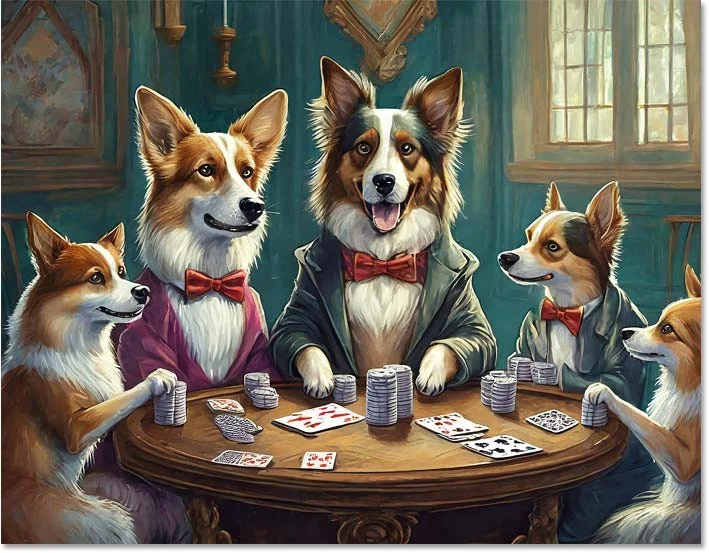
For the second prompt, the post will experiment with an image of several dogs sitting around a card table.
This time, Firefly decided to create an image that looks more like a painting or illustration, which is fine. This article will show you how to change that in a moment. But with Visual Intensity at 50%, the image definitely doesn't look very detailed.
Second prompt, Visual Intensity at 50%.
However, with Visual Intensity reduced, Firefly creates an even less detailed and much simpler version of the image.
In fact, it's almost like we've downgraded Firefly's intelligence here since we now have cards taped to the wall in the background.
Second prompt, set Visual Intensity to lowest.
But with Visual Intensity at the highest setting, the result looks much more detailed and complex. This image is much closer to the result the author originally expected.
Prompt, set Visual Intensity to highest.
Adobe Firefly Content Type Options
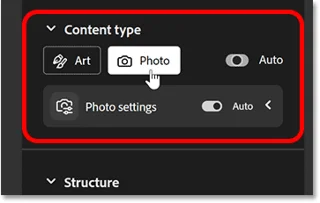
Another way to get more detailed results is to set Firefly's Content Type option to Photo. By default, this option is set to Auto, allowing Firefly to choose between Photo or Art.
For example, I would select Photo , then click Generate again.
Set Content Type in Adobe Firefly to Photo.
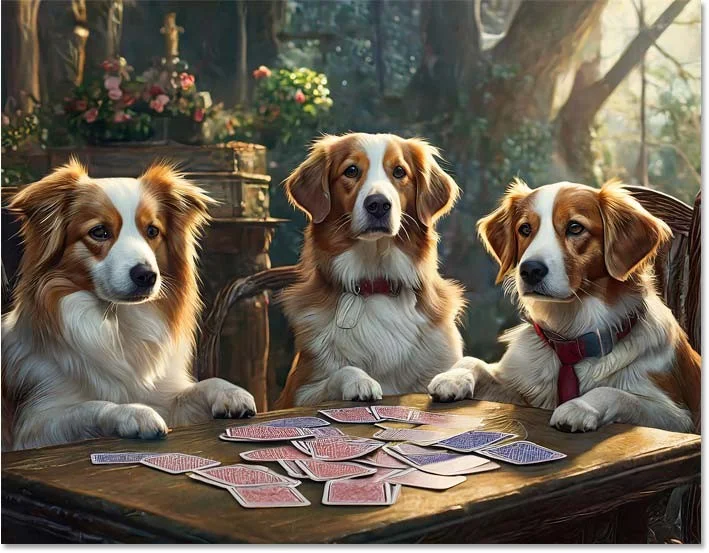
This time, instead of the result looking like a painting, Firefly creates a much more realistic image.
Same prompt, same Visual Intensity setting, Content Type set to Photo.
The Ultimate Visual Intensity Example
Let's look at one more example of how Visual Intensity affects results.
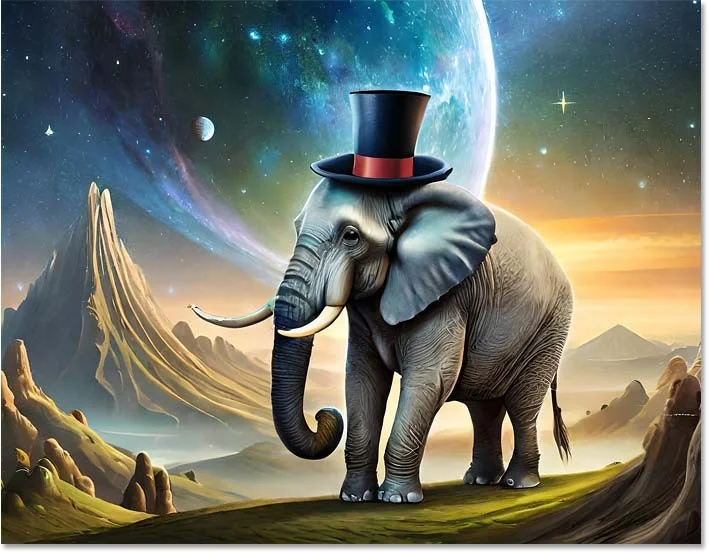
For the final prompt, the author will enter the content of an elephant wearing a top hat in an alien world.
With Visual Intensity at 50%, the results look pretty good. We have an elephant, he's wearing a top hat and he's definitely on some alien planet.
Third prompt, default Visual Intensity settings.
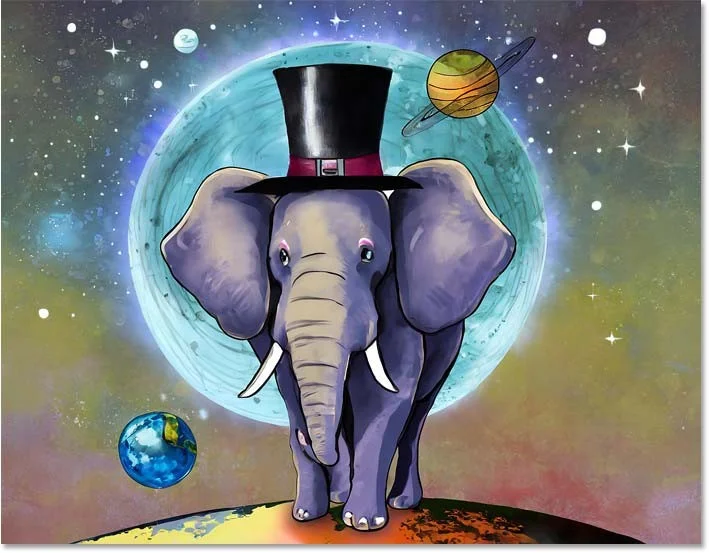
Compared to Visual Intensity at the lowest setting, the result is very simple, maybe in a children's book. Of course, if that's the look you want, this result is great.
Third prompt, lowest Visual Intensity.
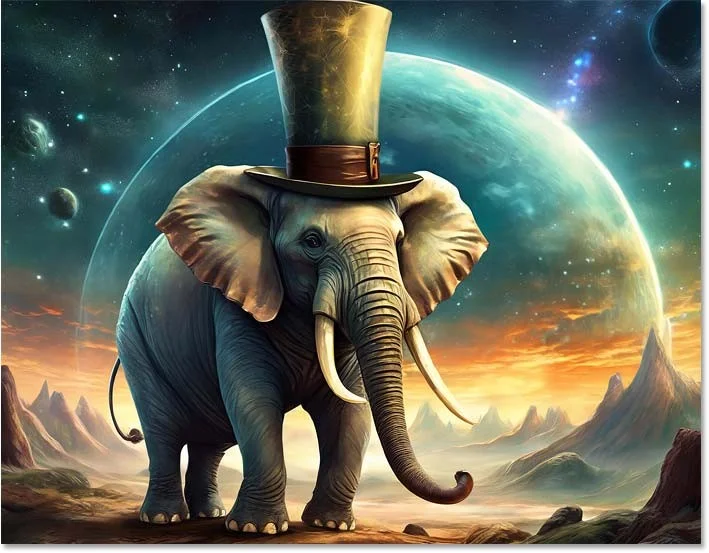
But by increasing the Visual Intensity to the highest setting, we get a much more detailed and impressive result. The elephant's hat in this photo is fine, and the whole image looks great.
Third prompt, highest image intensity.
That's how to control the amount of detail and complexity in your images using the Visual Intensity slider in Adobe Firefly!