Make Realistic Fake Blood Without a Cleanup Surprise

Mix a glossy prop-only fake blood batch, choose safer products for skin and costumes, and test cleanup before Halloween night.
The International Space Station (ISS) will be destroyed by billionaire Elon Musk's SpaceX corporation when it stops operating in 2030.
The ISS will deorbit over the next 12 to 18 months, drifting out of its normal orbit, 400 kilometers above Earth. SpaceX’s re-entry vehicle will then push the capsule into Earth’s atmosphere, where it will burn up and fall into a watery grave in the South Pacific.
NASA will spend $843 million for SpaceX to develop a ship (not including launch costs) designed to pull American modules on the ISS.
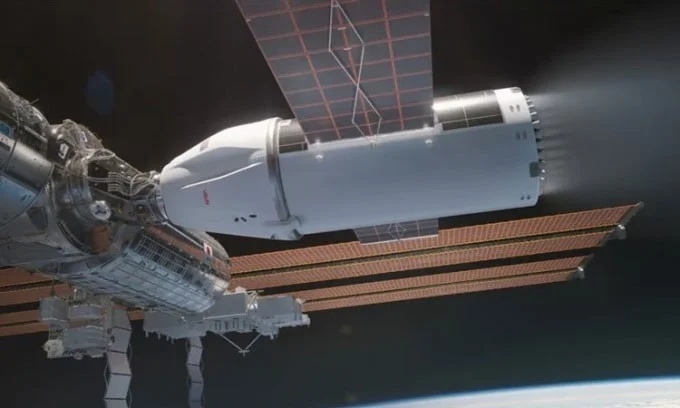
The suborbital craft is based on the company’s Dragon spacecraft design, which has been carrying cargo to the ISS since 2012 and carrying crews to the station since 2020. The hull of the craft will be upgraded and equipped with additional propellant tanks along with engines, avionics, power generation units, etc. to perform complex missions.
Russia will stay on the ISS until at least 2028, while most other co-operating countries have committed to operating it until 2030. NASA officials have stressed that the timing of the ISS's decommissioning depends on when a commercial replacement will be ready.
Currently, a number of companies are building commercial stations, such as Axiom Space, which plans to launch modules to the ISS before separating and flying freely, forming the Axiom station.
Billionaire Musk's SpaceX takes on the job of destroying the ISS
On June 26, 2024, the US National Aeronautics and Space Administration (NASA) announced that a spacecraft belonging to billionaire Elon Musk's SpaceX corporation will destroy the International Space Station (ISS) when it stops operating in 2030.
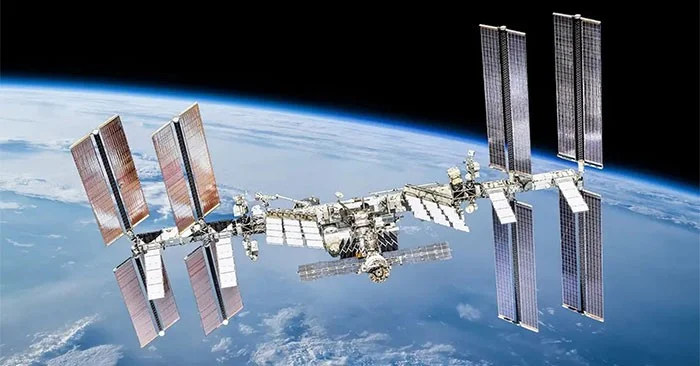
Since 2000, astronauts have lived and conducted scientific experiments on the ISS. The ISS is about the size of a football field and has six sleeping quarters, two bathrooms, a gym and 360-degree observation windows.
But the ISS is aging and has tiny leaks. NASA spends $4 billion a year to operate the ISS, so the agency is looking to privately built space stations as a cheaper alternative.
The ISS's operational life could be extended beyond 2030, but this has not been decided and requires agreements with international partner agencies.
Mix a glossy prop-only fake blood batch, choose safer products for skin and costumes, and test cleanup before Halloween night.
Create a gentle Halloween look with pastel colors, friendly ghosts, easy no-carve accents, and practical safety tips for your home.
Create a spooky office cubicle with Halloween desk decor ideas that keep your workspace usable, tidy, and mindful of workplace safety.
Plan a recognizable Halloween 2026 look with pop culture costumes inspired by Spider-Man, Supergirl, Toy Story 5, Moana, Mario, and Wednesday.
Sort leftover Halloween candy safely, share or repurpose sealed treats, and choose food use or compost for pumpkins based on their condition.
Compare workplace Halloween costume choices by respect, dress code, mobility, and safety—and learn when a subtle accessory or a policy check is the better option.
Find a couples costume that fits your style, budget, and comfort level, from Addams Family classics to original inside-joke duos.
Need a last-minute high school Halloween costume? Compare 10 easy closet-based ideas by prep time, comfort, school-day practicality, and simple safety checks.
Use a simple 2026 Halloween decorating timeline for indoor décor, outdoor displays, and fresh pumpkins, with practical adjustments for weather and events.
Mix five vivid, approachable Halloween cocktails with measured recipes, simple prep tips, and an alcohol-free option for your party guests.