
Would Europe Be Drawn into a Hypothetical U.S.-Israel-Iran Nuclear War? NATO Rules Explained
A guide to NATO Articles 4 and 5, UN self-defense rules, and why consultation does not mean automatic European entry into war.
Photos or bitmaps are a common type of layer in Sketch graphics software. The image usually takes many forms such as screenshot (screenshot) or photograph (photograph). In the Sketch app, you cannot edit or manipulate images as easily as with vector shapes .
Although not strictly necessary, users can still convert any layer in Sketch into an independent bitmap. Choose Layer > Flatten Selection to Bitmap in the menu to get started.
When working in Sketch, you often add photos to your designs. It could be a photo taken with specialized equipment or a screenshot. The more things you add to your design, the bigger and more complex the file is.
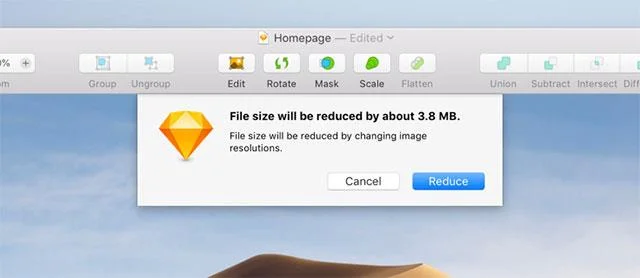
As the overall file size increases, Sketch will take a long time to preview each part. That is why you need to resize the image before putting it into the canvas. Choose Layer > Image > Minimize File Size in the menu. Sketch will optimize the image to improve your performance.
It is not difficult for you to change photos in Sketch. Just select the image, then click Layer > Image > Replace ... and then select the new replacement image from the dialog box. This method will retain the style characteristics and image size. Alternatively, you can press Control + Click on the image and select Replace Image ... from the shortcut menu.
If you want the image to return to its original size, choose Layer > Image > Set to Original Dimensions.
Sketch users can add random images to the shape layer using the dataset from the Data menu. After selecting the layer, for example, selecting Faces from the menu, the randomly selected header will appear on this layer. Or we can select random data when pressing the shortcut Shift-Command-D.
Sketch provides some basic bitmap editing features so you can use it right away without the need for third-party tools.
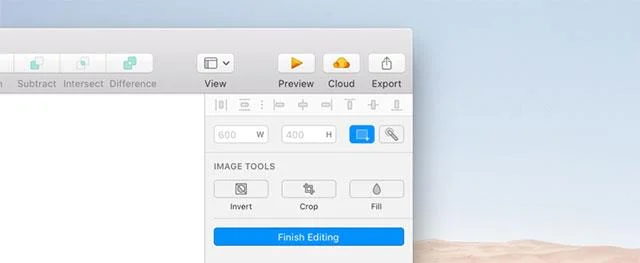
To edit an image, select it on the canvas and double-click. Inspector will update and display the 2 tools respectively. First you have to select an area on the canvas, then select the corresponding tool:
Note that we can hold down the Shift key to add the existing selection, use the Option key to exclude. After selecting the area, users will easily cut or copy that area, use for new bitmap layer or choose one of two options of Inspector:
Once done, click outside the image or press Return or Escape to exit.
If you want to process image colors, use the Color Adjust panel in the Inspector. Here, Sketch allows changing colors, saturation, brightness and contrast very quickly, simply.
Note: this is a temporary effect if you can change these values again at any time.
Above is a simple photo editing tutorial in Sketch. If you want to process more in depth, you can edit photos with PhotoShop , GIMP ... before putting in Sketch to get the best results.
A guide to NATO Articles 4 and 5, UN self-defense rules, and why consultation does not mean automatic European entry into war.
Assess claims about Iran in six steps, distinguishing uranium enrichment, weapons development and verified possession.
Understand nuclear decision authority in six steps, including US civilian control and the limits of public information about Israel.
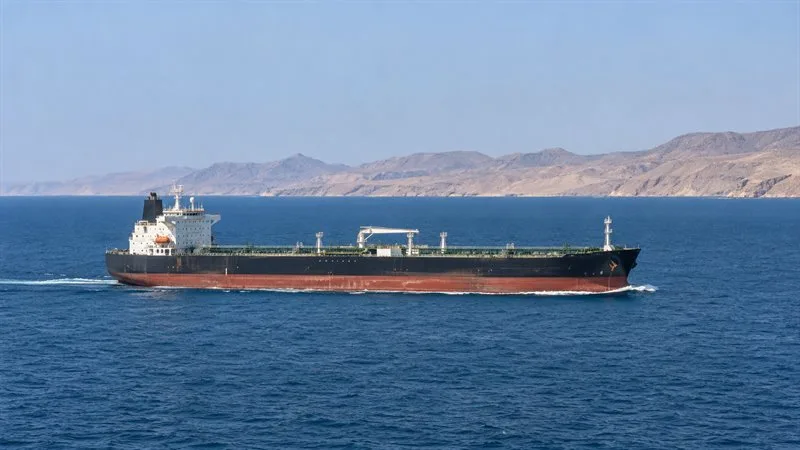
A guide to official 2026 evidence on Hormuz shipping disruption, Iran-related claims, confirmed incidents, and what remains uncertain.
A source-based guide to nuclear escalation risks, UN Charter rules and NATO Article 5 in a strictly hypothetical Iran scenario.
Use five steps to prepare for an outage; nuclear and EMP scenarios are hypothetical, and official shelter instructions come first.
Use 5 defensive steps to verify a cyber disruption, protect household accounts, and avoid mistaking an outage for war.
Use these 5 steps to assess climate effects from a hypothetical Iran strike, compare model assumptions, and avoid unsupported predictions.
Explore six steps for reading research on climate, food and ecosystem recovery after a hypothetical nuclear conflict.
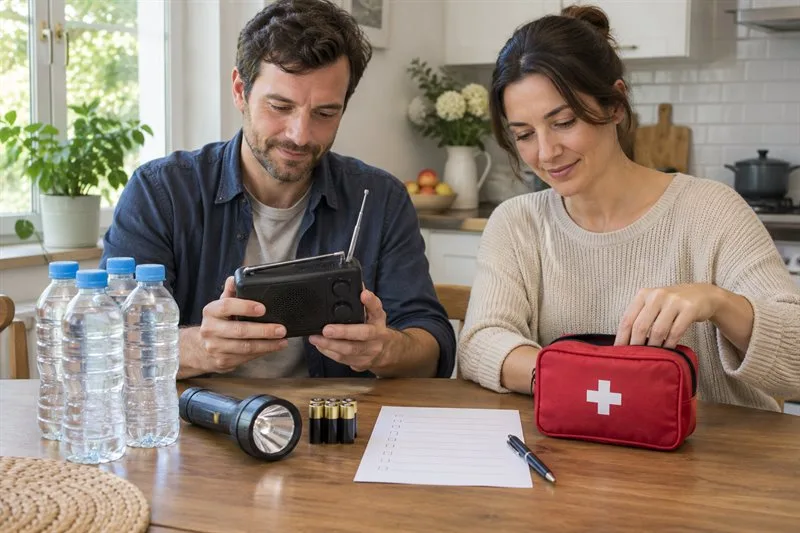
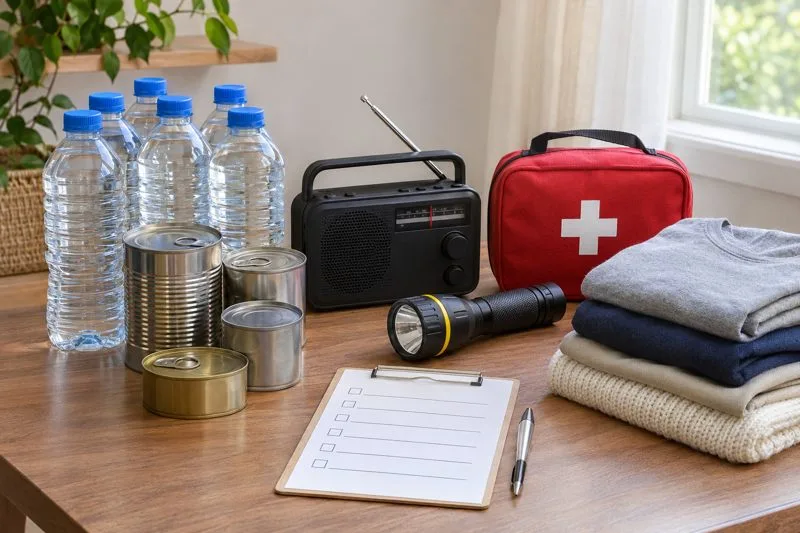
Build a practical fallout preparedness kit in six steps, with sealed food and water, a radio, medical supplies and shelter guidance.