Keep Debian 12 Security Updates Running on a Headless Server
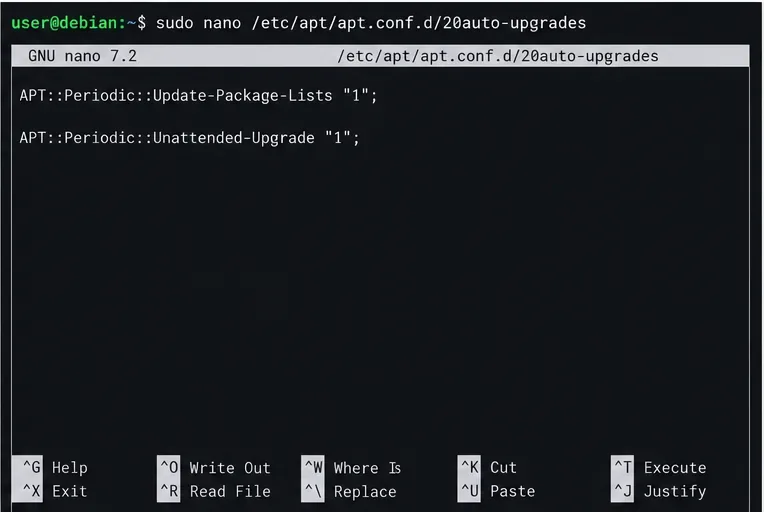
Enable Debian’s unattended security updates over SSH, keep the default package sources, and verify scheduled runs through systemd and APT logs.
While using your phone, you can always find interesting conversations, pictures that you want to share with your friends. This is easy with 1 or 2 screenshots. However, what will you do if you want to send your friends a long conversation, or an image of an entire website?
Instead of bombarding your friend’s messages with dozens of screenshots, you can take a scrolling screenshot and send it. Scrolling screenshots capture one long image that looks like multiple screenshots put together. While it may seem difficult, scrolling screenshots are easier than you think. It will save you time and energy.
Use built-in features on Android 12
Taking screenshots is one of the core features of any operating system, and Android is no exception. However, it wasn't until Android 12 that Google's mobile operating system started supporting scrolling screenshots.
This is a simple but extremely useful feature when you want to record a long conversation, or the entire content of an entire website into a single screenshot, instead of having to take screenshots of your Android phone multiple times as usual.
Starting with Android 12 Beta 3, you can take scrolling screenshots of most apps. Note that this feature doesn't currently work with web browsers like Google Chrome, but the issue will surely be addressed in future updates.
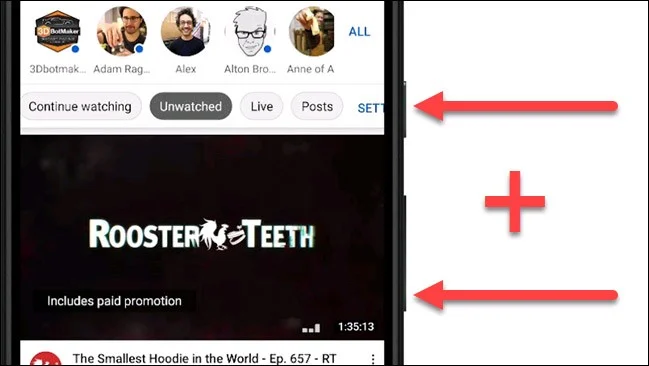
To take a scrolling screenshot on an Android device running Android 12 or later, you first need to be in an app that supports vertical scrolling to see the content on the screen, such as YouTube in this example. Next, press the Power and Volume Down buttons on the side of the device at the same time until you see the screen flash.
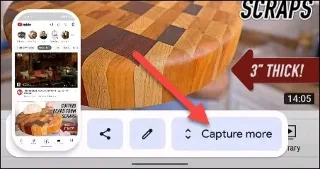
Next, tap “Capture More” from the screenshot preview menu. If the app doesn’t allow scrolling screenshots, this “Capture More” button won’t appear.
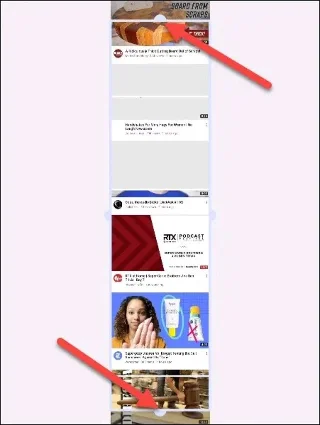
Android will automatically create a long, vertical screenshot (a scrolling screenshot). At the same time, you will be taken to an interface where you can crop the screenshot. Select the area of the screenshot you want to use.
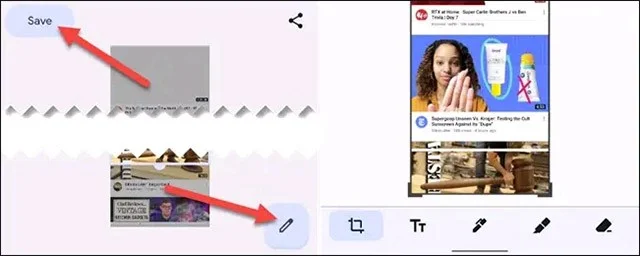
Once you've made your selection, you can tap “Save” to save the screenshot or the pencil icon to make further edits, such as drawing, annotating, or adding text on the screenshot.
Using the app
LongShot for Long Screenshot App
A great app for capturing scrolling screenshots is LongShot for Long Screenshot. It’s completely free and easy to use. When you open the app, you’ll see options for Select Images, Capture Web Page, and Capture Screenshot.
With the " Capture Screenshot " option , the app will capture all the web pages you visit. As for the " Capture Web Page " option, you need to enter the URL of the web page you want to capture the scrolling screen.
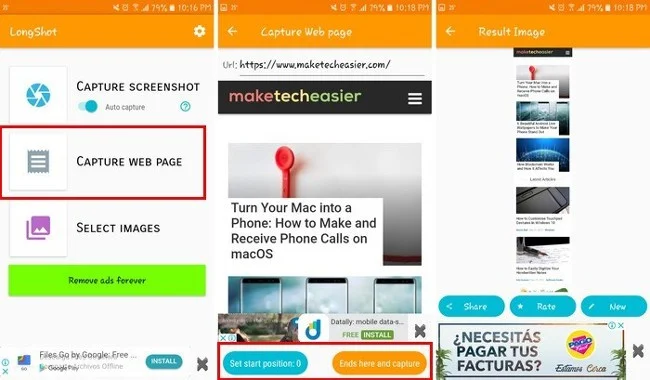
After entering the page address, you can choose the starting and ending points for the image you want to capture. Select the “ Set Start Position ” button to start and select “ Ends Here and Capture ” to end and capture the image. The app will then display a preview of the image along with the options to share and new . Once done, you can go to the gallery and view the captured image.
Stitch & Share App: Big Screenshot
Stitch & Share: Big Screenshot has more features than LongShot for Long Screenshot. In addition to having a beautiful design, it also allows you to crop and draw on images before sharing them with others. If you use the free version, you only have two colors to draw. To use more colors, you need to upgrade to Premium.
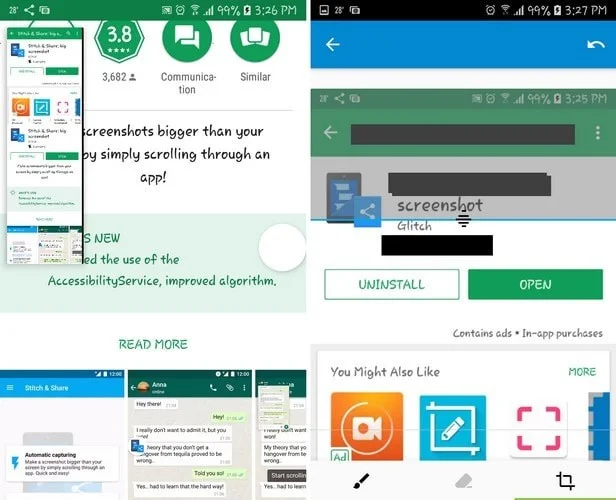
The app allows you to create straight lines to cut out any information from the captured image. However, its downside is that it can only create horizontal lines and you can only draw on the captured image when stitching together previously captured images.
Once the images are stitched together, you'll see a brush icon in the top right with two default color options: black and yellow. Black is good for erasing sensitive information, while yellow is good for highlighting information.
Stitch & Share lets you combine multiple images, multiple screenshots, into a single image. The app can combine multiple GIFs, but will display them as images. To capture websites, select Automatic Capturing and open any page you want to capture.
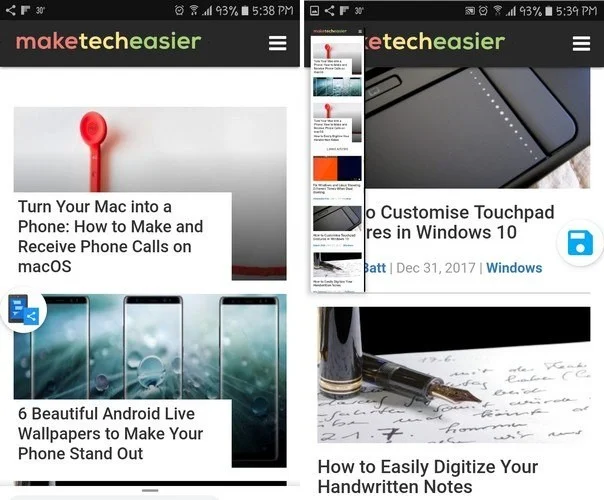
Once the website is open, tap the floating button icon on the screen and then slowly scroll through the website. A preview of the captured image will appear in the top left corner of the screen. When finished, tap “ Save ” and the image will be automatically saved to your device’s gallery.
Conclude
Scrolling screenshots are great for saving space on your device. It also saves you time viewing everything on one image without having to swipe multiple times.
See also:
Enable Debian’s unattended security updates over SSH, keep the default package sources, and verify scheduled runs through systemd and APT logs.
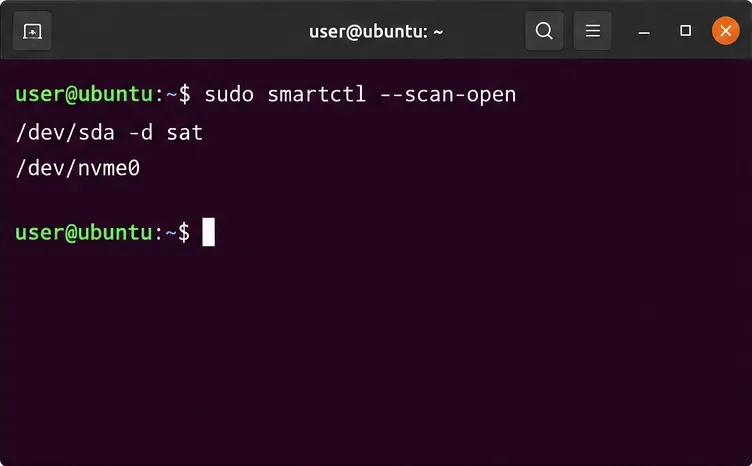
Compare mail delivery options, configure smartd on Ubuntu, and verify that disk-health warnings reach your inbox.
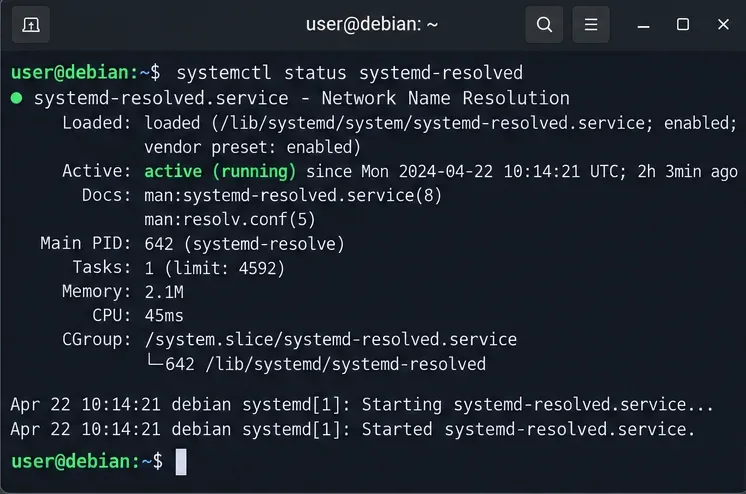
Restore DNS lookups on Debian 12 by checking systemd-resolved, repairing resolv.conf when needed, and verifying upstream DNS and application resolution.
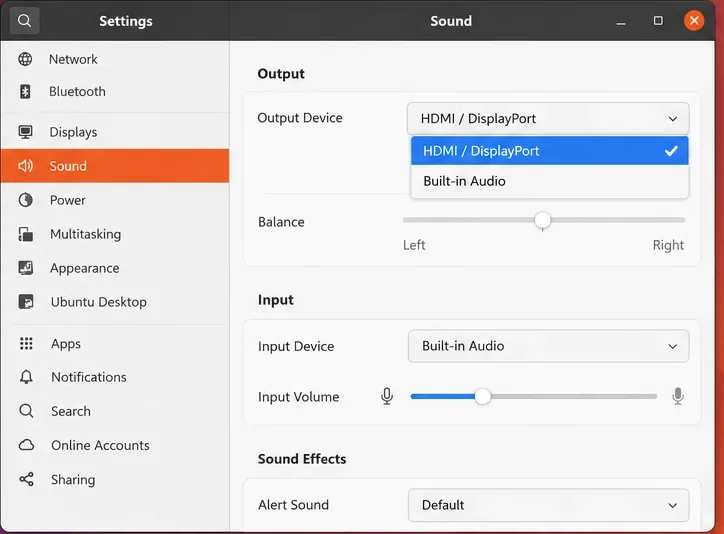
Get Ubuntu to detect your monitor or TV as an audio output, select it in Sound settings, and check the connection or PipeWire device list if HDMI is missing.
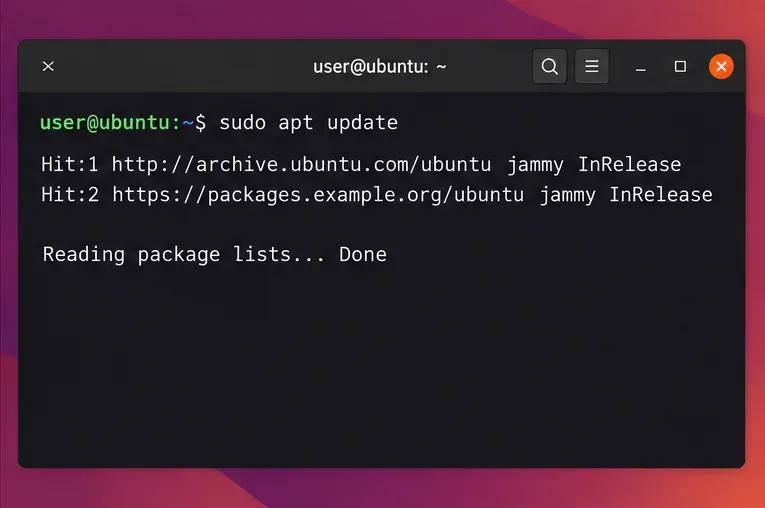
Resolve Ubuntu APT signature warnings safely by identifying the failing source, refreshing its verified key, and checking the result without disabling security.
Learn the balanced three-phase formulas and convert line voltage, current, kW, kVA, and power factor step by step, with a worked example and limits to check.
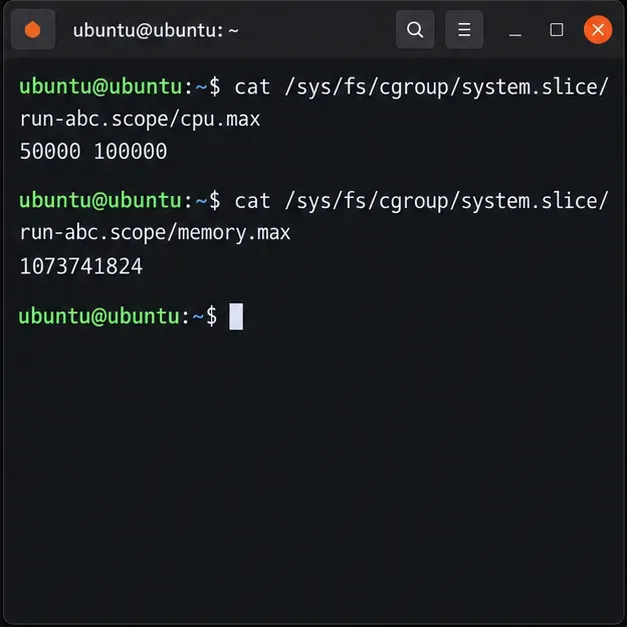
Run a workload inside a systemd scope with CPUQuota and MemoryMax, then verify the limits through cgroup v2.
Set up dnscrypt-proxy as Pi-hole’s local DoH bridge on Ubuntu 24.04, with a localhost-only listener, resolver selection, and checks before switching DNS.
Check Ubuntu’s touchpad settings, confirm Wayland, and test GNOME’s built-in swipes before troubleshooting apps or hardware.
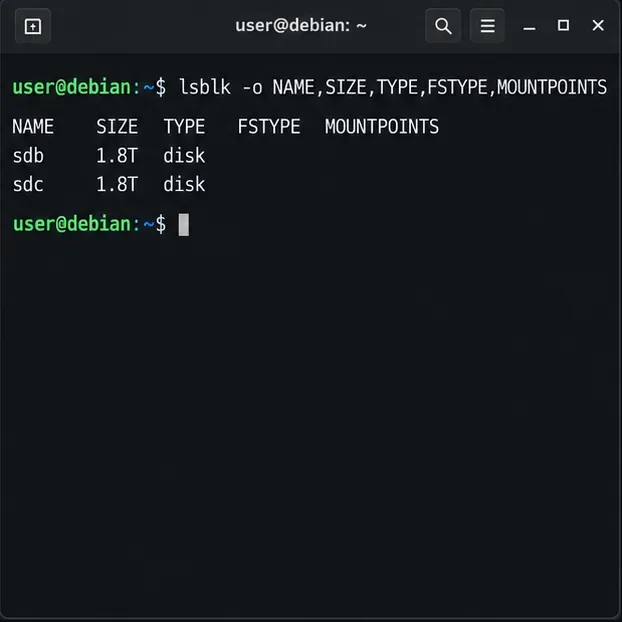
Create and verify a two-disk Debian 12 RAID 1 data array, format it safely, and configure it to assemble and mount after reboot.