Home
» Today
»
Japan Data Breaches at Major Firms: What Users Need to Know
Japan Data Breaches at Major Firms: What Users Need to Know
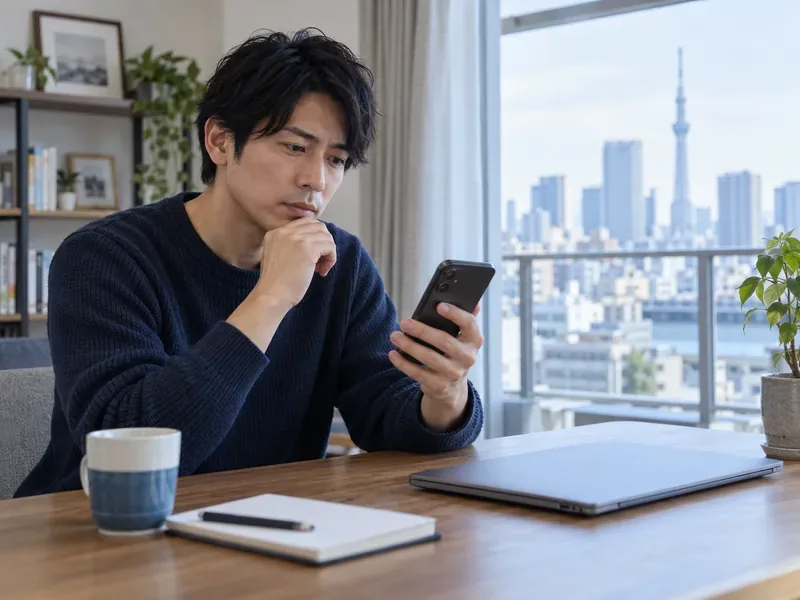
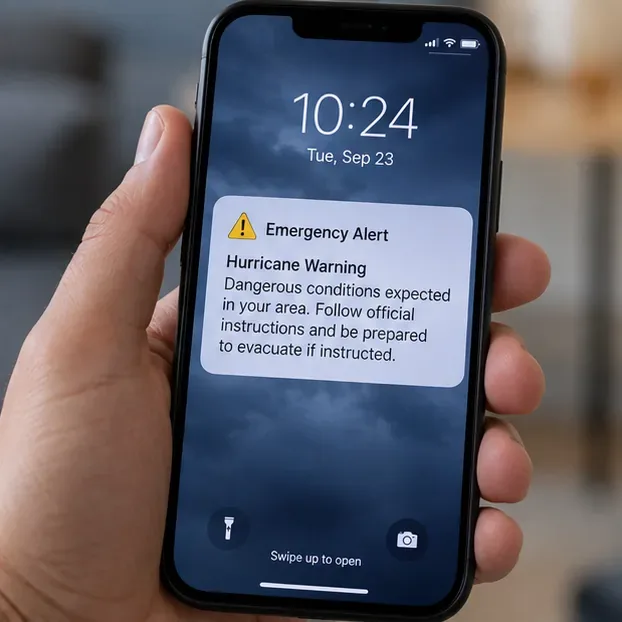
A Tokyo resident checks a phone at home, a reminder to verify account alerts through the service’s official app or website.
Updated October 11, 2026. Japan’s recent breach headlines describe several separate incidents, not one attack affecting every customer of a named company. The practical response is to identify whether your account appears in an official notice, understand which fields may have been exposed, and secure the accounts that reuse those details. A company’s confirmation that no misuse has been detected so far is useful, but it does not make exposed contact information harmless.
Quick check: what should you do first?
If this applies to you
First action
You have an account with a named company
Open the company’s official app or type its known website address yourself. Check its incident notice and account inbox.
You reused that password elsewhere
Change it on every account where it was reused, starting with email, banking, shopping, and mobile accounts.
You received a breach-related email or text
Do not use its link or phone number. Verify the message using contact details on the official site.
You see an unfamiliar transaction or login
Contact the bank, card issuer, or service through its official channel and follow its fraud-reporting steps.
What is confirmed so far?
A concrete example in the current news cycle is Lawson’s October 8, 2026 disclosure. The company said unauthorized access affected its Lawson ID service between September 12 and 14 and its Lawson App Reservation service on September 17. Lawson reported 2,155,345 affected Lawson ID records. The reported fields include email addresses and names; gender, phone numbers, addresses, and email-newsletter preference information were involved where people had entered them, such as for promotions. A separate group of 26 reservation records included names, phone numbers, and part of a credit-card number. Lawson said it had not identified misuse or secondary harm tied to the incident at the time of its notice. Read the company’s official Lawson incident notice for the exact Japanese-language details.
That is different from Lawson’s separate October 1 notice about misuse of its email server. Lawson estimated about 700,000 suspicious emails were sent during a late-September period and said it had not confirmed personal-information leakage from that email incident. It warned recipients not to open links or attachments, pay money, or enter personal details. The company’s English email-server notice makes clear why headlines and inbox messages should be checked against the specific incident: “a company was involved in an incident” does not automatically mean customer data was stolen in that same incident.
Japan’s Financial Services Agency also issued an October 9, 2026 notice to financial institutions describing recent unauthorized access to customer-facing services and business systems, including incidents involving images of identity documents. Its notice is directed to financial firms, but it signals why exposed identity-document images deserve more caution than an email address alone. It does not establish that every person in Japan has been affected. See the Financial Services Agency’s October 9 cybersecurity notice.
Why the exposed fields matter
A name and email address can make a fraudulent message more convincing. Add a phone number or address and a criminal can tailor a text, call, or delivery scam with enough personal detail to sound credible. If a password was exposed, the main danger is password reuse: attackers may test the same email-and-password combination on unrelated services. A partial card number is not the same as a full card credential, but monitor the card and follow the issuer’s advice if the company or bank contacts you.
An identity-document image, account recovery detail, or government identifier can carry a longer risk window. Ask the affected organization what kind of document was involved, whether the image included its reverse side or machine-readable data, whether it was downloaded or only accessible, and what protective steps it recommends. Avoid sending a replacement document or additional personal details to anyone who contacts you unexpectedly.
Account security checklist
Confirm the notice independently. Use the company’s official app, bookmark, or a website address you already know. Check that the notice names the service, incident dates, affected information, and customer support route.
Change exposed or reused passwords. Create a unique password for each account. If you cannot tell whether a password was part of the incident, changing a reused one is a sensible precaution. Begin with the email account used for password resets.
Turn on multifactor authentication. Prefer a passkey or security key where offered; otherwise use an authenticator app or the service’s strongest available option. Never approve an unexpected sign-in prompt or share a one-time code with a caller.
Check recovery settings and sessions. Review recovery email addresses, phone numbers, trusted devices, recent sign-ins, and active sessions. Remove anything you do not recognize and update recovery details if they are outdated.
Watch financial activity. Review bank and card transactions, payment apps, and account alerts more frequently for a while. Report unauthorized activity promptly using the number or secure contact method printed on the card or listed in the official app.
Keep evidence of suspicious contact. Save the message, sender information, date, and any transaction reference. Do not forward suspicious links to friends or enter credentials to “check whether your account is affected.”
How to recognize a breach-themed phishing message
After a public disclosure, scammers may impersonate the affected company, a bank, a delivery service, or a government office. A message can use accurate company names and public incident details without being genuine. Be cautious if it pressures you to act immediately, asks you to confirm a password or one-time code, requests payment, or sends you to a shortened or unfamiliar web address. Lawson itself cautioned that some suspicious emails tied to its separate mail-server incident used spoofed sender addresses, so the displayed sender alone may not settle whether a message is authentic.
Open a fresh browser window and sign in through the service’s official app or manually entered address. If the alert is real, the organization should be able to confirm it through an authenticated account notice or a published support channel. Japan’s FSA and other financial-sector bodies have also promoted phishing-resistant multifactor authentication and public phishing education; see the FSA and industry guidance on phishing-resistant MFA.
What a breach notice can—and cannot—tell you
Look for four details: the affected product or system, the period of unauthorized access, the exact categories of data involved, and the company’s recommended actions. “No misuse has been confirmed” describes the investigation’s status at that time; it is not a guarantee that the data cannot be misused later. Likewise, an estimated number of records is not always the number of unique people, and one person may have several records. Do not assume that an incident at a parent company or brand includes every subsidiary, service, or user.
Japan’s Personal Information Protection Commission explains that public announcement is not universally required in every data-leak case, although it may be desirable depending on the incident. That means the absence of a prominent headline does not prove no exposure occurred. Check the relevant service’s own notice page and contact support if you need to confirm your status. The Commission’s FAQ on public disclosure of personal-information incidents describes the general rule.
When to escalate
Contact your bank or card issuer immediately for unauthorized transactions, changed account details, or a suspicious attempt to open a financial account.
Contact the affected company if the notice says you are directly affected, if you need to know which information was involved, or if you cannot access the account safely.
Use local police or the relevant consumer-protection channel if you experience identity fraud, extortion, or financial loss. Keep copies of notices and communications.
For work accounts or identity documents, notify your employer, school, or issuing organization through a verified channel. They may have specific procedures that individuals cannot initiate themselves.
Bottom line
For users, the useful response to Japan’s major-firm data-breach reports is targeted account hygiene, not panic. Confirm whether a notice names your service and data type; replace reused passwords; enable strong multifactor authentication; monitor financial accounts; and treat unsolicited breach-related messages as untrusted until verified independently. Recheck the company’s official notice for updates, because the investigation and affected-data description can change as evidence is reviewed.