Restore Bluetooth Headset Microphone Input on Ubuntu 24.04

Get your Bluetooth headset mic working by selecting the right input, using a hands-free audio profile, and checking Ubuntu’s PipeWire route.
When Microsoft announced Windows 11 more than three years ago, it was immediately met with controversy. Not only because of its unconventional interface, but also because of its high hardware requirements, which meant that many systems still might not be able to run Windows 11 properly. One of those requirements was TPM 2.0, and Microsoft recently reminded everyone why this security chip is so important.
If you don't know, TPM 2.0 can be a dedicated hardware chip or firmware built into your PC's motherboard. TPM stands for Trusted Platform Module, which is the component responsible for storing encryption keys, passwords, certificates, and other sensitive data.
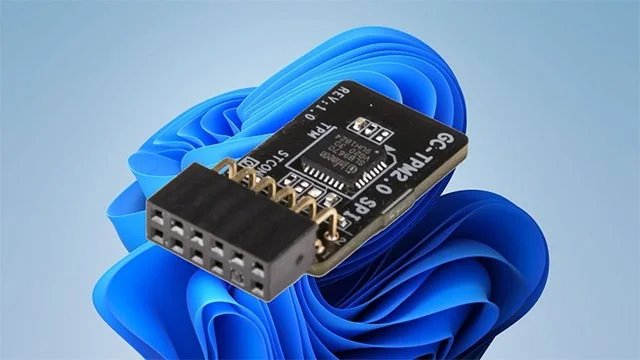
Unlike the previously popular TPM 1.2, the new version 2.0 works with additional features like Secure Boot (another Windows 11 requirement) and Windows Hello. However, Microsoft admits that implementing it requires “a fundamental change to the system,” in other words, buying new hardware:
While implementation may require changes to your organization, TPM 2.0 represents an important step toward more effectively combating today's complex security challenges.
As for the actual benefits of using TPM 2.0, Microsoft cites better encryption standards, which separate encryption and storage processes from the main processor, and better integration with additional Windows 11 security features like Credential Guard and Windows Hello for Business. TPM 2.0 is also used for BitLocker encryption keys (with Windows 11 version 24H2, BitLocker is enabled by default for all users), Secure Boot, which ensures the operating system you try to boot into hasn't been tampered with, and multi-factor authentication.
Microsoft reaffirms that TPM 2.0 is an essential tool to combat today's security risks and keep your data safe in the future. The company even calls Trusted Platform Module 2.0 a "non-negotiable standard" for the future of Windows, so don't expect Microsoft to lower Windows 11's hardware requirements just to get more users to upgrade their systems from Windows 10 to 11.
In short, TPM 2.0 is more than just a recommendation—it's essential to maintaining a secure Windows environment and adapting to future gadgets.
Get your Bluetooth headset mic working by selecting the right input, using a hands-free audio profile, and checking Ubuntu’s PipeWire route.
Learn why Flatpak apps may ignore Ubuntu 24.04 GTK themes and follow safe steps to check theme extensions, refresh Flatpak apps, and diagnose portal issues.
Install Ubuntu 24.04 alongside Windows 11 with BitLocker safely. Compare separate-drive and shared-drive paths, recovery keys, partitioning, and boot checks.
Diagnose NVIDIA driver failures after an Ubuntu kernel update. Check DKMS and Secure Boot, rebuild the matching module, enroll a MOK, and verify the fix.
Fix Ubuntu 24.04 Wi-Fi drops after suspend with checks for NetworkManager, radio blocks, updates, power saving, and drivers—then verify each resume.
Learn why tracker-miner-fs-3 uses high CPU in Ubuntu GNOME and how to check indexing, exclude folders, update Ubuntu, or safely rebuild the search index.
Fix Debian’s UEFI boot error by checking boot mode, the EFI System Partition, GRUB files, and firmware boot order—without reinstalling Debian first.
The Outlook Inbox Repair Tool fixes corrupted PST files quickly so you can recover emails and restore normal Outlook function. Follow these exact steps to run scanpst.exe without data loss.
Get the Adobe PDF Installer Offline to install Acrobat Reader on any PC without needing internet during setup. Follow these exact steps for the full standalone package.
Learn how to Chromecast from laptop to TV with this step-by-step guide. Stream browser tabs, videos, or your full screen from Windows or Mac to your TV in minutes.