How to Fix Ubuntu 24.04 Wi-Fi Disconnecting After Suspend
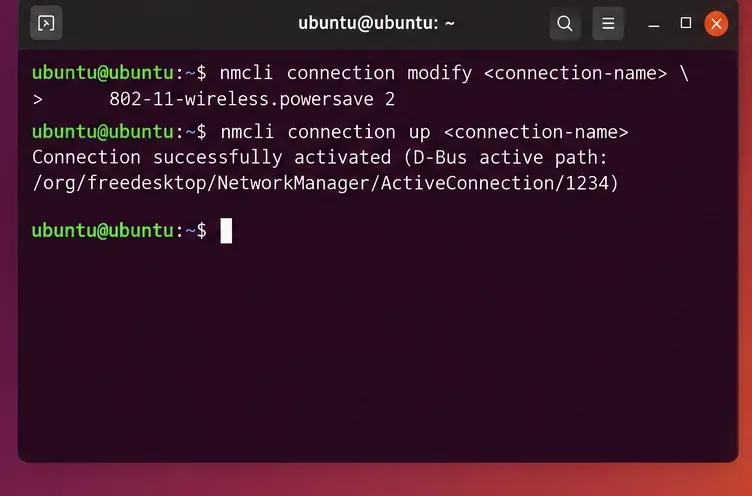
Fix Ubuntu 24.04 Wi-Fi drops after suspend with checks for NetworkManager, radio blocks, updates, power saving, and drivers—then verify each resume.
Unlocking USB ports in BIOS is not difficult. However, how to lock computer USB ports ? Let's find out with WebTech360!
USB port is a component available on every computer. It is the place where you connect your PC to portable storage, allowing you to access data that is not on the current system. It is very useful, however, when used, it can potentially be infected with viruses. In this case, block the USB port.
In the article below, WebTech360 will guide you through some simple ways to disable USB ports in Windows operating system.
Most malware spreads via USB devices due to the Autorun feature automatically executing a file mentioned in the autorun.inf file located at the root of the USB device directory tree.
Therefore, the best way is to disable Autorun to disable USB ports, preventing malware and viruses from attacking your computer.
To do this, follow the steps below:
1. First press the Windows + R key combination to open the Run command window, then type Gpedit.msc into it.
2. On the new window that appears on the screen, you navigate by key:
Computer Configuration => Administrative Templates => Windows Components
Next click Autoplay Policies .
If you are using Windows XP, navigate to the key:
Computer Configuration => Administrative Templates => System
4. In the Details panel , double-click Turn off Autoplay .
5. Click Enabled, then on the Turn off Autoplays dialog box, click All drivers to disable Autorun on all drives.

This is the simplest and easiest way to do it. When starting the computer, press Delete, F2, F8... to access BIOS. Here, find Advanced Settings or Onboard Devices (depending on the different types of mainboards, the shortcut keys to access and the order of the menus are also different):
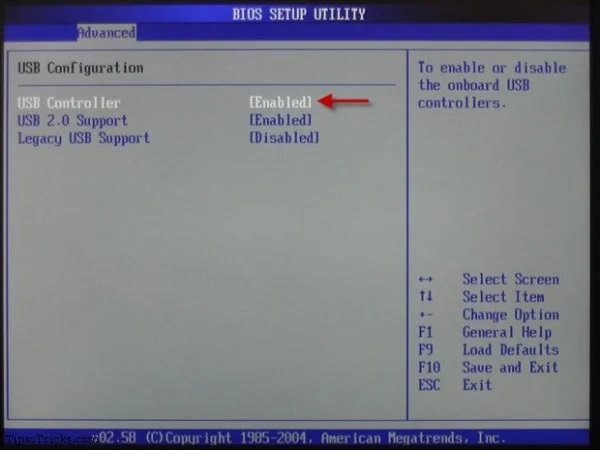
In the USB Configuration section , change Enable to Disable , then press F10 to save changes and restart the system.
To disable USB ports on Windows computers via Registry, follow the steps below:
1. Press the Windows + R key combination to open the Run command window. Or alternatively, click Start, then click Run .
2. Next, on the Run window, go there to open Registry Editor.
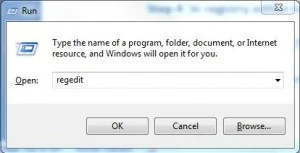
3. On the Registry Editor window, navigate to the key:
HKEY_LOCAL_MACHINE\SYSTEM\CurrentControlSet\Services\usbstor
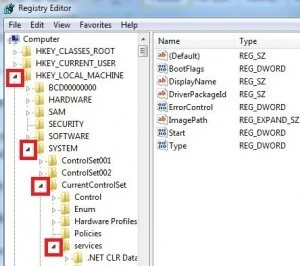
4. Next in the right pane, double-click Start .
5. In the Value Data box , set the value to 4 and then click OK .
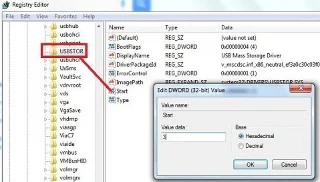
6. Finally close the Registry Editor window and refresh your computer.
7. If you want to re-enable the USB port, follow the same steps and set the value in the Value Data box to 3.
This is one of the simple ways to disable USB ports on Windows 7 and Windows 8.
1. Type device manage into the Search box on the Start Menu, then press Enter to open the Device manager window.
2. On the Device Manager window, find and click Universal Serial Bus Controllers (USB) .
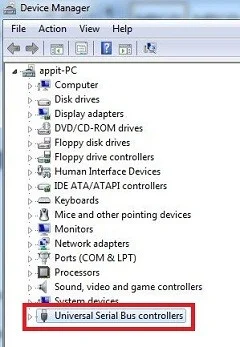
3. Double click on the specific USB port.
4. On the USB Root dialog window, click the Driver tab.
5. Click Disable .
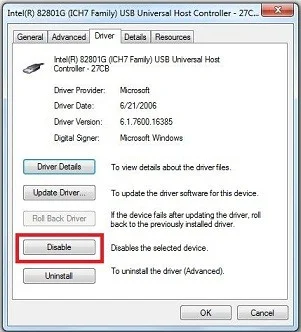
You can download or buy the best software and tools to protect your Windows 7 computer from data loss and theft when enabling or disabling USB ports. In addition, you can download USB Drive Disable Pro to enable or disable USB ports on Windows 7 computers / laptops.
Download USB Drive Disable Pro to your computer and install it here .
Whenever you plug in a USB drive on your Windows computer, Windows will check for driver installation or not. If Windows does not find a USB driver, then you will have to install the USB driver. Once the USB driver is installed, you can access the Pendrive or any other USB device on your Windows computer.
7. Disable USB ports using Group Policy Editor
Group Policy Editor is a built-in tool on Windows that allows you to personalize your computer or network settings. In this case, you can use it to block USB on your computer.
If you need to re-enable the USB port, repeat the steps above and select Not Configured for both settings.
Good luck!
Fix Ubuntu 24.04 Wi-Fi drops after suspend with checks for NetworkManager, radio blocks, updates, power saving, and drivers—then verify each resume.
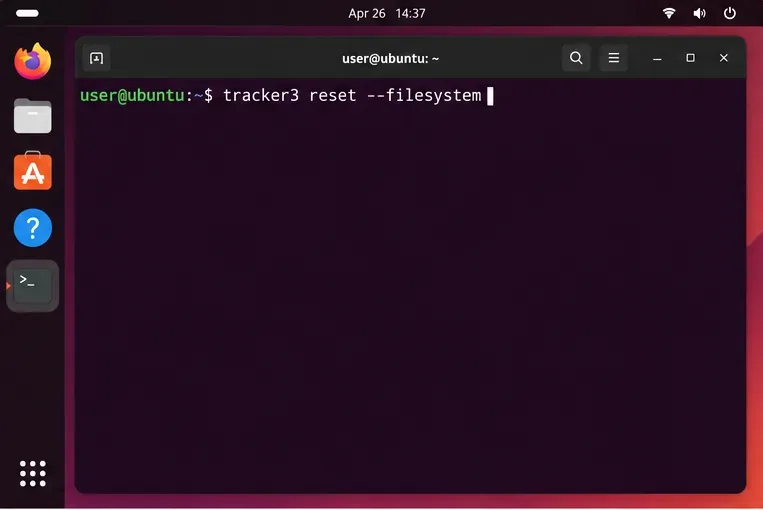
Learn why tracker-miner-fs-3 uses high CPU in Ubuntu GNOME and how to check indexing, exclude folders, update Ubuntu, or safely rebuild the search index.
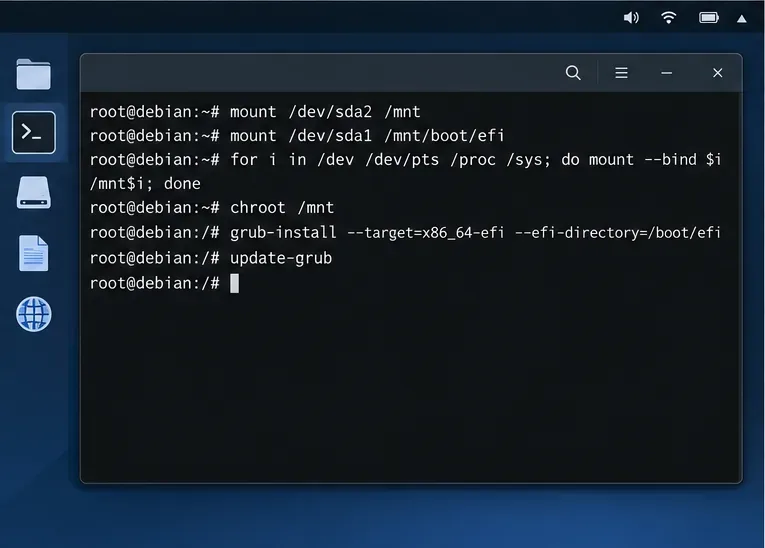
Fix Debian’s UEFI boot error by checking boot mode, the EFI System Partition, GRUB files, and firmware boot order—without reinstalling Debian first.
The Outlook Inbox Repair Tool fixes corrupted PST files quickly so you can recover emails and restore normal Outlook function. Follow these exact steps to run scanpst.exe without data loss.
Get the Adobe PDF Installer Offline to install Acrobat Reader on any PC without needing internet during setup. Follow these exact steps for the full standalone package.
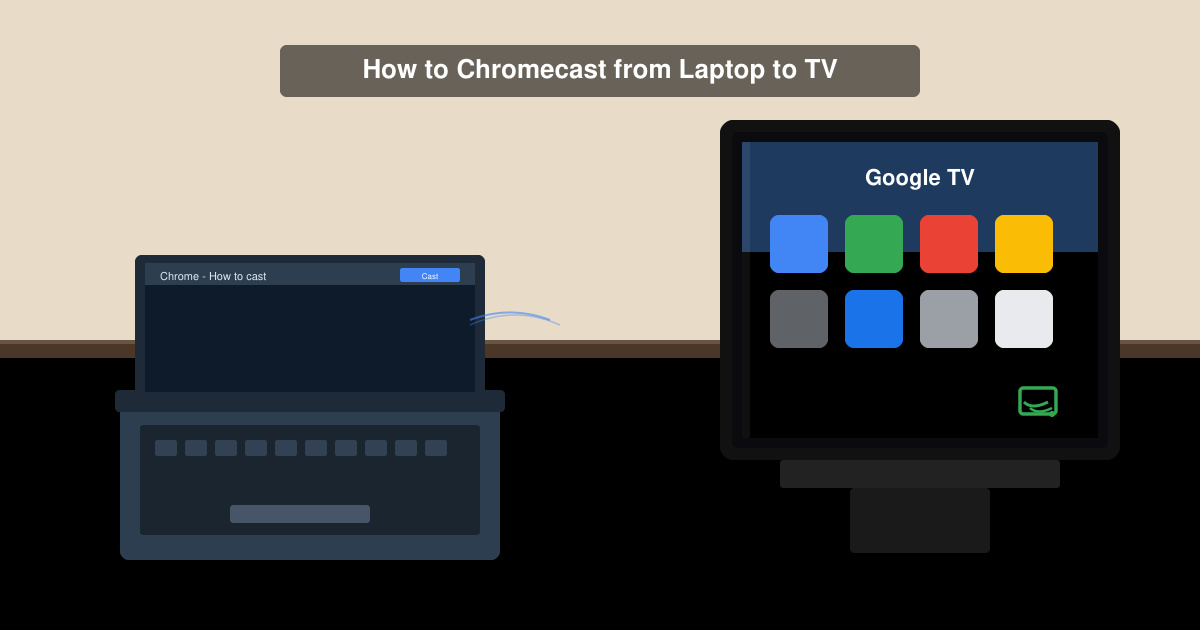
Learn how to Chromecast from laptop to TV with this step-by-step guide. Stream browser tabs, videos, or your full screen from Windows or Mac to your TV in minutes.
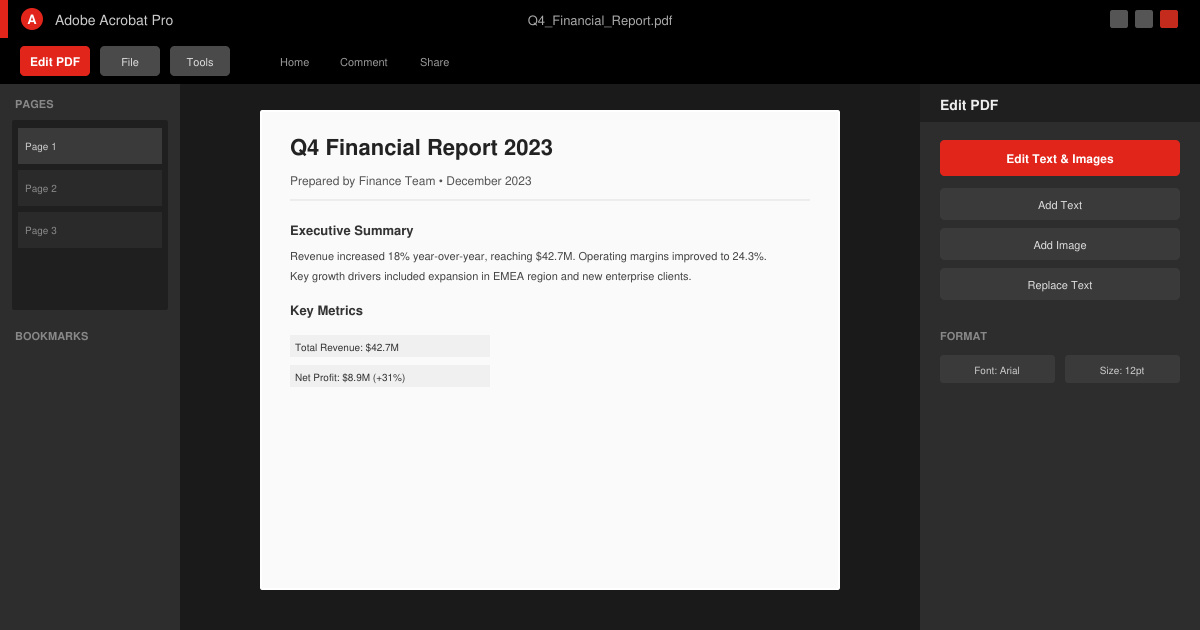
Learn how to edit an Adobe PDF file in Adobe Acrobat with precise steps for text, images, and layout changes. Make professional edits quickly and save time.
Get your Free Foxit Reader Free Download from the official source with this step-by-step guide that ensures a safe and quick installation for viewing PDFs.
Learn how to get help in Windows 11 with built-in tools like the Get Help app and Quick Assist for fast, official support without third-party downloads.
Learn how to retract an Outlook email in Microsoft Outlook when you need to correct a mistake before the recipient opens it. Follow these precise steps for Exchange accounts.