Home
» Wiki
»
Tech company teaches computers to... taste wine
Tech company teaches computers to... taste wine
Tastry uses artificial intelligence (AI) to analyze “tens of thousands of wines every year,” generating reams of data to help winemakers and retailers make better tasting products, says founder Katerina Axelsson.
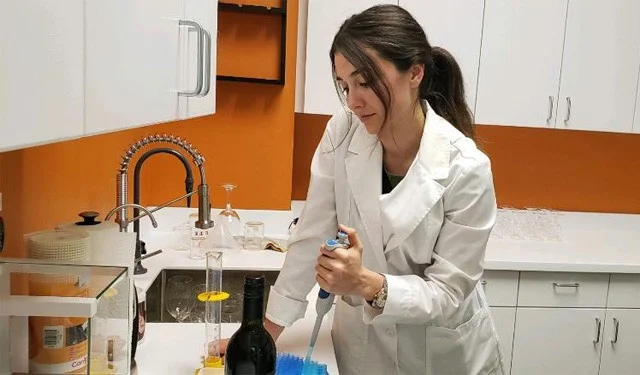
Portrait of founder Katerina Axelsson.
Axelsson got the idea as a chemistry student working at a winery, where she noticed a unique way of evaluating wine .
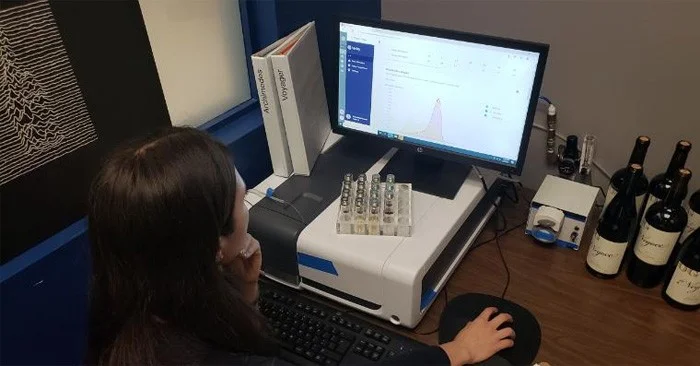
She started analyzing wine samples, identifying thousands of compounds. Using AI, she could see how these compounds interacted with each other to create the wine’s flavor. She then took that data and used machine learning to compare its flavor, aroma, texture, and color to other wines in the database.
This approach allowed Axelsson to develop the BottleBird wine recommendation app, which hit retailers' wine shelves in 2019. Customers can enter their favorite flavors and the app will suggest matching wines with an accuracy of 80-90% on the first try, rising to 95% thereafter.
Tastry is also available from wineries in the US.
Brands pay to have their bottles analyzed “and in return, they get access to what we call an insights dashboard, where they can determine how their wines are perceived in stores, locally or regionally,” Axelsson said.
O’Neill Vintners and Distillers, one of the largest wineries in California, is a Tastry client. To create the desired flavor profile, they have to blend wines from “over 30 different barrels,” according to Marty Spate, vice president of winemaking and viticulture.
The company is using Tastry’s AI technology to “streamline” the production process. Teho Marty says the technology isn’t a complete replacement for a modern winemaking team, but the data it generates is pretty powerful.
While receiving praise, many criticized this approach as inappropriate in an industry that traditionally requires sophistication and artistry.
“It’s like a computer analyzing a piece of art,” says Ronan Sayburn, master sommelier and head of wine at 67 Pall Mall, a wine club in London. “I don’t know how people would be interested in following what a computer tells them to drink based on what they’ve had before. I think part of the appeal of wine is your own perspective.”
Tastry computer "tastes" wine through AI.
Sayburn admits technology can be helpful for amateurs, but when it comes to an emotionally charged subject, the human touch is needed.
Axelsson agrees that Tastry won’t replace a human sommelier. But he says the computer could help wineries analyze more wines per year than humans could by manually tasting them.
Later this year, the company will begin offering the service in Europe in partnership with an online retailer, and the partnership could extend beyond wine to other beverages such as beer, spirits, coffee and even perfume.
It takes time to introduce AI and its benefits and integrate it into any industry before people really accept it, Axelsson said. Axelsson is happy to win over those who are against the technology.