Deploy LIDER AHENK on Pardus and Enroll Your First Clients

Set up the Lider server, configure its installer safely, register Ahenk endpoints, and verify a pilot before expanding central management.
Windows offers a lot of great features, but sometimes the privacy concerns surrounding them can turn people away from the operating system. However, some of these features can be useful – and even worth Windows invading your privacy a little.
Table of Contents
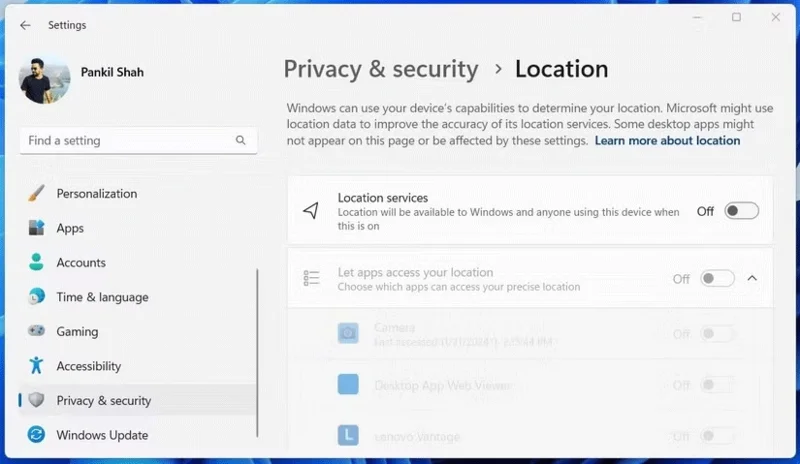
As you might guess, enabling location services on your Windows device has the same benefits as using them on your phone. People who travel a lot and like to check routes before leaving home will use Google Maps in their browser to check directions. Without location services, this feature would not be possible.
A more common scenario where your PC uses location services is to let apps and websites figure out what part of the world you're in without having to manually enter it every time. Content like movies, TV shows, or games can vary in availability depending on your region, and when apps have access to your location, they can automatically give you access to what's available.
Windows also uses your location data to power widgets and features spread across the operating system. Information like weather, time, and the Find My Device feature on Windows 11 also uses location services (along with Wi-Fi ) to locate your device in case you lose it.
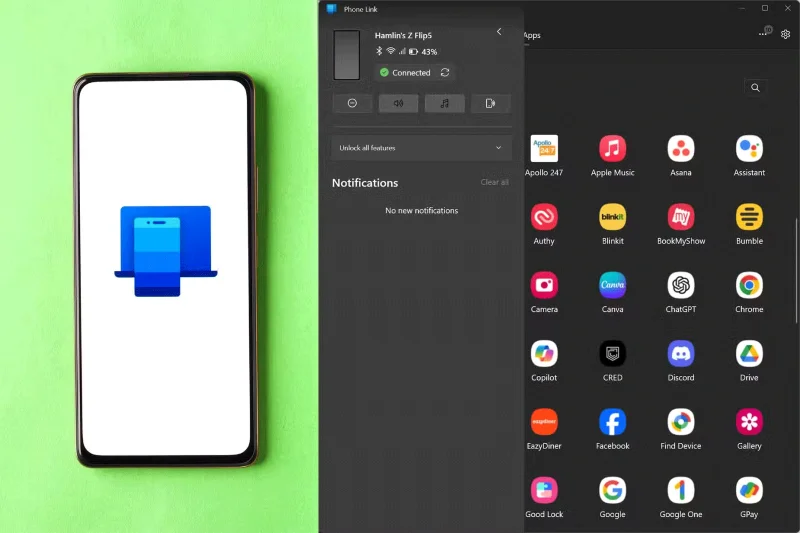
Shared Experiences on Windows lets you transfer what you're doing on your computer to your phone. It also enables Nearby Share, remote controls, and other companion apps on your phone, like Phone Link .
Syncing content like email, notifications, etc. between devices requires logging in with an account, not to mention giving the sync service access to your data so it can transfer it between devices. This is both a privacy concern and a convenience.
Microsoft has admittedly used some shady tricks here, like enabling the feature by default in Windows 10 or hiding it in the app settings in Windows 11. But if you’re curious how well syncing between your Mac and iPhone works, this is the closest you’ll find to a similar feature in Windows.
Have you ever wondered why files or folders you searched for in Windows appear so quickly the next time you search for them? Windows has a few neat tricks to help you quickly find what you're looking for, it just takes a few invasive steps to get that information.
In Windows 11, Content Search refers to your PC’s ability to search for files based on what they contain, rather than just the file name. As you might expect, this feature makes finding files like documents and spreadsheets incredibly easy. If you work with a lot of documents and aren’t great at naming or organizing them properly, this feature can come to your rescue.
Content History keeps track of what you're searching for on your PC. You can turn it off, but if you find yourself searching for the same file over and over again, it can be useful.
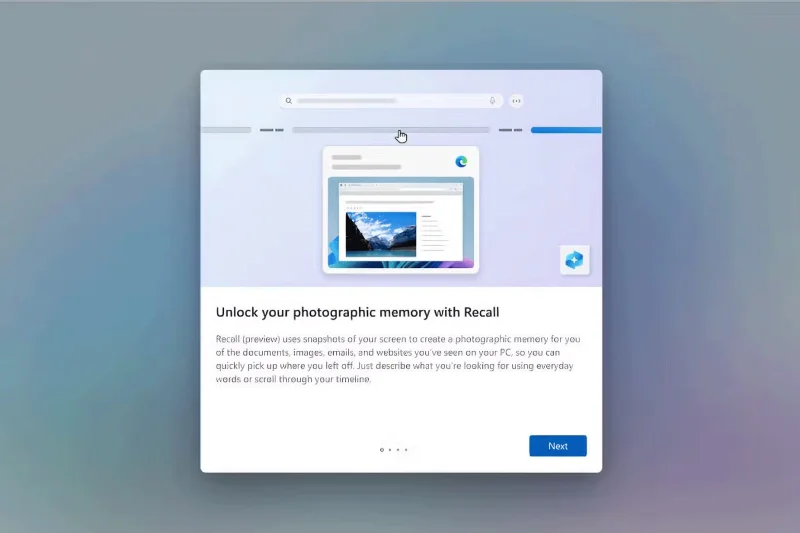
Windows Recall is probably the most controversial feature Microsoft has released in a long time. While it’s annoying that your PC randomly takes screenshots of what you’re doing, it can be a huge help if you need to look something up and can’t quite remember what the full file or folder name is.
It works by periodically taking screenshots of what you're doing on your PC, then using CoPilot to search through them to help you find what you were doing. Recall is a privacy nightmare for some, but a convenience for others.
Recall was particularly controversial at first due to security flaws in its initial implementation that could potentially leak sensitive data it collected. However, Microsoft claims to have since fixed these flaws, making Recall a viable feature to use if you don't mind the method behind it.
This may seem obvious, but like most products in the world, Microsoft collects feedback and data from users to help improve Windows for everyone. For most software products, this data is collected in the form of diagnostic data, which typically includes the make and model of your device, hardware specifications, the version of Windows you're running, as well as your name, email, and other personal information.
All this data is collected from millions of computers around the world running different versions of Windows, sent to Microsoft, and then used to improve Windows or Windows apps and features. Sure, it’s a bit of a pain to analyze. But Microsoft knows a lot about your PC. So while you can turn it off—and no one would blame you if you did—it can also help identify problems that Microsoft needs to fix.
This article is not suggesting that you hand over all your data to Microsoft just to make life easier. However, as AI products and services continue to integrate into our daily lives, data collection will only become more prevalent. A feature can be really convenient, but if that convenience comes at the cost of your privacy, you might as well get some of the benefits.
Set up the Lider server, configure its installer safely, register Ahenk endpoints, and verify a pilot before expanding central management.
Download the official Pardus 23 desktop ISO, write it safely with Rufus, and boot a Windows PC into a temporary Live session.
Find out why Pardus 23 cannot detect your sound card, then use targeted ALSA, firmware, and PipeWire or PulseAudio checks to restore playback.
Save HamoniKR preferences to external storage, include hidden home folders, and choose a safe restore mode when moving to a fresh installation.
Install and configure xrdp on Pardus, choose the right Xfce session, restrict network access, and verify that remote login works.
Diagnose Pardus 23 APT connection failures, confirm the official yirmiuc sources, and restore apt update without bypassing package signature checks.
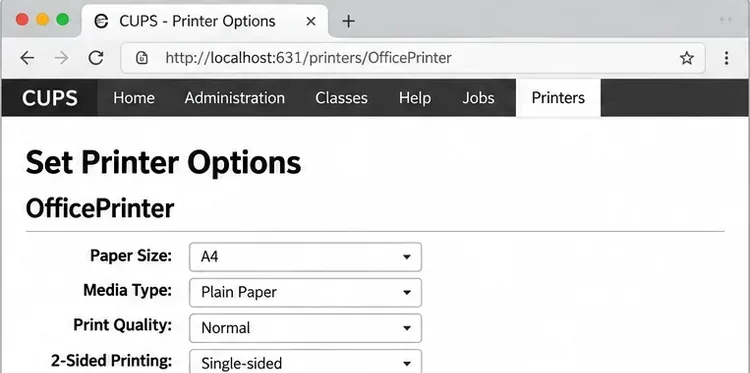
Configure printers on Harmonica OS using CUPS, compare driverless IPP with legacy drivers, and verify USB or network printing with a test page.
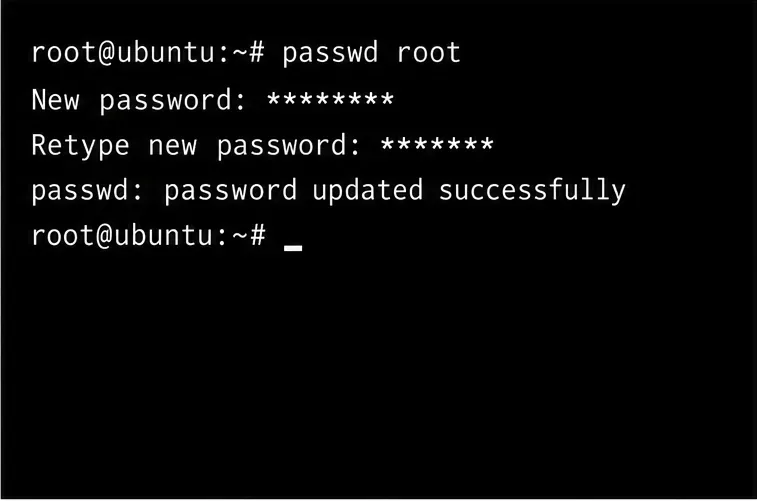
Use a recovery shell to set a new Harmonica OS root password, with checks for encrypted disks, read-only filesystems, and accounts that use sudo.
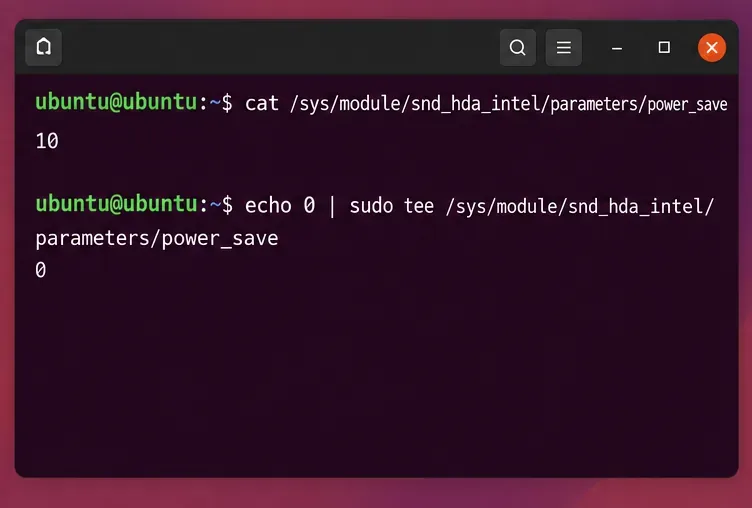
Trace whether clipping, ALSA format conversion, or HDA power saving is causing Ubuntu 24.04 audio distortion, then apply the matching reversible fix.
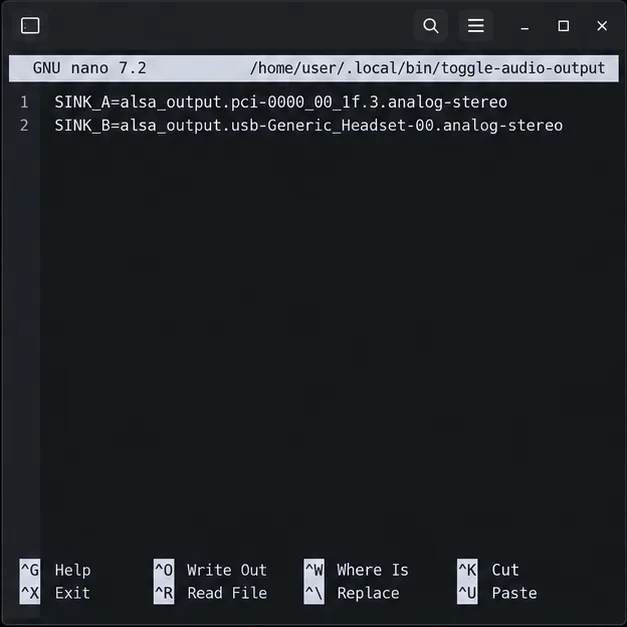
Switch Debian audio between named PipeWire outputs with a pactl script that updates the default sink and reroutes streams already playing.