Encountering the frustrating "Windows Cannot Be Installed to This Disk" error during setup? You're not alone—many users face this hurdle when trying to install Windows on a drive formatted with GPT partitions. This issue often stems from mismatched boot modes or partition incompatibilities, but don't worry! With the right steps, you can troubleshoot and resolve it quickly. In this guide, we'll walk you through practical solutions to get past the GPT error and install Windows without the headache. Let's dive in and turn that error into a smooth success story. 🚀
Understanding the "Windows Cannot Be Installed to This Disk" GPT Error
The "Windows Cannot Be Installed to This Disk" message typically appears during the Windows installation wizard when your drive uses GPT (GUID Partition Table) partitioning, but your system is booting in Legacy BIOS mode instead of UEFI. GPT is the modern standard for drives over 2TB and supports UEFI firmware, which is essential for 64-bit Windows versions like Windows 10 or 11.
Common triggers include:
- Boot Mode Mismatch: Installing in Legacy mode on a GPT disk.
- Partition Table Conflicts: Existing MBR (Master Boot Record) setups clashing with GPT requirements.
- Hardware Incompatibilities: Older motherboards not fully supporting UEFI.
Recognizing this early saves time. If your error mentions GPT specifically, it's a clear sign to check your BIOS settings. Stay with us as we explore fixes that work on the latest Windows builds.
Step-by-Step Troubleshooting: Resolve the GPT Error
Ready to fix it? Follow these targeted steps in order. We'll start with the simplest and escalate as needed. Pro tip: Back up any data on the target disk first—better safe than sorry! 💡
1. Switch to UEFI Boot Mode in BIOS
The most common fix for the Windows Cannot Be Installed to This Disk GPT error is enabling UEFI mode. Here's how:
- Restart your PC and enter BIOS (usually by pressing Del, F2, or F10 during boot—check your motherboard manual).
- Navigate to the Boot tab.
- Disable "Legacy Boot" or "CSM" (Compatibility Support Module) and enable "UEFI Boot" or "Secure Boot."
- Set your installation media (USB/DVD) as the first boot device in UEFI mode.
- Save changes (F10) and exit. Restart with your Windows installer.
This aligns your system with GPT requirements. If your hardware supports it (most modern PCs do), you'll bypass the error instantly.
2. Convert MBR to GPT Without Data Loss
If your disk is MBR-formatted, convert it to GPT. Use the built-in tools for a non-destructive approach:
Warning: Always double-check the disk number to avoid wiping the wrong drive. If you're uncomfortable, third-party tools like EaseUS Partition Master offer user-friendly interfaces, but stick to official methods for reliability.
3. Delete and Recreate Partitions During Installation
Sometimes, corrupted partitions cause the snag. In the Windows setup:
- At the "Where do you want to install Windows?" screen, select the disk and click "Delete" for all partitions (back up first!).
- Click "New" to create fresh GPT partitions. Windows will auto-format them correctly.
- Proceed with installation.
This wipes the disk but resolves deep-seated GPT issues. For advanced users, use DiskPart in CMD for manual control:
diskpart
list disk
select disk 0
clean
convert gpt
create partition efi size=100
format quick fs=fat32 label="System"
assign letter=S
create partition primary
format quick fs=ntfs label="Windows"
assign letter=W
exit
![Disk management screen during Windows installation]()
4. Check for Hardware and Driver Issues
Hardware glitches can mimic GPT errors. Ensure:
- Your motherboard firmware is updated (visit the manufacturer's site, e.g., ASUS or MSI support pages).
- Storage drivers are loaded: In setup, press Load Driver and add SATA/AHCI drivers from your mobo maker.
- The disk is detected properly—run CHKDSK via CMD:
chkdsk /f /r X: (X is your drive letter).
If it's an NVMe SSD, confirm UEFI compatibility. Faulty cables or ports? Swap them out for a quick test.
Advanced Solutions for Persistent GPT Errors
If basic fixes fail, let's level up. These target edge cases in recent Windows versions.
Handle Dynamic Disks and Other Partition Oddities
Dynamic disks aren't compatible with Windows installation. Convert them first:
- In Disk Management (right-click Start > Disk Management), right-click the disk > Convert to Basic Disk.
- For stubborn cases, use DiskPart's
convert basic command after cleaning the disk.
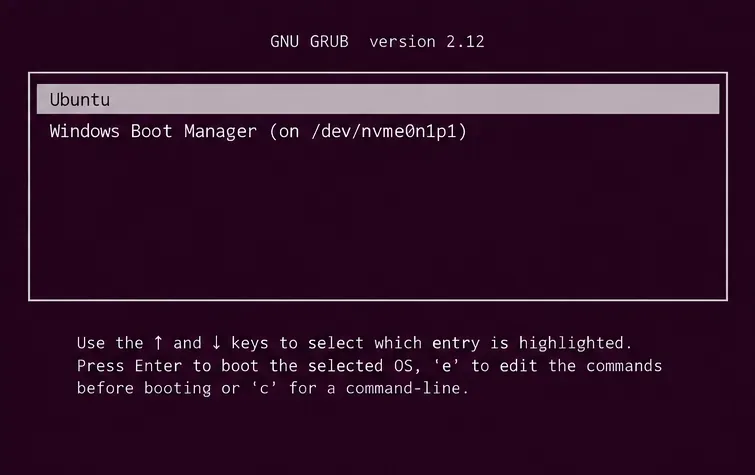
Also, ensure no Linux or other OS partitions interfere—delete them if needed.
| Partition Type |
Compatibility with GPT Install |
Action Needed |
| MBR |
Incompatible without conversion |
Convert to GPT using MBR2GPT |
| GPT (UEFI Boot) |
Fully compatible |
Enable UEFI in BIOS |
| Dynamic |
Not supported |
Convert to Basic, then GPT |
| EFI System Partition |
Required for UEFI |
Ensure 100-260MB size |
UEFI vs. Legacy: When to Choose What
For optimal performance, stick with UEFI + GPT. It enables features like Secure Boot and faster boots. Only use Legacy + MBR for very old hardware. If upgrading to Windows 11, UEFI is mandatory for TPM 2.0 support.
![BIOS settings for UEFI boot mode]()
Preventing Future "Windows Cannot Be Installed" Errors
Once installed, keep things smooth:
- Regularly update BIOS and drivers via manufacturer sites.
- Use tools like MiniTool Partition Wizard for safe partitioning (free version available).
- For dual-boot setups, tools like EasyBCD help manage GPT without conflicts.
For official guidance, check Microsoft's support docs on Windows installation processes.
Final Thoughts: Conquer the GPT Error and Enjoy Your Fresh Windows Install
There you have it—a complete roadmap to banish the "Windows Cannot Be Installed to This Disk" GPT error. By focusing on boot modes, conversions, and clean partitions, you'll be back to a hassle-free setup in no time. If these steps don't resolve it, consider hardware diagnostics or professional help. You've got this—your upgraded PC awaits! If you run into specifics, drop a comment below; we're here to help. 🎉