Leftover Halloween Candy and Pumpkins: What to Do Next

Sort leftover Halloween candy safely, share or repurpose sealed treats, and choose food use or compost for pumpkins based on their condition.
For those of you who are looking for a quality monitor, perhaps panels like IPS, VA and TN are among the popular panels introduced on monitors today, so when you listen to people recommend them Talking about this, what do we need to know, what are their advantages and disadvantages, We will learn about these popular types of panels to get the right choice for each different use. .
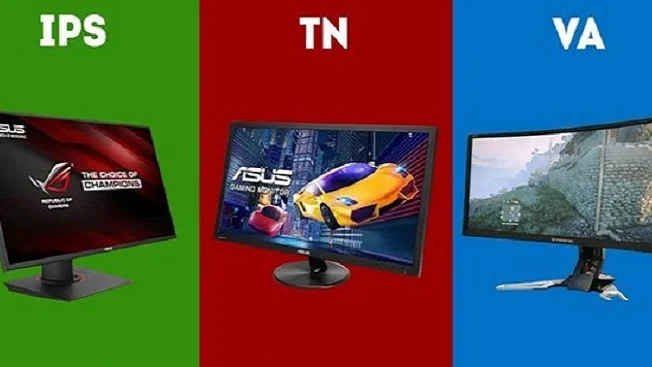
Learn about the 3 most popular types of panels today!
Screen panels are liquid crystal panels. It plays a decisive role in the number of colors and the accuracy of the images on the screen. The panel is an integral part of the screen.
We will learn about IPS, VA and TN panel types . Because finding enough information will help you make the most accurate decisions. Some specifics are as follows:
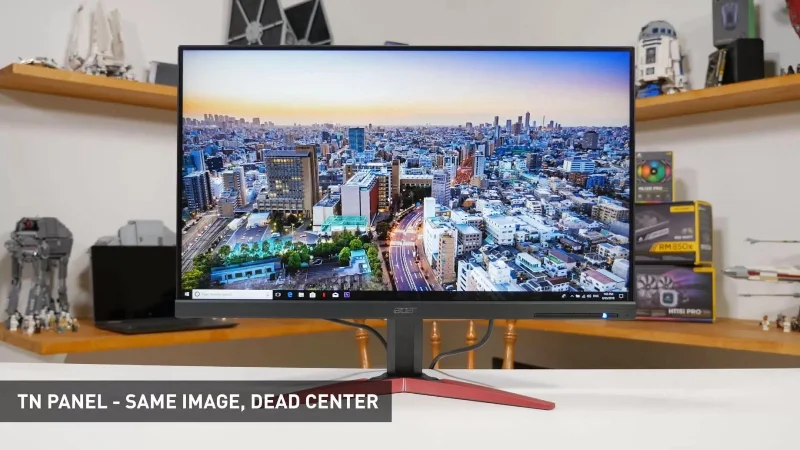
TN panels are extremely durable!
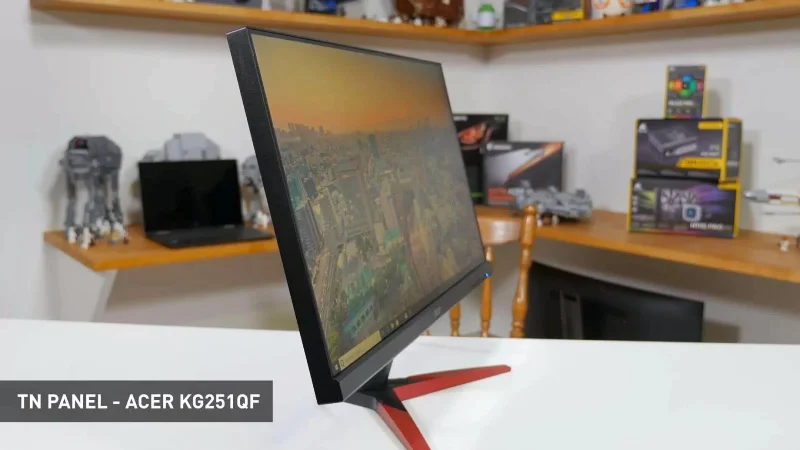
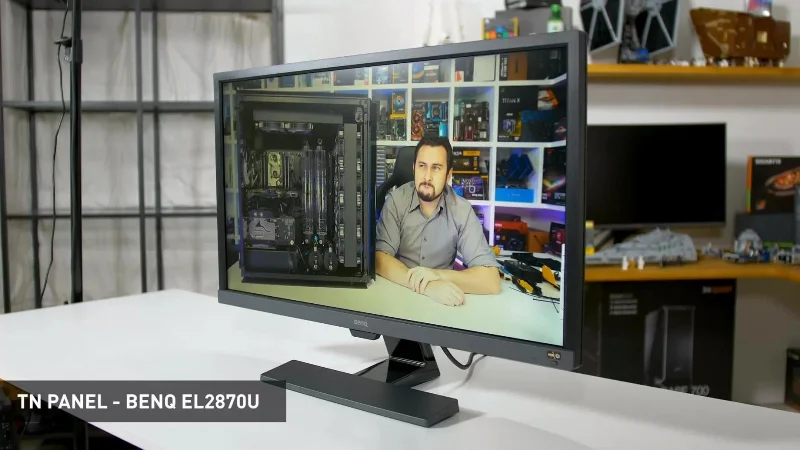
The TN panel is a display panel with a crystal structure. It is a panel that appeared for a long time on the market. They have a fairly long life, so they are commonly used for outdoor advertising screens as well as screens with touch features.
Advantage
- Longest life of all types of panels.
- Low cost
- Extremely fast image response speed, up to 1ms.
- Display images at up to 240Hz refresh rate.
Cons: The viewing angle is narrow. The image is distorted, pale and difficult to see without looking directly at the screen. This is also a way to identify screens using TN panels.
TN panels are often used for low-cost televisions. Or be applied on the computer screen for playing games because of its extremely fast response speed.
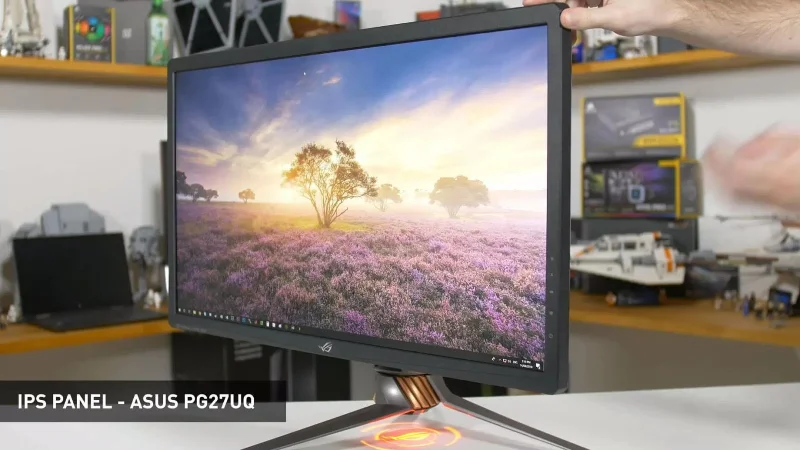
IPS panels for extremely good image quality!
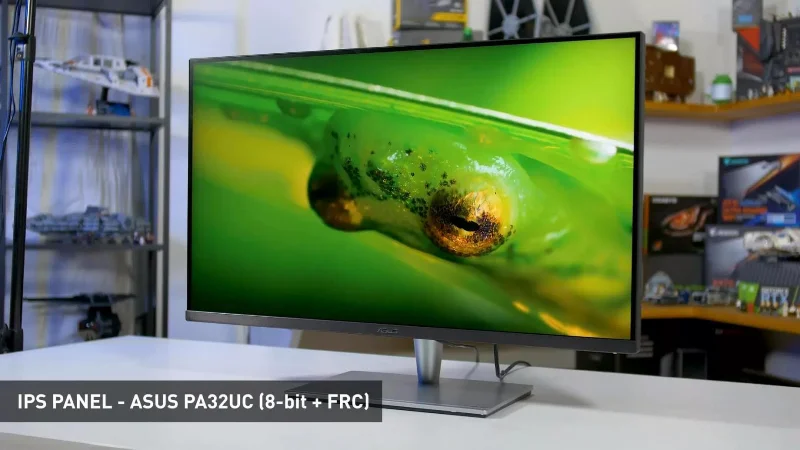
IPS panels are produced as to overcome the inherent weakness of TN. With the salient advantages that can be mentioned are:
Advantages of IPS panels
- For clear, clear images at different viewing angles,. Including wide viewing angles up to 178 degrees.
- More durable than other panels. When touching the screen, no pixels appear.
- Average response speed with 4ms
Cons: consumes a lot of energy (>15% compared to TN) and generates a lot of heat. The refresh rate is low at 165 Hz.
IPS panels are now used, applied on many different products from phones, laptops, tablets,... Especially in low-cost or mid-range smartphones and laptops. Besides, television products of many brands also use this technology to create high-definition color and wide vision.
VA panels possess mid-range color rendering compared to TN and IPS
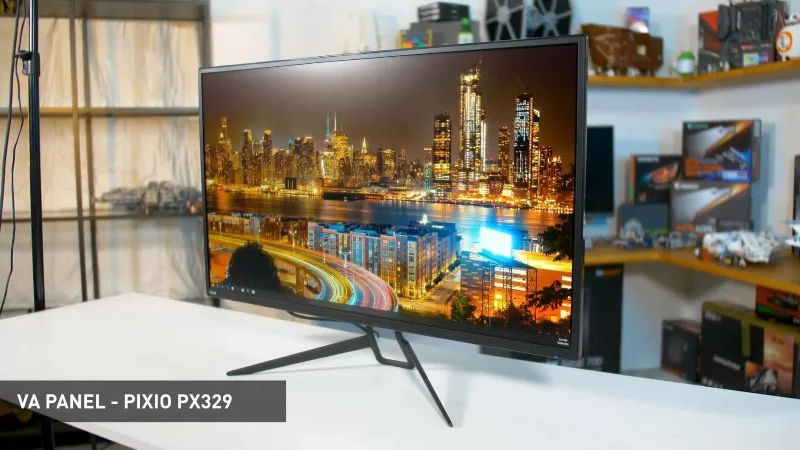
The VA panel is a recently used panel. It has intermediate properties of TN and IPS panels. With the ability to display beautiful, true colors (better than TN but worse than IPS).
Advantage
- High contrast, beautiful colors and sharp images with wide viewing angles
- VA for extremely good black visibility.
- Good price.
- Consumes very little energy
Defect
- Lifespan is not long and the color of the screen may change over time.
- The response time of the VA panel is slow and the images have motion blur.
- The response speed is quite slow, about 8-10 ms.
- VA panels are used for low-cost phone segments. This panel is widely used on Sony or Samsung phones.
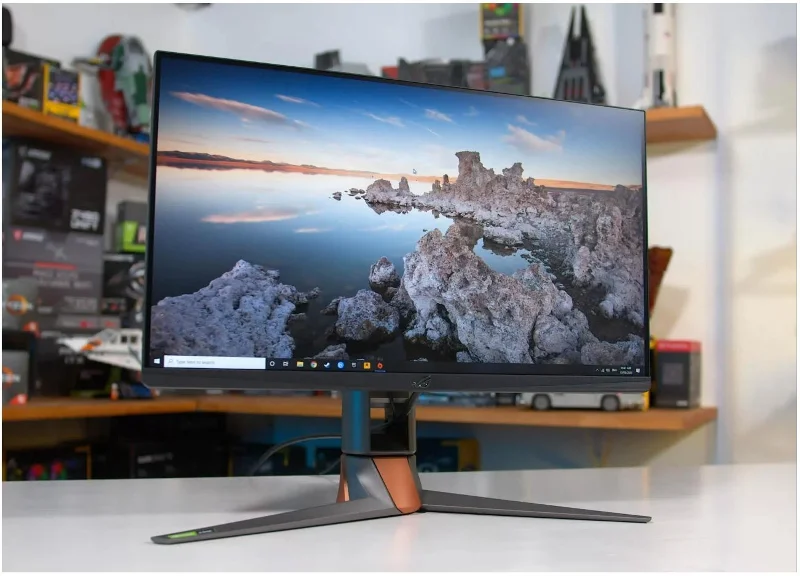
Choose a screen equipped with the right technology!
The choice of IPS, VA and TN panels will mainly depend on the needs of use and the required features of the product. Based on the detailed information of the panels mentioned above, we can see that each panel has its own advantages. Because those highlights will help you improve the performance of the device.
Carefully reviewing and evaluating the strengths or weaknesses of each panel will help you choose the right product. Please choose the panels that meet the needs given with the most economical cost. It is not necessary in every case to use the best quality panel.
IPS, VA and TN panels are the 3 most commonly used panel types. While each type has its own advantages and disadvantages , they will be suitable for application in certain types of products. Based on the requirements set forth, choose the appropriate panel to maximize efficiency and maximize cost savings.
WebTech360 provides a full range of electronic devices with a variety of categories. Different types of monitors and laptops apply different technologies to give you a variety of choices. Come to WebTech360 now for advice and to own reputable, quality and best price products!
Sort leftover Halloween candy safely, share or repurpose sealed treats, and choose food use or compost for pumpkins based on their condition.
Compare workplace Halloween costume choices by respect, dress code, mobility, and safety—and learn when a subtle accessory or a policy check is the better option.
Find a couples costume that fits your style, budget, and comfort level, from Addams Family classics to original inside-joke duos.
Need a last-minute high school Halloween costume? Compare 10 easy closet-based ideas by prep time, comfort, school-day practicality, and simple safety checks.
Use a simple 2026 Halloween decorating timeline for indoor décor, outdoor displays, and fresh pumpkins, with practical adjustments for weather and events.
Mix five vivid, approachable Halloween cocktails with measured recipes, simple prep tips, and an alcohol-free option for your party guests.
Find 15 office-friendly Halloween costume ideas for 2026, with practical checks for dress codes, respectful themes, comfort, and workplace safety.
Plan a fun elementary school Halloween party with easy crafts, games, inclusive treats, costume tips, and a sample 75-minute classroom schedule.
Compare realistic side hustles for 2026 by startup cost, fees, flexibility, and income control, with current tax and scam guidance from official sources.
Upgrade your home office ergonomics with current OSHA and NIOSH guidance on chair fit, monitor height, laptop setup, lighting, and movement.