Enable ONLYOFFICE Desktop Plugin Development and Debugging
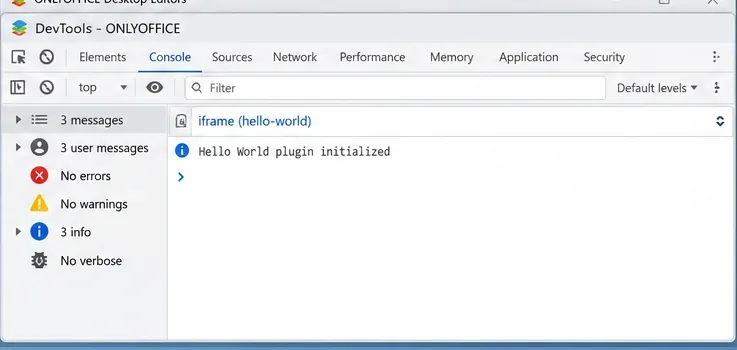
Build and test a custom ONLYOFFICE Desktop Editors plugin, install its .plugin archive, and activate developer tools for debugging.
How to increase computer volume to maximum level? Let's learn with WebTech360 how to increase Windows 10 computer volume !

How to increase volume in Windows 10
Equalizer APO is free, open source software that gives you great control over your PC's audio settings. In this article, we will focus on settings to increase computer volume to maximum.
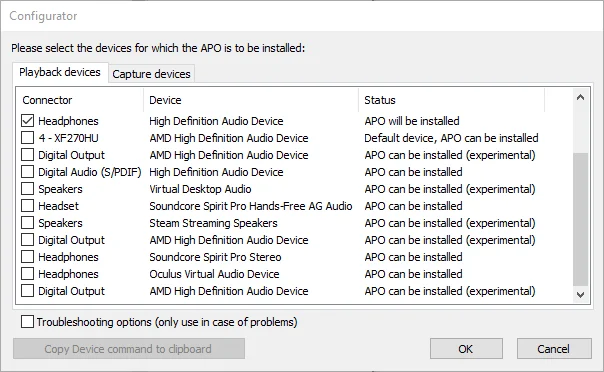
Download & install Equalizer APO. Then, go to the Configurator window of the installer, select the device you want to use APO on (e.g. headset).
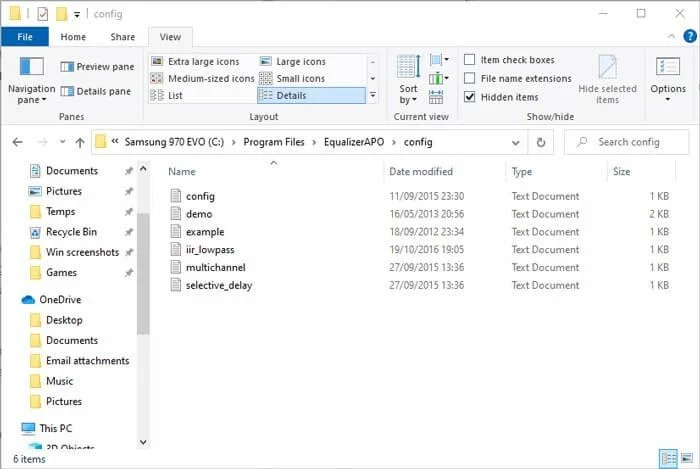
Next, go to the Equalizer APO installation folder, open the config folder in Notepad.
Here, change the preamp number to a maximum of +10dB and delete the remaining text in this file as shown below.

Save the file, restart the PC. It's done!
Some video playing software has an option to increase the volume. For example, you can increase the file volume by 300% when playing music or watching videos on VLC. Note, you may experience audio distortion or lag when the volume is too high. This is just a quick way to increase Windows 10 computer volume.
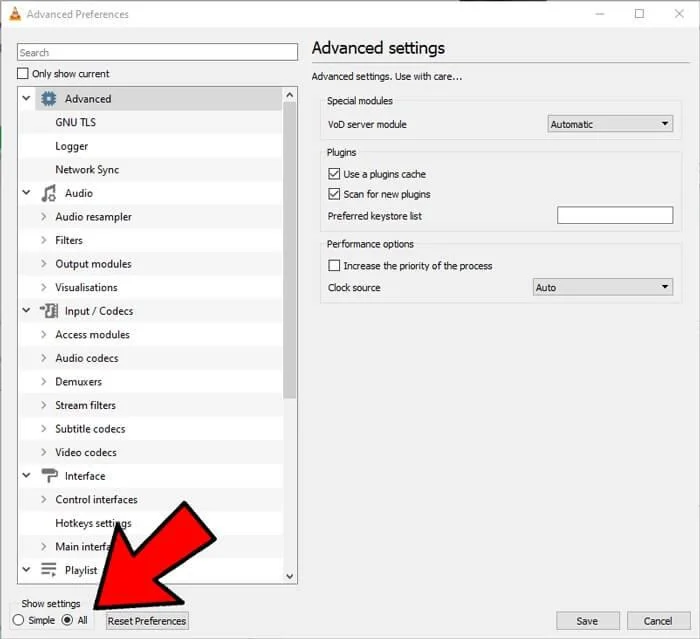
By default, VLC only sets the volume to 125% in the slider located in the bottom right corner. To increase it, go to Tools > Preferences > click All in the lower left corner of the window.
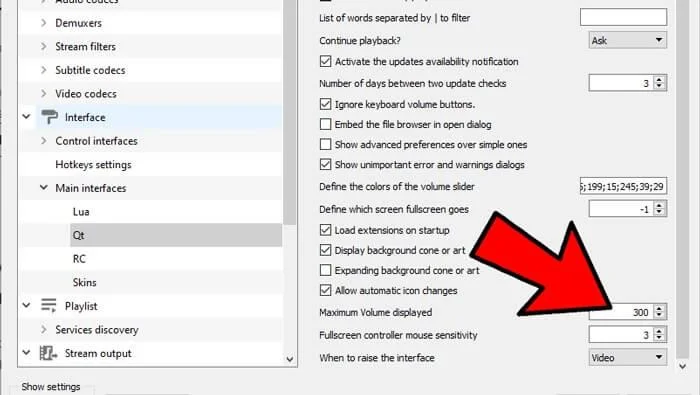
In the panel that appears, in Main interfaces > click Qt , then scroll down and increase Maximum Volume displayed to 200 or 300.
If all settings are fine but the sound drops abnormally when you make a call. The cause may be due to reduced sound settings when calling.
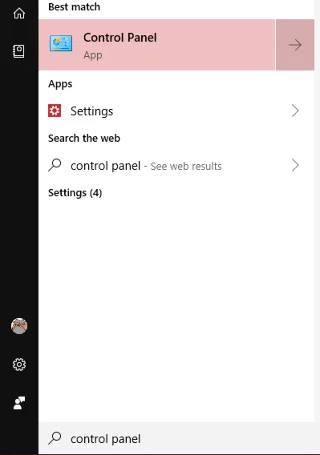
To fix this problem, click the Start button > type Control Panel and press Enter .
Click Sound .
In the window that appears, click the Communications tab . Make sure Do nothing is selected , then click OK . Now the volume will not decrease when making calls.
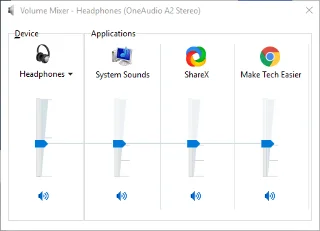
You can carefully check the volume of each specific software by right-clicking on the volume icon on the taskbar, then clicking Open Volume Mixer .
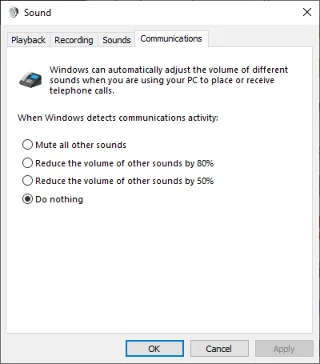
You will see all opened software with corresponding volume. If you find that the volume bar of the software you are using is lower than other programs, raise it.
You can use Audio Enhancements - a feature available on Windows 10 to improve sound quality on your computer. Proceed as follows:
Right-click the audio control in the toolbar, then click Open Volume Mixer .

Click the icon of the currently listening device.
Go to the Enhancement tab , then check Loudness Equalization . Click Apply .
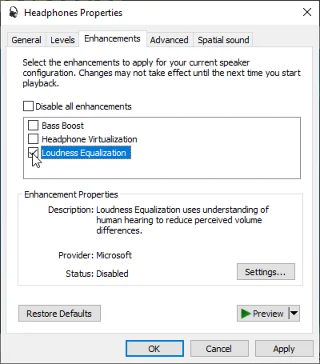
This action will increase the sound quality and possibly increase the volume.
Above are some ways to increase volume on Windows 10 computers . If you know any other methods, please share with WebTech360 readers!
Build and test a custom ONLYOFFICE Desktop Editors plugin, install its .plugin archive, and activate developer tools for debugging.
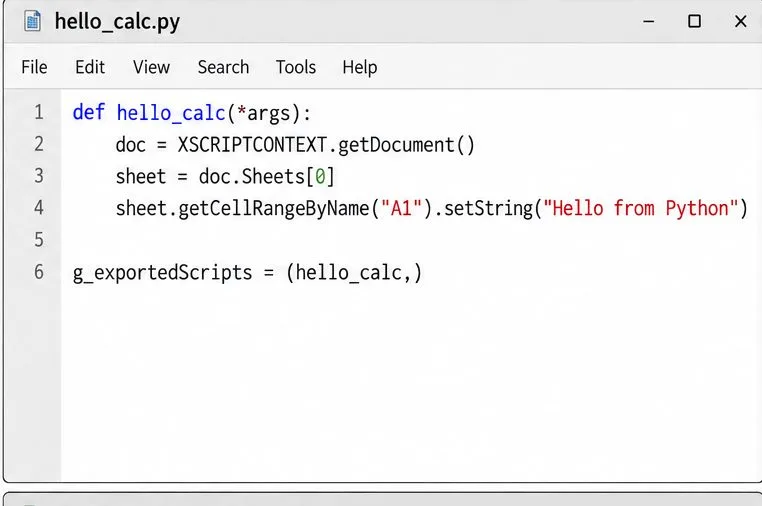
Make a Python function available in Calc, run it against the open spreadsheet, and troubleshoot missing macros or imports without mixing up LibreOffice and system Python.
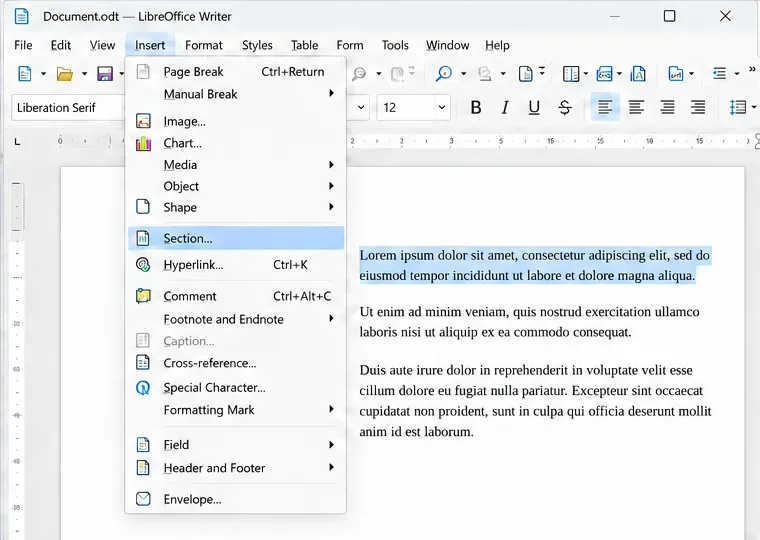
Lock a specific passage against routine edits while keeping the rest of a Writer document usable, and learn when file encryption is the better choice.
Fix hard-to-see spreadsheet text by checking the theme, cell font color, fills, and conditional formatting in Calc.
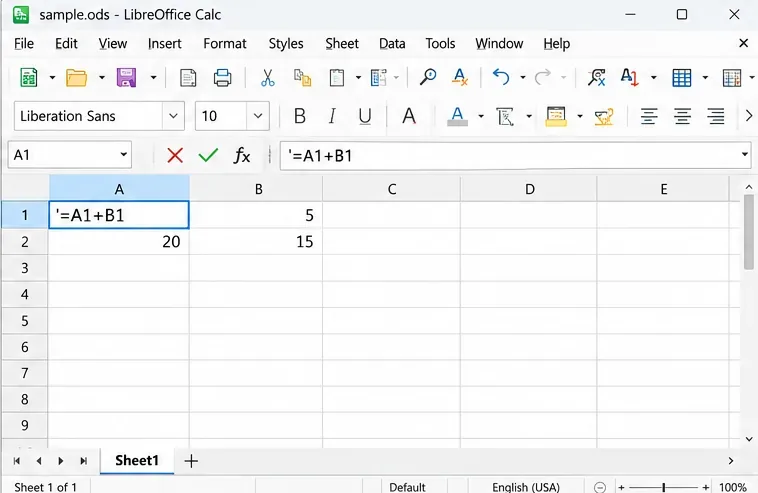
Learn why Calc shows formula text instead of calculated values and fix display mode, Text-formatted cells, apostrophes, or stale results.
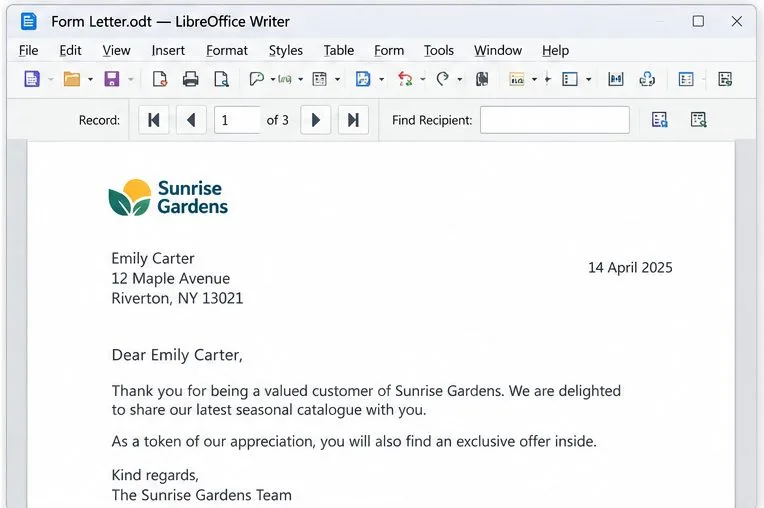
Build a reusable Writer mail merge with Calc recipient data and a shared embedded image, then preview and save the personalized letters.
Turn off LibreOffice’s optional update statistics and crash-report prompts, then check what the settings cover and how to verify them.
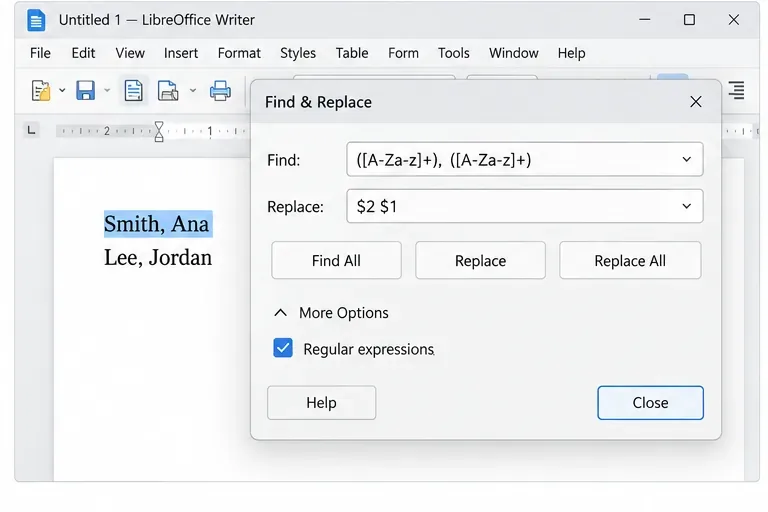
Clean spacing, find structured text, and rearrange names with Writer regex patterns you can preview before replacing.
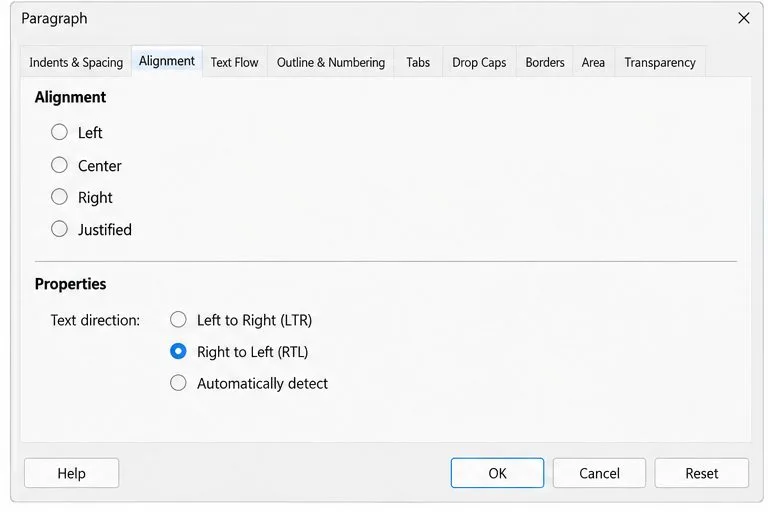
Enable Writer’s bidirectional controls, set RTL paragraph flow, and check mixed Arabic or Hebrew text without disrupting English words and numbers.
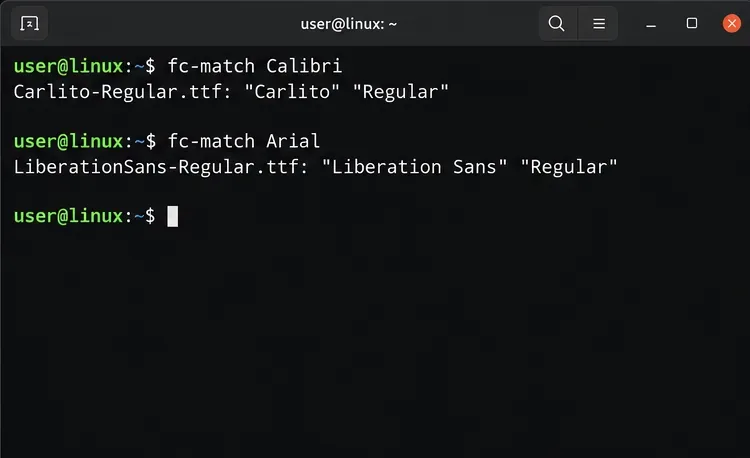
Install metric-compatible Linux fonts or map LibreOffice fallbacks, while keeping Microsoft font licensing and layout differences in view.