Stop Element Desktop Crashes on Wayland with Xwayland
Test Element Desktop through Xwayland, preserve your local data, and isolate graphics or package issues when Linux Wayland crashes the app.
On Windows 10, Microsoft has integrated a new application called Settings . This Settings application is a Metro application created by Microsoft to replace the classic Control Panel application. The option to change Windows password is no longer available on Control Panel like previous versions, and if you want to change Windows password, you will have to do it through the Settings application.
Quickly access the Settings app on Windows 10
In the article below, WebTech360 will guide you through some ways to quickly access the Settings application on Windows 10.
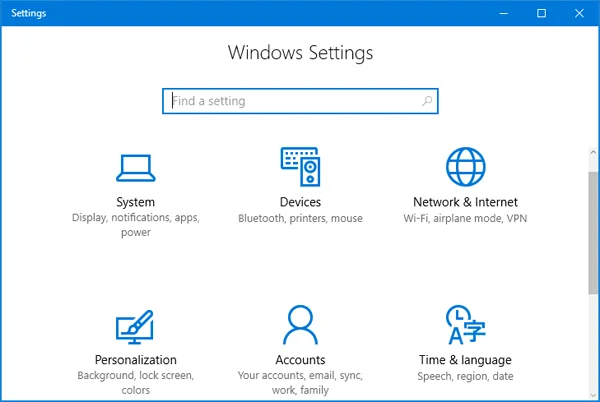
To open the Settings app on Windows 10 quickly, just press the Windows + I key combination.
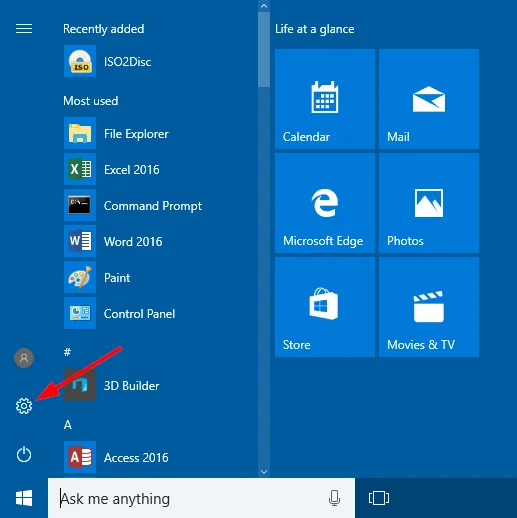
Click the Start button . The Start Menu window will appear on the screen. Find and click the Settings icon (a small gear icon) located near the bottom left corner. The Settings application will launch immediately.
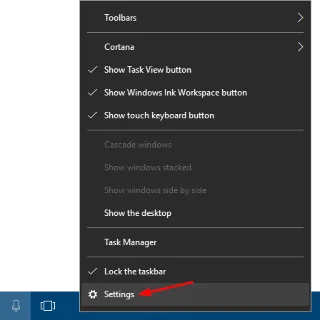
Right-click the Start button in the lower-left corner of the screen, then click Settings .
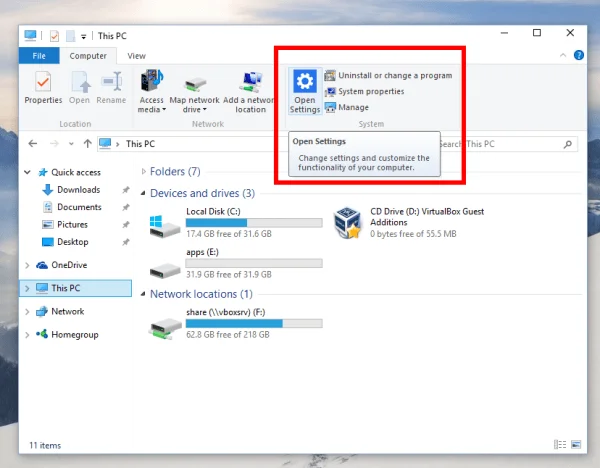
Windows 10 includes a This PC folder that contains an Open Settings icon on the Ribbon. In previous versions of Windows, there was a command to open the Control Panel. In Windows 10, Microsoft has included a Settings app to completely replace the classic Control Panel. Open This PC , and you can open Settings from the Ribbon.
You can search for any app installed on your Windows 10 PC from Windows' default Search tool—including the Settings app.
Just type the keyword “ Settings ” into the Windows Search bar and click on the “ Settings ” application from the search results.
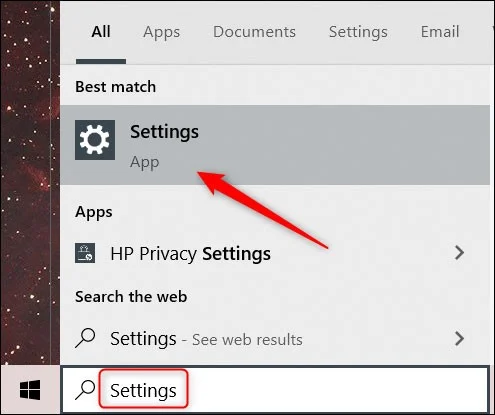
The Settings interface will open immediately.
Another quick way to access the Settings app is from the desktop context menu. First, right-click anywhere on the home screen and a context menu will appear. At the bottom of this menu, click “ Display Settings ” or “ Personalize .”
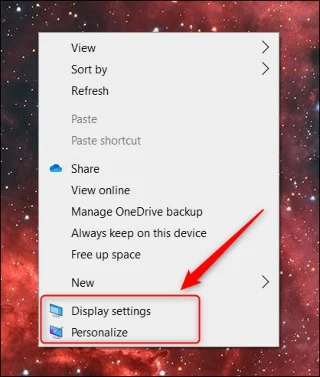
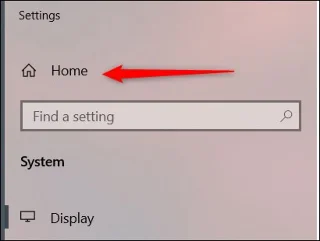
The corresponding option will immediately open in the Settings application. From here, you just need to click “ Home ” to go to the main interface of the Settings application.
You can also ask Cortana to open the Settings app for you. First, click the Cortana icon on the Taskbar (or search for it in the Windows Search bar) to launch the virtual assistant app.
Next, click on the microphone icon in the bottom right corner of the application window.
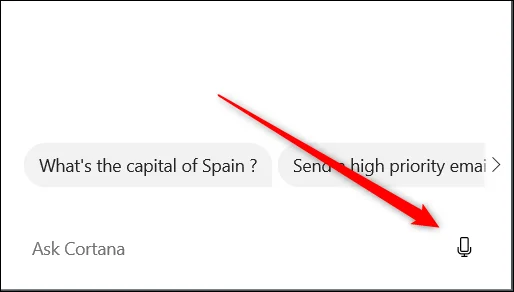
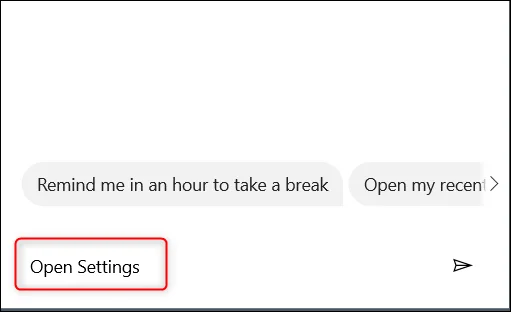
Now, just say “ Open Settings ” and Cortana will do the rest. Or if your computer doesn’t have a microphone, just type “ Open Settings ” into the text box and press “ Enter ”.
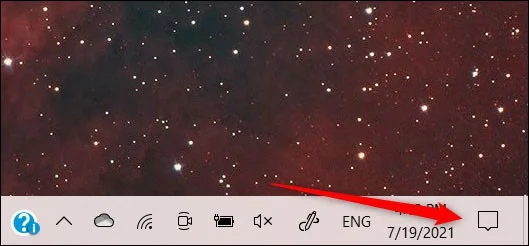
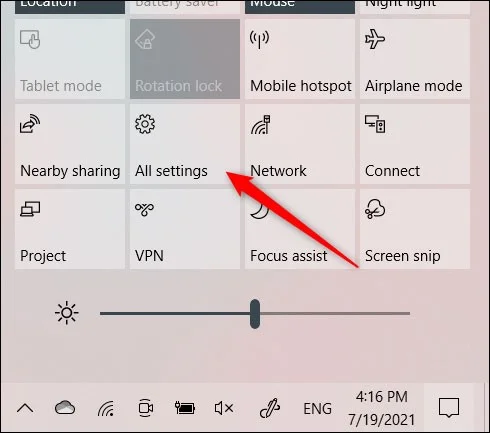
There is also another way to launch the Settings app from the Action Center. First, tap the text icon in the bottom right corner of the screen to open the Action Center.
Next, click “ Expand ” in the bottom left corner of the Action Center interface.
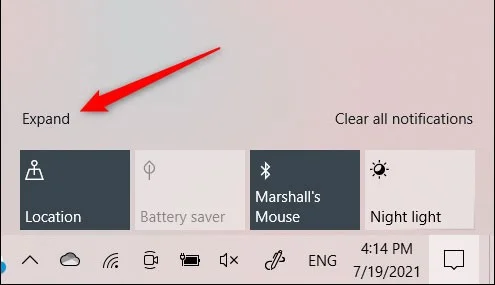
The list of options will expand. Click “ All Settings ”.
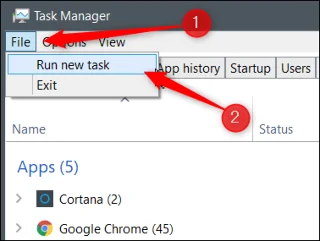
You can open all kinds of apps on Windows from Task Manager—including the Settings app.
First, open Task Manager using the keyboard shortcut Ctrl + Shift + Esc . In the Task Manager interface, click on the “ File ” tab and then select “ Run New Task ” from the drop-down menu.
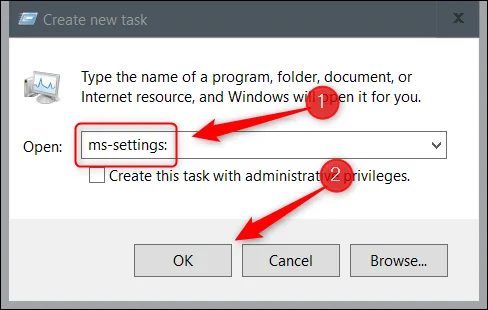
The Create New Task window will appear. In the text box, type “ ms-settings: ” and then press “ OK ”.
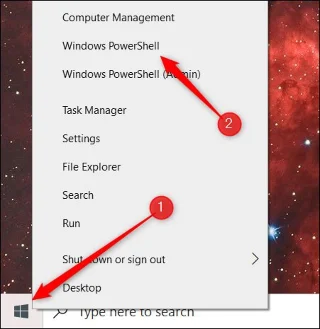
If you prefer using Windows PowerShell over Command Prompt, you can still open the Settings app by running a simple command. First, open Windows PowerShell by right-clicking on the Windows icon in the lower-left corner of your screen. This will open the Power User menu. Here, click “ Windows PowerShell .”
In the Windows PowerShell window that opens, run this command:
start ms-settings: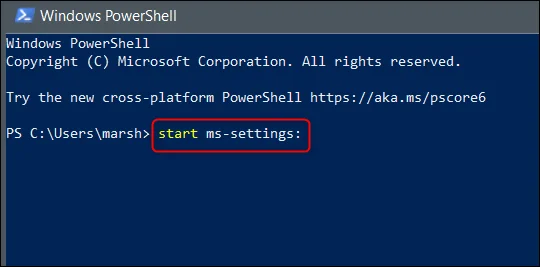
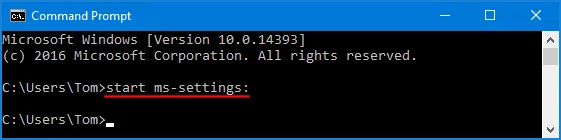
On your Windows 10 computer, open Command Prompt (or PowerShell). Then type the following command into the Command Prompt window:
start ms-settings:Press Enter and Windows 10 will open the Settings app immediately.
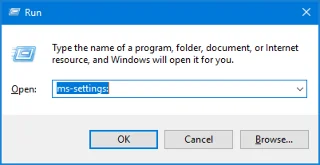
Press the Windows + R key combination to open the Run command window. Then type the following command into the Run window and press Enter:
ms-settings:Immediately the Settings application window will appear on the screen.
See more articles below:
Good luck!
Test Element Desktop through Xwayland, preserve your local data, and isolate graphics or package issues when Linux Wayland crashes the app.
Set up Element Android with UnifiedPush and ntfy, then check the self-hosted Matrix gateway and Android background settings when alerts fail.
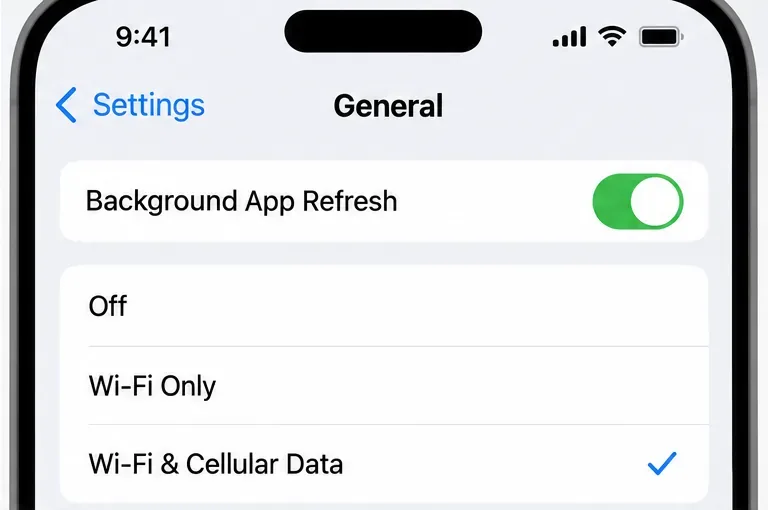
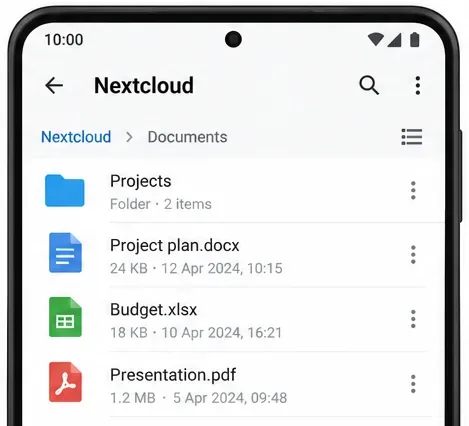
Restore background photo detection by checking Nextcloud upload settings, iOS permissions, battery mode, and the limits of iPhone background scheduling.
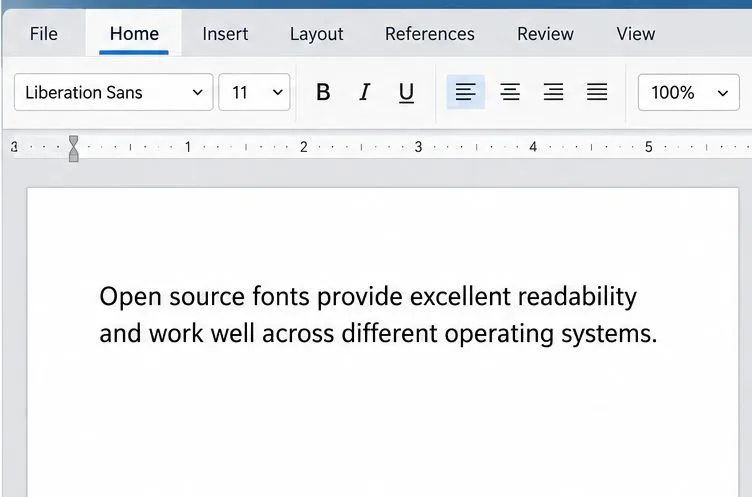
Compare ONLYOFFICE font hinting modes, check zoom and Linux font availability, and verify whether blur is limited to the editor or affects the whole desktop.
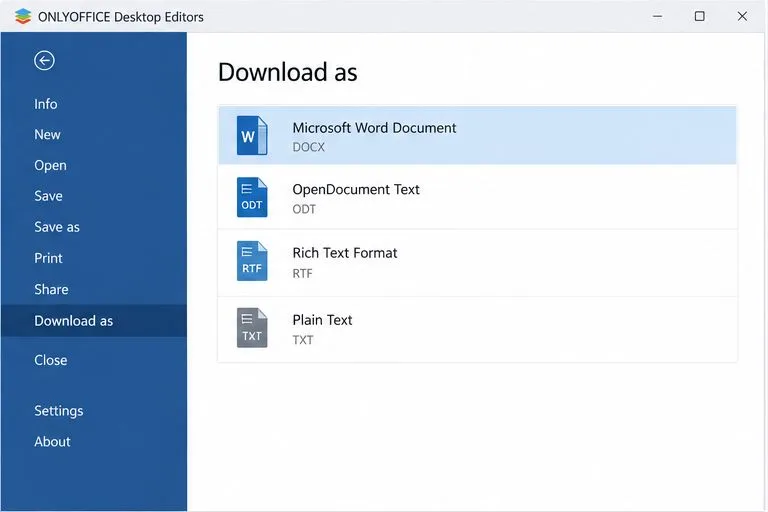
Convert a PDF locally in ONLYOFFICE Desktop Editors, then review the DOCX for layout changes, scanned pages, and text that needs correction.
Add your ownCloud account to ONLYOFFICE Desktop Editors, understand what the connection enables, and choose between direct access, sync, and browser editing.
Use the right portal or WebDAV address, test HTTPS reachability from your phone, and distinguish private-network, TLS, and login problems.
Build and test a custom ONLYOFFICE Desktop Editors plugin, install its .plugin archive, and activate developer tools for debugging.
Make a Python function available in Calc, run it against the open spreadsheet, and troubleshoot missing macros or imports without mixing up LibreOffice and system Python.
Lock a specific passage against routine edits while keeping the rest of a Writer document usable, and learn when file encryption is the better choice.