How to Update Google Chrome Browser

Learn how to update Google Chrome browser on Windows, Mac, and Android in minutes to enjoy better security, speed, and new features. Follow these clear steps.
A surprising discovery of the security flaw is the smartphone motion sensor embedded in their hardware.
Even if you are very careful about security when using phones and other devices, there are risks that you do not realize. Security researchers regularly find new threats that allow malicious agents to access a user's personal data.
An unexpected discovery of security holes from motion sensors in smartphones embedded in their hardware. These sensors are designed to detect when the phone is moving and in use. But they can be misused.
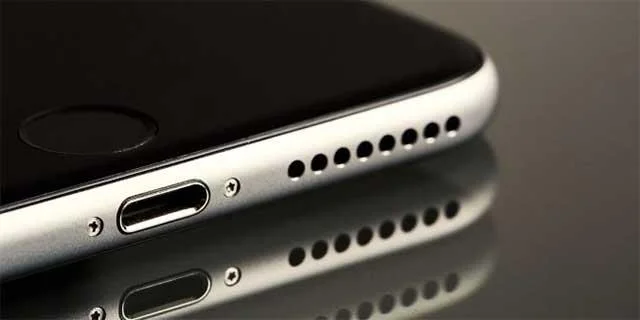
Security researchers have recently demonstrated a scary flaw in Android phones. This attack, called Spearphone, could collect data from speakers. Therefore, it has the ability to eavesdrop on conversations when the phone is placed nearby. It uses the accelerometer motion sensor, to measure acceleration, tilt or rotation of the device. Location apps like Google Maps use the accelerometer to determine your location.
Spearphone works by turning this component into a microphone. The accelerometer is placed on the same plane as the phone speaker, allowing it to capture echoes generated by the speech. When someone uses their phone in speaker activation mode or interacts with a smartphone assistant like Google Assistant , the accelerometer can record the echo of the voice. The attacker can then forward the logs to their server.
Through arXiv, researchers discovered the flaw that demonstrated how it works by creating a malicious Android application. They then tested the app on devices including LG G3, Samsung Galaxy S6 and Samsung Galaxy Note 4. It can record speech using the accelerometer, send audio recordings to. servers that researchers control. Then automatically analyze the record by machine learning software.
Using the data collected in this way, the researchers were able to determine the speaker's gender in 90% of cases and accurately identify the speaker 80% of the time.
According to a report by Trend Micro, a group of different security researchers have discovered two Android apps that do this. These are Currency Converter and BatterySaverMobi , which appear as useful tools to convert currencies and track your phone's battery. But in reality, they contain a banking malware called Anubis , which steals credit card data and online banking credentials.
These applications took advantage of motion sensors to evade detection. When security researchers search for malware, they often run tests on a virtual operating system stored on a computer. This means that the motion sensors do not sense any movement during the test, but when users install an application on their mobile phone, they usually hold their phone with them. Obviously, this creates a lot of movement that the sensor receives.
Malicious applications check for vibration using motion sensors. If motion is not detected, they understand that the application is being tested and do not deploy any malicious code. Therefore, security researchers will not find anything suspicious. But when a user installs an application and one of the above and starts moving around, it will turn on malware and may start stealing your data.
Another security issue you've probably heard of is browser fingerprinting. That's when data from your computer and browser is used to identify and track yourself. For example, it may work by viewing the different browser extensions you have installed and the fonts you use on your computer. This data can be used to build a unique picture of users and follow them on the Internet.
Both iOS and Android devices can face security risks from using motion sensors. Using a technique called SensorID, it can create fingerprints using the gyroscope and magnetometer sensor data from your phone. These sensors are calibrated in a unique way for each user, meaning they can rely on them to identify you. If apps or websites have access to a user's motion sensor, they can track when they use the Internet.
This technique works even when you take security precautions, such as using a VPN or using another browser. More frightening, it still exists after users perform a factory reset on the phone. The reason is that the calibration fingerprint of your motion sensor never changes. According to the researchers, this is a fast attack, taking less than 1 second to create fingerprints.
These attacks are very hard to counter. However, there are some steps you can take to protect yourself from the security risks of abusing motion sensors on your phone.
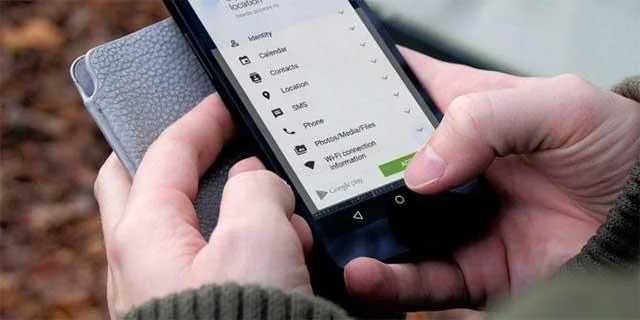
First, be careful when granting permission to an application. When you install a new app from Google Play , it asks the user for permission to use various functions on the phone. For example the camera application will require access to the mobile camera.
Many users agree to allow permissions without even realizing and this is at a very high risk of security risks. Next time you install a new app or game on your phone, check what permissions it requires. If it requires permission to use your phone's motion sensor, ask yourself what it needs that permission for. If there is no good reason for an application to need access to it, do not install it.
Secondly, if you are really worried about the motion sensor being abused to eavesdrop on your conversations, users can perform many direct actions such as adding anti-vibration material around the phone speakers to prevents the motion sensor from capturing the echo. Also, avoid leaving the phone on a flat, hard surface like a table when using the speaker. This will prevent the accelerometer from obtaining sound information.
To protect against fingerprint security risks, it is best to ensure the phone operating system is always up to date, as this issue has been resolved in operating systems such as iOS 12.2 . Google has also been aware of the problem and is working hard to update the Android system to protect users.
Always be vigilant and protect your information by using your smartphone intelligently. Hope this article will be helpful to help you use your phone safer and more secure!
Learn how to update Google Chrome browser on Windows, Mac, and Android in minutes to enjoy better security, speed, and new features. Follow these clear steps.
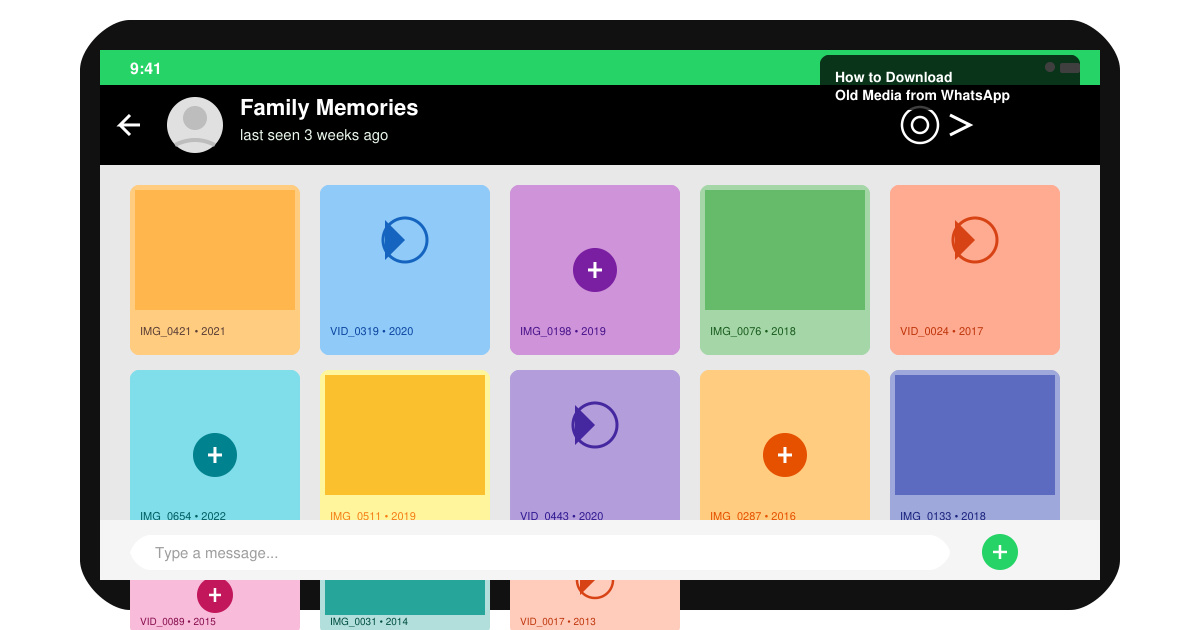
Learn how to download old media from WhatsApp and recover photos or videos from past chats. Follow these clear steps to save files that no longer appear in your gallery.
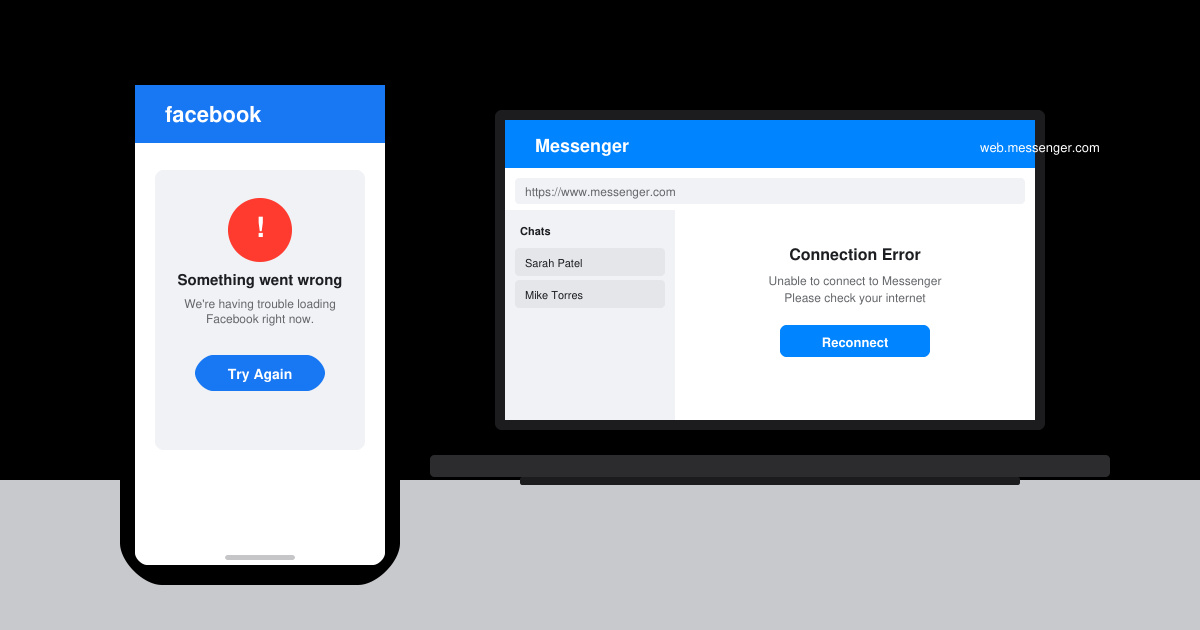
Facebook Messenger Isn T Working on your device? Use these exact troubleshooting steps to restore chats, calls, and notifications fast on Android, iOS, or desktop.
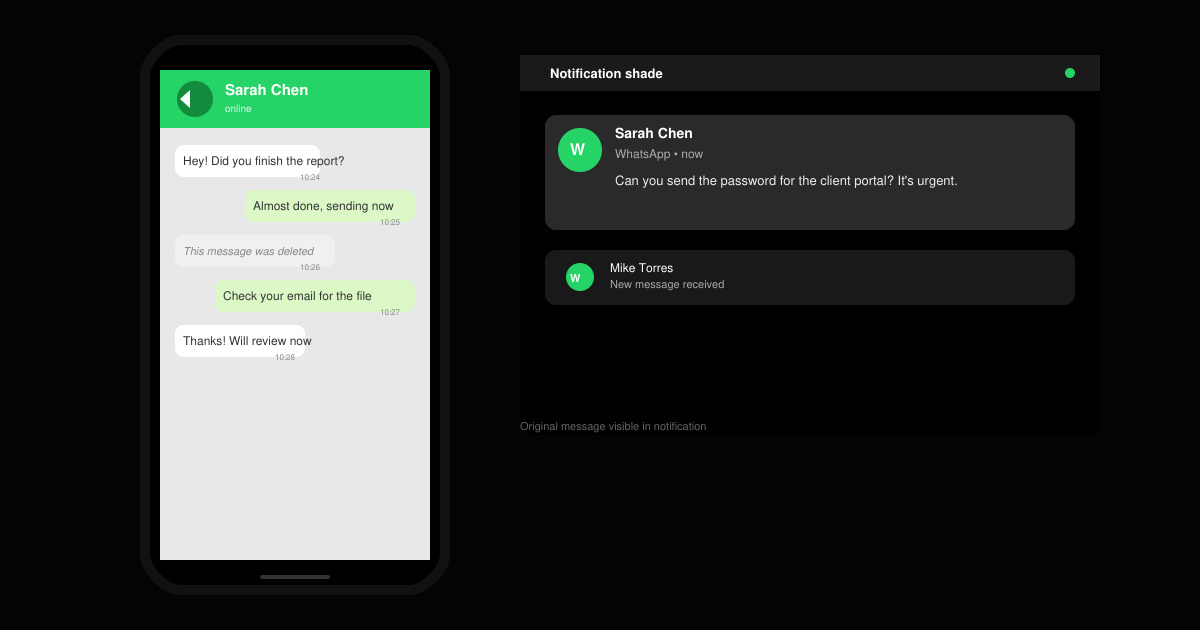
How to See Deleted WhatsApp Messages using your phone's built-in tools. Follow these exact steps to recover messages that contacts have deleted from chats.
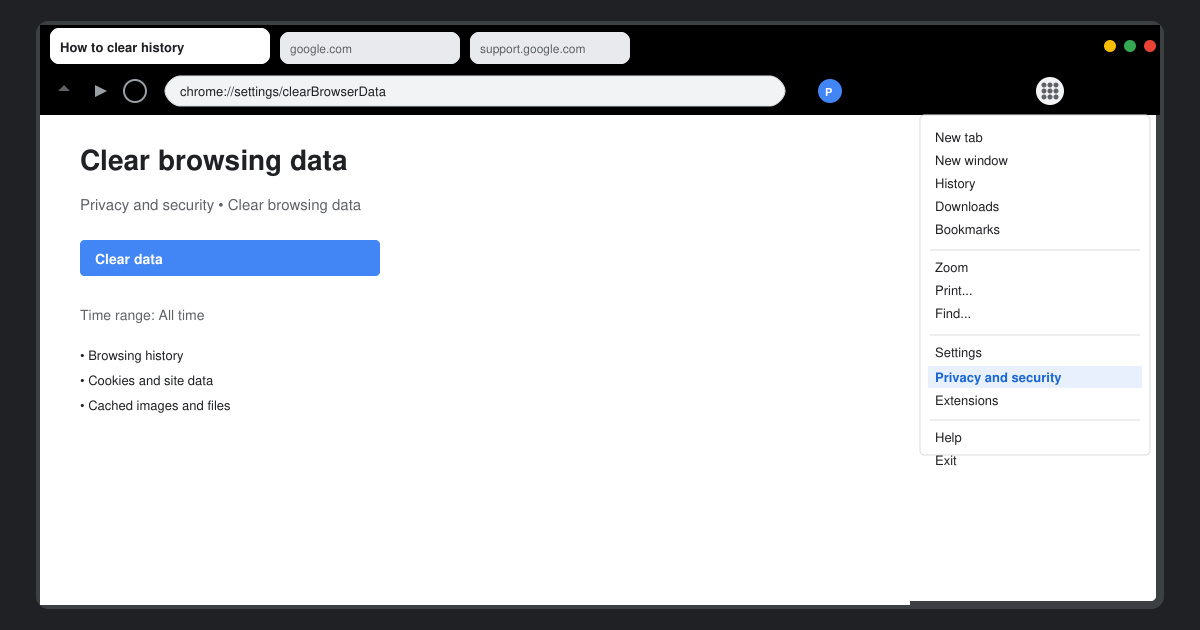
Learn how to clear browser history in Chrome on desktop and Android with this exact step-by-step process. Keep your browsing private and free up storage space quickly.
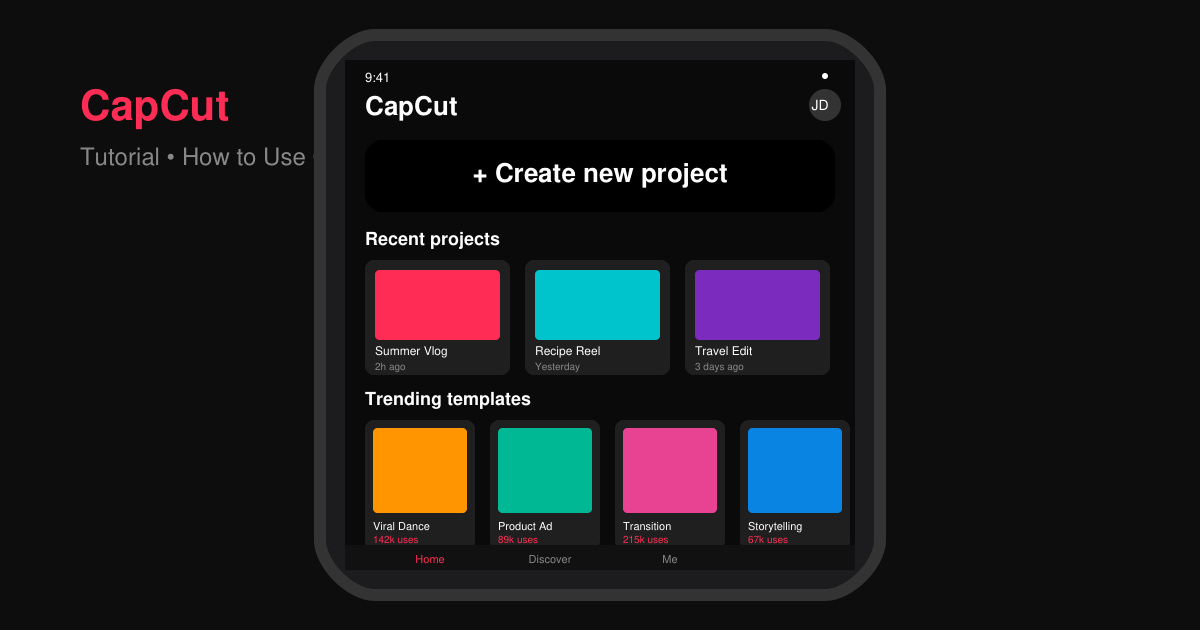
Master how to use CapCut with this practical walkthrough covering project setup, editing tools, effects, and export options for high-quality video results.
Get the latest WhatsApp App Update Download from official sources to access new features and security improvements. Follow these clear steps for Android and iOS devices.
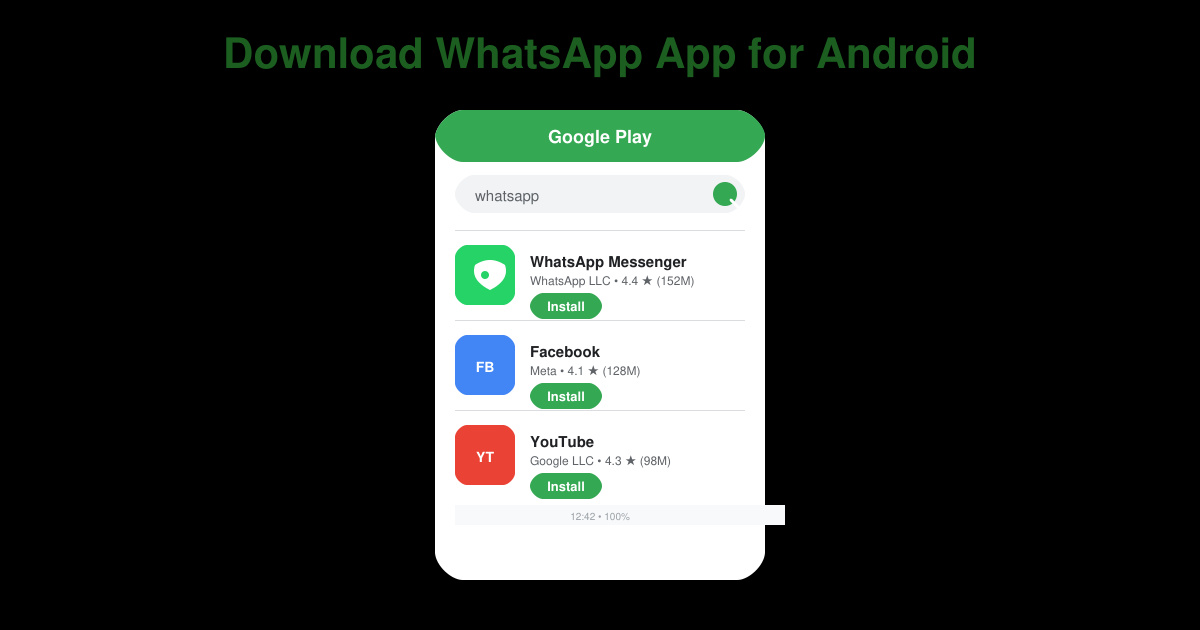
Learn how to safely Download WhatsApp App for Android from the official Google Play Store. Follow our clear step-by-step instructions to install the latest version quickly and securely.
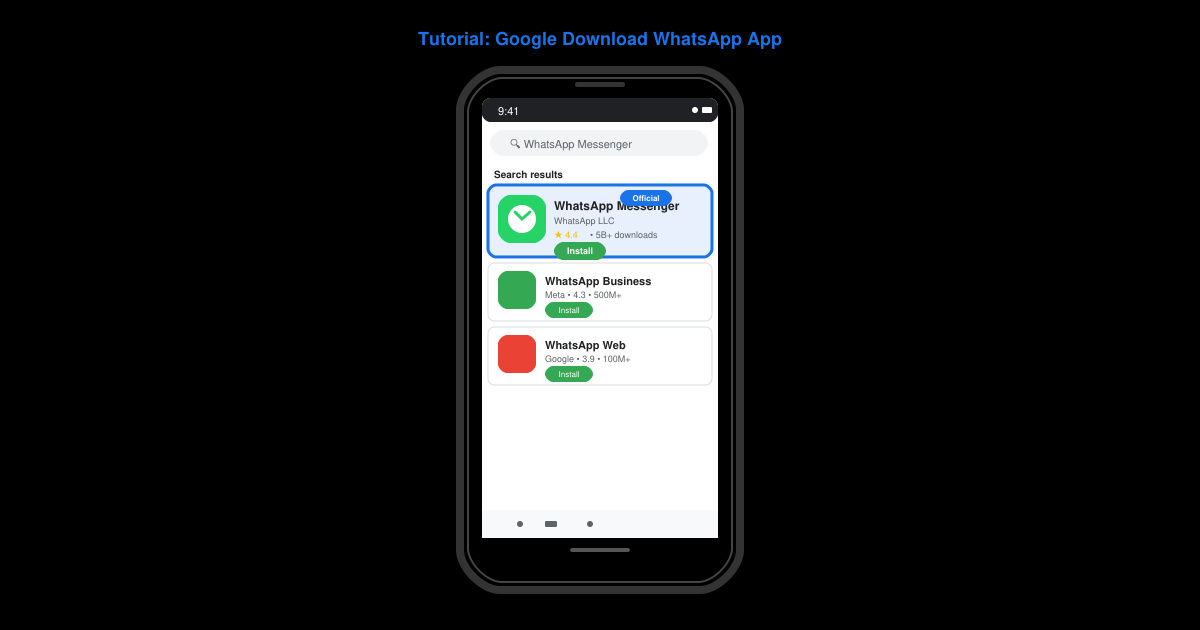
Google Download WhatsApp App safely through the Google Play Store with this clear guide. Get the official version on your Android device quickly and avoid fake downloads.
Facebook and Messenger not working can disrupt your day. Follow these targeted fixes to restore access quickly on mobile and desktop.