
Pop Culture Costume Ideas That Will Dominate Halloween 2026

Plan a recognizable Halloween 2026 look with pop culture costumes inspired by Spider-Man, Supergirl, Toy Story 5, Moana, Mario, and Wednesday.
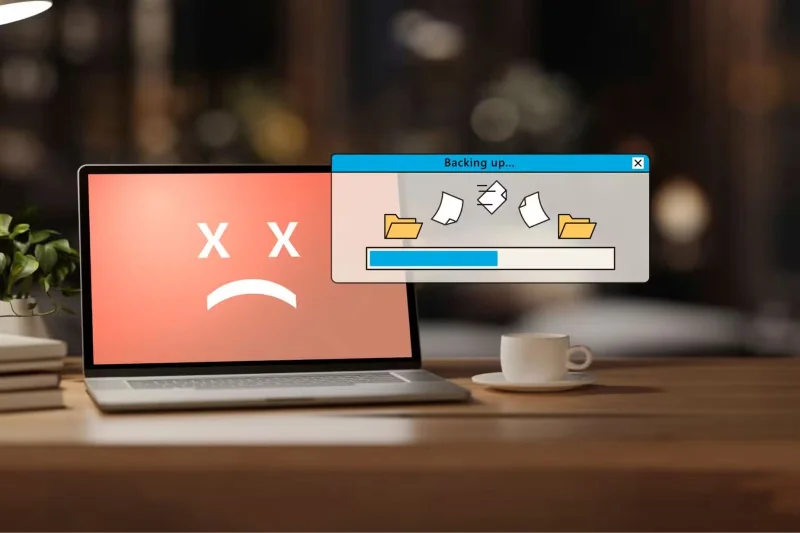
Backing up your data is essential, but that's only half the battle. You also need to make sure your data is safe, reliable, and accessible when needed. And the best way to do that? Be proactive and avoid these common data backup mistakes!
Table of Contents
One of the most disastrous backup mistakes you can make is storing all of your backups in one place. Imagine relying on an external hard drive, only to find out it has failed when you need to restore your data. Storing your backups in just one place, even on a cloud service or NAS device , leaves your data vulnerable to attack.
The safest approach is to follow the 3-2-1 backup rule. This means keeping three copies of your data: the original file and two backups. To minimize risk, these backups should be stored on two different types of media, such as an external hard drive and a cloud service. At least one backup should be stored off-site in a different physical location than the primary data to ensure protection against any local disasters. So, the external hard drive could be stored at home and the cloud backup could be stored on an off-site, remote server.
Even if you have multiple backups, they may not be useful if they are out of date. If you only back up your data occasionally, you risk losing important files that have been created or modified since your last backup.
To avoid this, it is best to set up a regular backup schedule. Ideally, you should back up daily or at least weekly. However, the frequency can vary depending on the importance and volume of data being backed up.
You can also automate backups using cloud services or dedicated backup software to ensure your data is continuously protected. This eliminates the need for manual backups, minimizing the risk of losing valuable information.
Automatic backups are helpful, but you should also be careful not to overwrite old backups too soon. Many people assume that having a recent backup means their data is safe. However, if a file is corrupted or lost, you may not immediately realize it, and your most recent backup may have replaced an older, intact version. This means you could lose important files forever.
To avoid this, you should have a backup system that includes multiple versions of your files. Many popular cloud storage services and backup programs offer “versioning,” which allows you to restore older backups of your files if needed.
You can also set up schedules to keep backups for a certain amount of time before they are deleted. For example, keeping weekly backups for a month and monthly backups for a year ensures you have multiple restore points.
If you are using an external hard drive, you should avoid overwriting the same backup file. Instead, you should save backups with different dates or use version control software to do it for you. That way, if something goes wrong, you have multiple options for recovering your files instead of relying on a single, potentially compromised backup.
A backup alone is not enough if it is vulnerable to cyber threats like ransomware , unauthorized access, or accidental deletion. In other words, a poorly secured backup can be as dangerous as no backup at all.
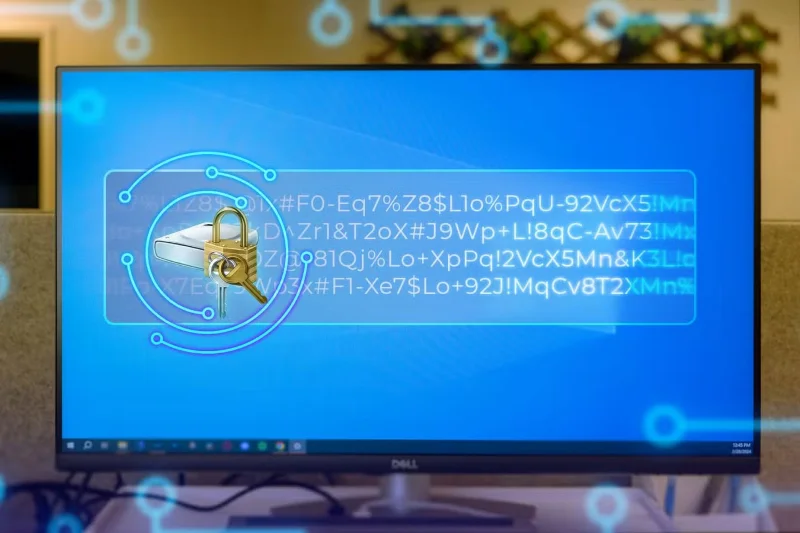
Encrypting your backups ensures that even if someone gains access, they won’t be able to read or use the data without the decryption key. Likewise, using trusted multi-factor authentication (MFA) for your backup system can add an extra layer of security and make it much harder for unauthorized users to gain access.
You can also maintain offline backups for your most important backups. Cybercriminals often target online storage and network-connected backups in ransomware attacks, but offline backups are still safe and can be used for recovery.
Overall, regular security testing and proactive monitoring can help you detect and address vulnerabilities before they become major threats.
Backing up your data safely, regularly, and securely is important, but you also need to make sure your backups actually work. Corrupted files, incomplete backups, or storage errors are common issues that can leave you without access to important data when you need it most.
The last thing you want is to assume your files are safe, only to find out they’re unusable when you need them. To prevent this, periodically verify your backups by restoring a few files or performing a full test restore. This ensures your backup software is working properly and your files are intact.
If you are using an external hard drive, cloud service, or NAS drive, take a moment to open some of your backed up files to make sure they are accessible and not corrupted. A simple verification process can help you avoid unpleasant surprises when disaster strikes.
Avoiding these common backup mistakes isn’t difficult, and can save you stress and the risk of losing valuable data. Instead of waiting until disaster strikes, take the time to review your backup practices and make improvements as needed.
Plan a recognizable Halloween 2026 look with pop culture costumes inspired by Spider-Man, Supergirl, Toy Story 5, Moana, Mario, and Wednesday.
Sort leftover Halloween candy safely, share or repurpose sealed treats, and choose food use or compost for pumpkins based on their condition.
Compare workplace Halloween costume choices by respect, dress code, mobility, and safety—and learn when a subtle accessory or a policy check is the better option.
Find a couples costume that fits your style, budget, and comfort level, from Addams Family classics to original inside-joke duos.
Need a last-minute high school Halloween costume? Compare 10 easy closet-based ideas by prep time, comfort, school-day practicality, and simple safety checks.
Use a simple 2026 Halloween decorating timeline for indoor décor, outdoor displays, and fresh pumpkins, with practical adjustments for weather and events.
Mix five vivid, approachable Halloween cocktails with measured recipes, simple prep tips, and an alcohol-free option for your party guests.
Find 15 office-friendly Halloween costume ideas for 2026, with practical checks for dress codes, respectful themes, comfort, and workplace safety.
Plan a fun elementary school Halloween party with easy crafts, games, inclusive treats, costume tips, and a sample 75-minute classroom schedule.
Compare realistic side hustles for 2026 by startup cost, fees, flexibility, and income control, with current tax and scam guidance from official sources.