5 Ways to Open Sound Settings on Windows PC

Need to adjust sound settings on Windows 10 or 11? Whether you're troubleshooting audio issues or want to configure a new audio device, accessing and adjusting sound settings can be quite necessary. Here are 5 ways to open sound settings on a Windows PC!

1. Use Windows Search

Windows Search is a quick and efficient tool that helps you access various applications and system settings on your PC. Here's how you can use it to open the sound settings menu:

  • Press Win + Q to bring up Windows Search.
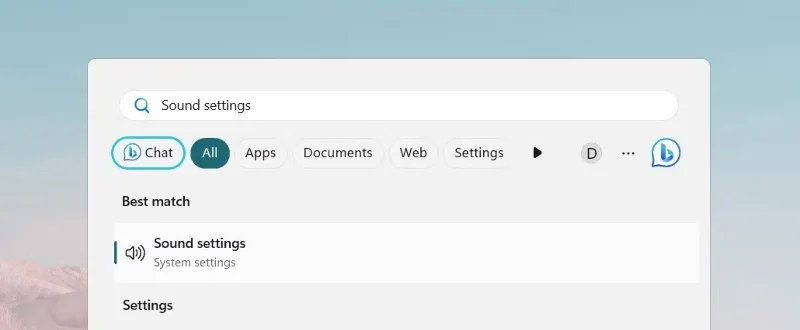
  • Type Sound Settings in the search field and select the relevant result from the list.
5 Ways to Open Sound Settings on Windows PC
Search for sound settings using the Windows search bar

2. Using the Start menu

The iconic Windows Start menu is another handy tool that makes navigating to various settings on your PC a breeze. Here's how you can use it to access your PC's audio settings:

  • Press the Windows key or click the Start menu on the Taskbar.
  • Click Settings (gear icon) and select System from the left sidebar.
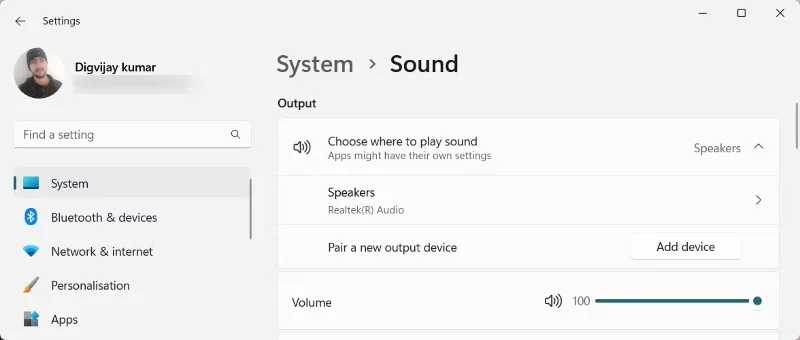
  • Now, select Sound on the right to see the output and input devices.
5 Ways to Open Sound Settings on Windows PC
Sound settings menu in Windows 11

3. Using the Run dialog box

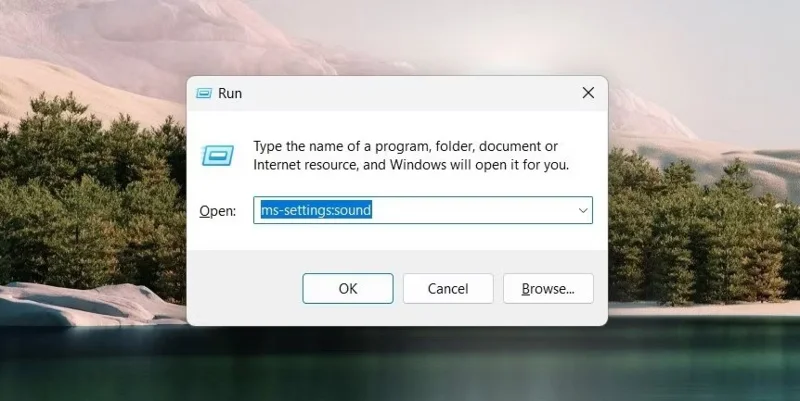
The Run dialog box serves as one of the quickest ways to open files, folders, and settings on your computer. All you need to know are the specific commands. Here's how to use Run to open your audio settings:

5 Ways to Open Sound Settings on Windows PC
Run Dialog Box in Windows 11

4. Using the Taskbar

The Taskbar provides quick access to various apps and settings on your device. With this method, you don't even need to touch the keyboard. Follow these simple steps:

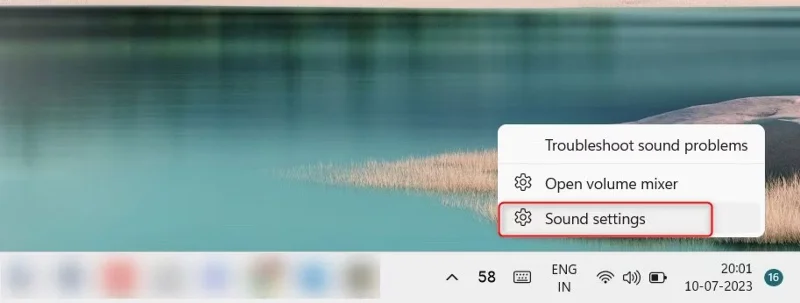
  • Right-click the speaker icon in the lower right corner of the Taskbar.
  • Select Sound settings from the context menu.
5 Ways to Open Sound Settings on Windows PC
Access sound settings from the Taskbar

5. Using PowerShell

If you’re a programmer or developer who spends a lot of time in PowerShell , you might like this method for quickly accessing the audio settings menu. It provides a command-line approach to accessing various settings and apps on your device. Here’s what to do:

  • Press Win + X and select Windows PowerShell (or Windows Terminal on Windows 11).
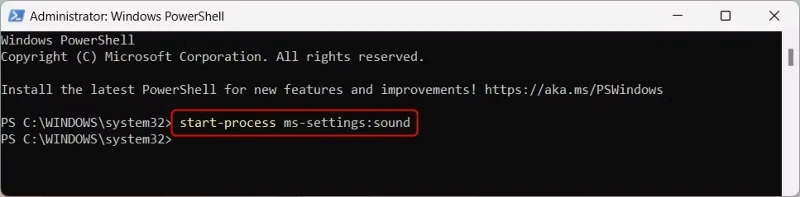
  • Type the following command and press Enter to open the sound settings.
start-process ms-settings:sound
5 Ways to Open Sound Settings on Windows PC
Windows PowerShell displays the command to open sound settings

Any of the methods mentioned above will help you seamlessly access and modify your audio settings on Windows 10 or 11. All you need to do is choose the method that works best for you so that you can easily manage your audio input and output devices.
Leave a Comment

Reduce Ubuntu 24.04 Audio Distortion with Targeted ALSA Tweaks

Reduce Ubuntu 24.04 Audio Distortion with Targeted ALSA Tweaks

Trace whether clipping, ALSA format conversion, or HDA power saving is causing Ubuntu 24.04 audio distortion, then apply the matching reversible fix.

Build a PipeWire Output Toggle Script That Moves Active Audio

Build a PipeWire Output Toggle Script That Moves Active Audio

Switch Debian audio between named PipeWire outputs with a pactl script that updates the default sink and reroutes streams already playing.

Restore Bluetooth Headset Microphone Input on Ubuntu 24.04

Restore Bluetooth Headset Microphone Input on Ubuntu 24.04

Get your Bluetooth headset mic working by selecting the right input, using a hands-free audio profile, and checking Ubuntu’s PipeWire route.

Fix Flatpak Apps Not Respecting GTK Themes in Ubuntu 24.04

Fix Flatpak Apps Not Respecting GTK Themes in Ubuntu 24.04

Learn why Flatpak apps may ignore Ubuntu 24.04 GTK themes and follow safe steps to check theme extensions, refresh Flatpak apps, and diagnose portal issues.

How to Dual-Boot Ubuntu 24.04 and Windows 11 With BitLocker Enabled

How to Dual-Boot Ubuntu 24.04 and Windows 11 With BitLocker Enabled

Install Ubuntu 24.04 alongside Windows 11 with BitLocker safely. Compare separate-drive and shared-drive paths, recovery keys, partitioning, and boot checks.

How to Fix Nvidia Drivers Not Loading After a Kernel Update on Ubuntu

How to Fix Nvidia Drivers Not Loading After a Kernel Update on Ubuntu

Diagnose NVIDIA driver failures after an Ubuntu kernel update. Check DKMS and Secure Boot, rebuild the matching module, enroll a MOK, and verify the fix.

How to Fix Ubuntu 24.04 Wi-Fi Disconnecting After Suspend

How to Fix Ubuntu 24.04 Wi-Fi Disconnecting After Suspend

Fix Ubuntu 24.04 Wi-Fi drops after suspend with checks for NetworkManager, radio blocks, updates, power saving, and drivers—then verify each resume.

Fix High CPU Usage by Tracker-Miner-3 in Ubuntu GNOME

Fix High CPU Usage by Tracker-Miner-3 in Ubuntu GNOME

Learn why tracker-miner-fs-3 uses high CPU in Ubuntu GNOME and how to check indexing, exclude folders, update Ubuntu, or safely rebuild the search index.

Fix “No Bootable Device Found” After Installing Debian on UEFI

Fix “No Bootable Device Found” After Installing Debian on UEFI

Fix Debian’s UEFI boot error by checking boot mode, the EFI System Partition, GRUB files, and firmware boot order—without reinstalling Debian first.

Outlook Inbox Repair Tool

Outlook Inbox Repair Tool

The Outlook Inbox Repair Tool fixes corrupted PST files quickly so you can recover emails and restore normal Outlook function. Follow these exact steps to run scanpst.exe without data loss.