Facebook is the largest social network on the planet, a place to exchange and bring people together. There are people who "eat with Facebook, sleep with Facebook", consider Facebook to become a "detached".
Facebook
Facebook for Android
Facebook for iOS
Facebook for Windows Phone
However, in the process of using you to accidentally let others know your Facebook password, quickly change your password immediately to ensure the privacy of your account. You have changed the Facebook password on your computer , but on the phone the interface is slightly different, please follow the article below to know how to do it:
Instructions to change the Facebook password on the phone
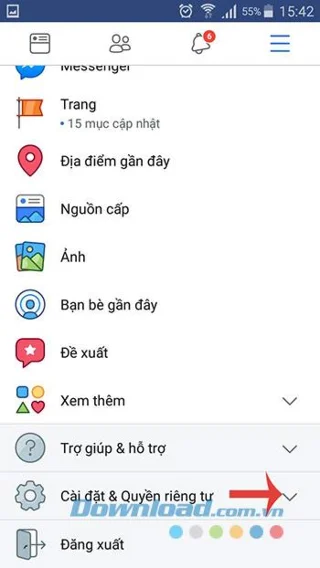
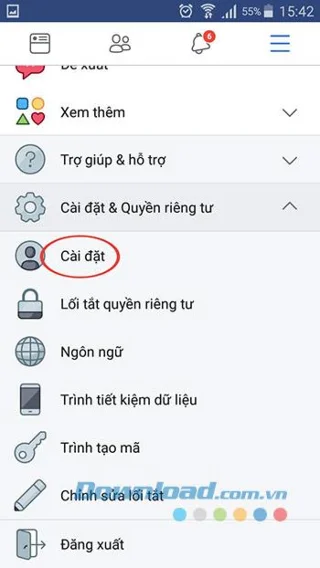
Step 1: In the main interface of the Facebook application, click the 3 dashes icon in the top right corner of the screen, then click on the Settings & Privacy section . Then click on Install.



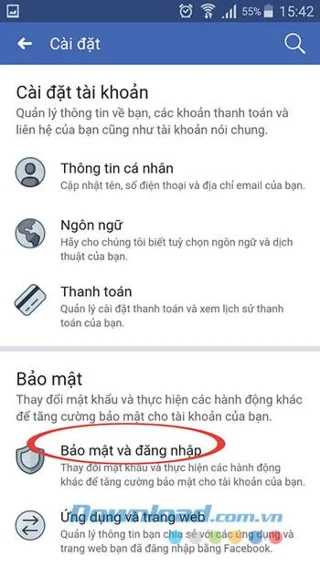
Step 2: In the Security section , click Security and log in , then click on Change password.


Step 3: The Change password window appears, you only need to enter the current password, the new password and re-enter the new password, then click the Save changes button . To have a strong password, you need to put a combination of numbers, uppercase letters, lowercase letters and special characters to increase the security of your Facebook account. Do not set a memorable password, use the date of birth as the password.
After changing the password successfully, select Check other devices , then click Continue to ensure the security of your account. If someone knows your old password, it's best to log out of any device.


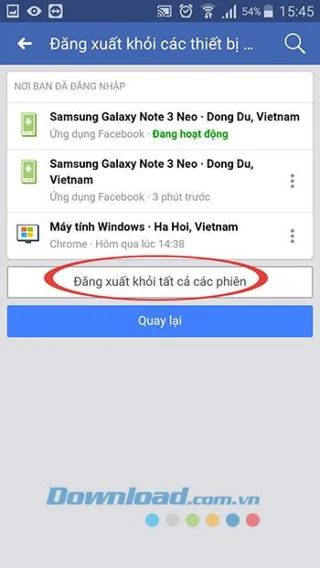
Step 4: Click Sign out of all sessions , then click Sign out to log out of your Facebook account from all devices that have been logged in.


Video tutorial on changing the Facebook password on your phone
So you've successfully changed your Facebook password, try to secure this password to ensure the security of your Facebook account!
I wish you successful implementation!