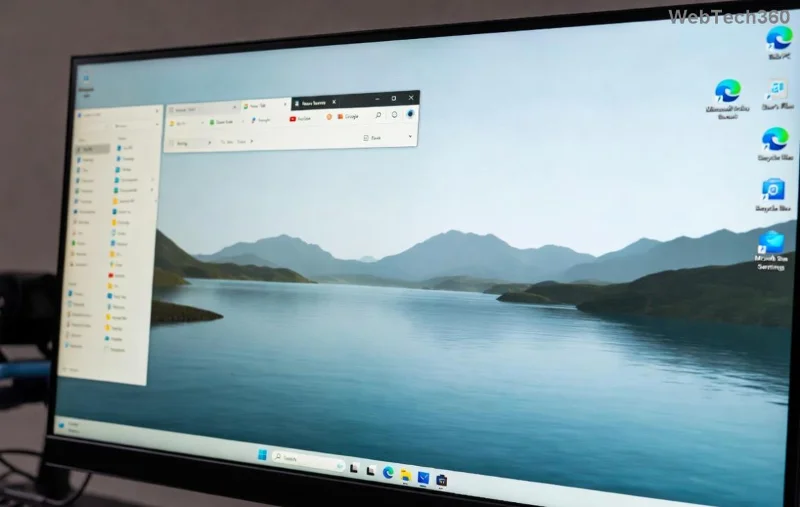
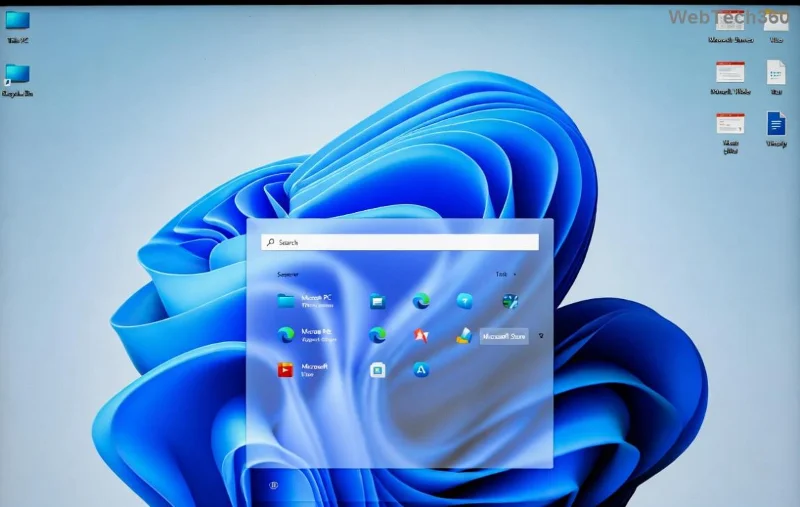
Imagine wrapping your Windows 11 setup in a soothing veil of darkness that not only looks modern but also saves your eyes from the harsh glare of bright screens. If you're tired of staring at blinding white interfaces during late-night sessions or just want a more comfortable viewing experience, enabling Dark Mode for all apps in Windows 11 is a game-changer. This feature, baked right into the latest Windows updates, applies a dark theme across system elements, apps, and even third-party software, creating a unified, eye-friendly environment.
In this guide, we'll walk you through the easiest ways to activate Dark Mode in Windows 11, from built-in settings to advanced tweaks. Whether you're a tech newbie or a seasoned user, these steps are straightforward and will have you enjoying the benefits in minutes. Let's dive in and transform your PC into a dark-mode paradise! 🌙
Why Choose Dark Mode in Windows 11? The Benefits That'll Make You Switch
Before we get to the how-to, let's talk about why enabling Dark Mode for all apps in Windows 11 is worth your time. In the latest Windows 11 builds, Dark Mode isn't just cosmetic—it's practical. Here's what it brings to your digital life:
- Reduced Eye Strain: Bright screens can cause fatigue, especially in low-light conditions. Dark Mode flips the script, using dark backgrounds with light text for easier reading.
- Better Battery Life: On laptops with OLED displays, dark pixels consume less power, extending your unplugged time.
- Modern Aesthetic: It matches the sleek design of Windows 11, making your interface feel fresh and professional.
- App-Wide Consistency: Once enabled, it influences native apps like File Explorer, Settings, and even Microsoft Edge, creating a cohesive look.
Excited yet? Stick around as we cover the step-by-step process to make this happen seamlessly.
Step-by-Step Guide: How to Enable Dark Mode System-Wide in Windows 11
Windows 11 makes toggling Dark Mode for all apps incredibly simple through the Settings app. No downloads or third-party tools needed—just your built-in options. Follow these steps for instant results:
- Open Settings: Click the Start button (Windows icon) on your taskbar, then select the gear icon for Settings. Or, press Windows + I for a quick shortcut. 👍
- Navigate to Personalization: In the Settings window, click on Personalization from the left sidebar. This is your hub for customizing colors, themes, and more.
- Select Colors: Scroll down and tap Colors. Here, you'll find all the options to tweak your visual style.
- Choose Your Mode: Under "Choose your mode," select Dark from the dropdown. You'll see an immediate preview of how it affects your windows and menus.
- Apply to Apps: To ensure Dark Mode for all apps in Windows 11, scroll to "Choose your accent color" and toggle on "Automatically" if you want it to adapt. For full coverage, set "Transparency effects" to On for a subtle blend.
That's it! Your system should now default to Dark Mode. But wait—what if some apps don't follow suit? We'll tackle that next. For a visual walkthrough, check out this handy image:

Extending Dark Mode to All Apps: Handling Stubborn Ones
While the above steps enable Dark Mode in Windows 11 for most native apps, some third-party programs (like older software or certain browsers) might stick to light mode. Don't worry—here's how to extend it universally:
1. Force Dark Mode in Microsoft Store Apps
Many UWP (Universal Windows Platform) apps respect the system setting automatically. If not, restart the app after enabling Dark Mode. For example, in the Microsoft Store, go to its settings and look for a theme toggle that syncs with your system.
2. Browser-Specific Tweaks
For web-heavy users, browsers like Chrome or Firefox need manual intervention:
- Google Chrome: Type
chrome://flags in the address bar, search for "dark mode," and enable "Force Dark Mode for Web Contents." Restart the browser.
- Mozilla Firefox: Head to
about:config, search for "layers.acceleration.force-enabled," and tweak related dark theme flags. Or install a Dark Reader extension for site-specific darkness.
Pro Tip: If you're deep into customization, consider the free Auto Dark Mode tool from the Microsoft Store. It schedules switches based on time of day, perfect for night owls. Just search for it in the Store and follow its simple setup.
![Example of Dark Mode applied to File Explorer and apps in Windows 11]()
Troubleshooting Common Issues When Enabling Dark Mode
Running into glitches? Most users enable Dark Mode for all apps in Windows 11 without a hitch, but here's a quick fix guide to keep things smooth:
| Issue |
Solution |
| Dark Mode not applying to desktop icons |
Right-click desktop > View > Enable "Show desktop icons" and ensure your theme is set to Dark in Personalization. |
| Some apps remain light |
Update the app via Microsoft Store or its official site. If persistent, check for app-specific settings under its options menu. |
| Performance lag after switching |
Disable transparency effects in Colors settings. This reduces GPU load without losing the dark vibe. |
| Reverting to Light Mode accidentally |
Simply toggle back to Dark in Settings—Windows 11 remembers your preference across sessions. |
If you're still stuck, the official Microsoft support page has more details: Microsoft Support on Themes. It's a reliable resource for the newest tweaks.
![Troubleshooting Dark Mode issues in Windows 11 with settings screenshot]()
Advanced Tips: Customize Your Dark Mode Experience Further
Now that you've mastered the basics of how to enable Dark Mode for all apps in Windows 11, level up with these pro tips to make it truly yours:
- Accent Colors: In the Colors menu, pick a vibrant accent (like blue or purple) to add pops of color to your dark theme without overwhelming it.
- Third-Party Themes: Explore the Microsoft Store for custom dark wallpapers that sync perfectly. Search for "dark Windows 11 themes" for endless options.
- Taskbar and Start Menu: With the latest updates, Dark Mode fully covers these elements. If not, ensure you're on the most recent Windows 11 version via Settings > Windows Update.
- Accessibility Boost: Combine Dark Mode with high-contrast settings for even better visibility—ideal if you have sensitivity to light. 😊
These enhancements ensure your setup isn't just dark but delightfully personalized. Imagine firing up your favorite apps in a unified, strain-free interface—productivity awaits!
Final Thoughts: Embrace the Dark Side of Windows 11 Today
Enabling Dark Mode for all apps in Windows 11 is more than a setting—it's a step toward a more comfortable, efficient computing life. With reduced eye strain and a stylish look, you'll wonder how you ever lived without it. Follow our guide, experiment with the tips, and enjoy the transformation.
Got questions or your own Dark Mode hacks? Drop them in the comments below—we'd love to hear how it's working for you! Ready to switch? Your eyes will thank you. 🚀