Home
» PC Tips
»
How to fix black screen error when pressing Alt + Tab on Windows
How to fix black screen error when pressing Alt + Tab on Windows
Alt + Tab is a great shortcut for quickly switching between applications. While it works fine most of the time, it can sometimes result in a black screen.
If a black screen is interrupting your multitasking, don't worry. Here are some suggested fixes if the Alt + Tab shortcut isn't working as expected in Windows.
What causes black screen issue after pressing Alt + Tab on Windows?
Before diving into the solutions, it is essential to understand what causes the black screen issue when you press Alt + Tab.
Here are some of the most common reasons behind the black screen issue:
Incompatible with full screen mode : Some programs may not be compatible with full screen mode, resulting in black screen error.
Outdated GPU Driver : The GPU driver handles most of the graphics work on Windows. If you haven't updated it, you may be experiencing the black screen issue!
Overclocking : Overclocking is not bad unless you abuse it. Doing so can harm your GPU and cause problems.
Gamer Mode : This monitor-specific feature lets you apply display tweaks to your monitor. However, sometimes it can do more harm than good.
Keep these factors in mind, then explore some solutions to fix the black screen problem.
How to fix black screen error when pressing Alt + Tab on Windows
1. Apply some quick fixes for display problems on Windows
Since this is a Windows display issue, there are a few quick tricks you should do before you begin.
If that doesn't work, try completely reinstalling your GPU drivers on Windows.
Finally, double check the display cables on your PC. Make sure they are plugged in properly and try different cables if possible.
2. Run the application in Windowed or Borderless Windowed mode
One of the main reasons for black screen issues is an incompatibility between the currently running program and your display settings.
Let's say you're playing a game in full screen mode and switching by pressing Alt + Tab . In this case, the game may not support your current display settings, resulting in a conflict with the Alt + Tab functionality.
A simple workaround is to run the program in Windowed or Borderless Windowed mode. This mode allows the running program to adapt to your display settings without causing any conflicts.
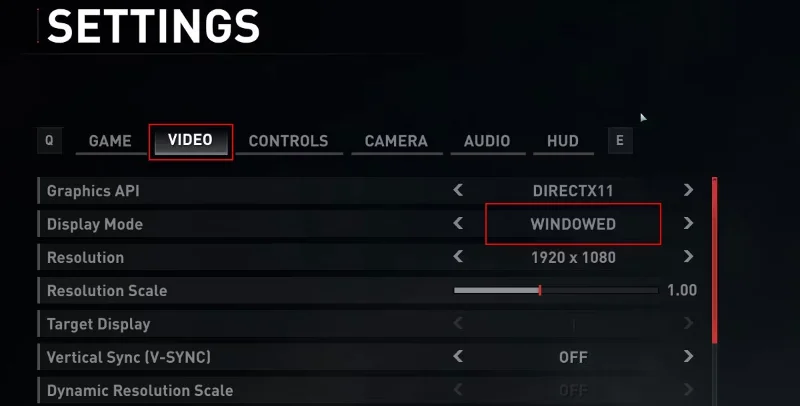
If you encounter the black screen issue when switching from a game running on your PC, simply go to the game's graphics/display/video settings and switch to Windowed or Borderless mode.
Video Game Settings in World War Z
3. Adjust display settings
Another solution to consider when your PC screen turns black when pressing Alt + Tab is to modify the display settings. You should focus mainly on the screen resolution and refresh rate settings of your computer.
Here's how you can change screen resolution and refresh rate on Windows:
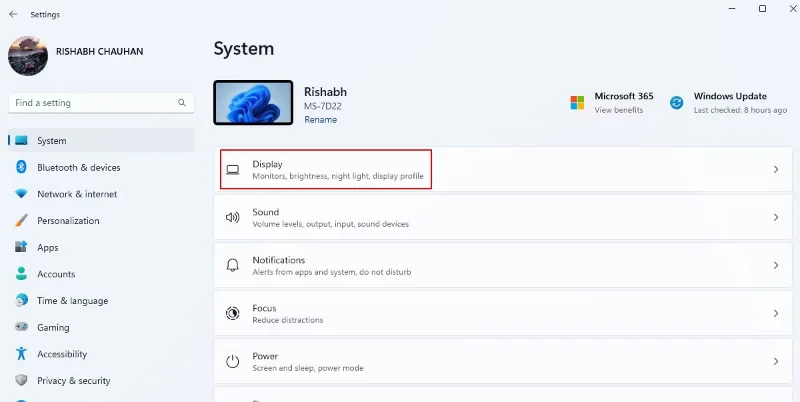
1. Open your computer's display settings by pressing Win + I , then navigate to System > Display .
Windows system settings
2. Under Display resolution , select the option marked Recommended from the list.
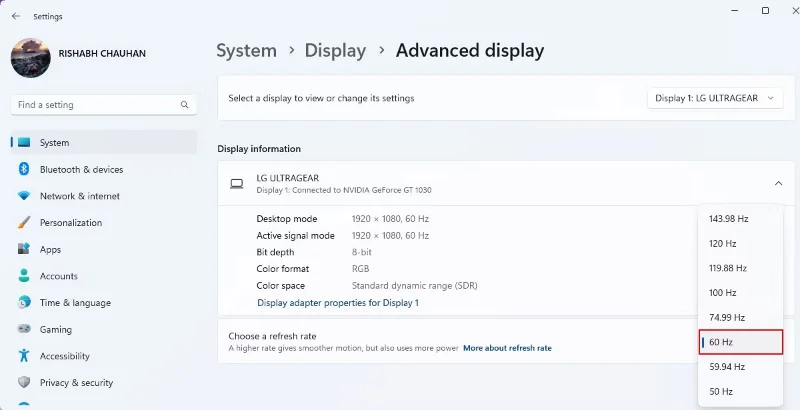
3. Click Advanced display under Related settings .
4. Select a 60 Hz refresh rate from the drop-down list. Note that if you have issues with a lower refresh rate, you can try increasing it to see if it makes a difference.
Windows advanced display settings
5. Click the Keep changes button to apply your selected value.
After making these adjustments, test the Alt + Tab functionality to see if it resolves the issue.
4. Undo any overclocking
Overclocking your GPU is a popular way to boost your computer's performance. Overclocking can increase your FPS when playing games and squeeze more power from the same hardware.
If you get a black screen immediately after overclocking, it is likely that the overclocking is the cause of the problem. To fix this, you will need to reverse the overclocking process.
Note that there are many different overclocking tools available on the Internet. This article is showing the steps using MSI Afterburner as an example. Follow the steps below to undo overclocking on Windows:
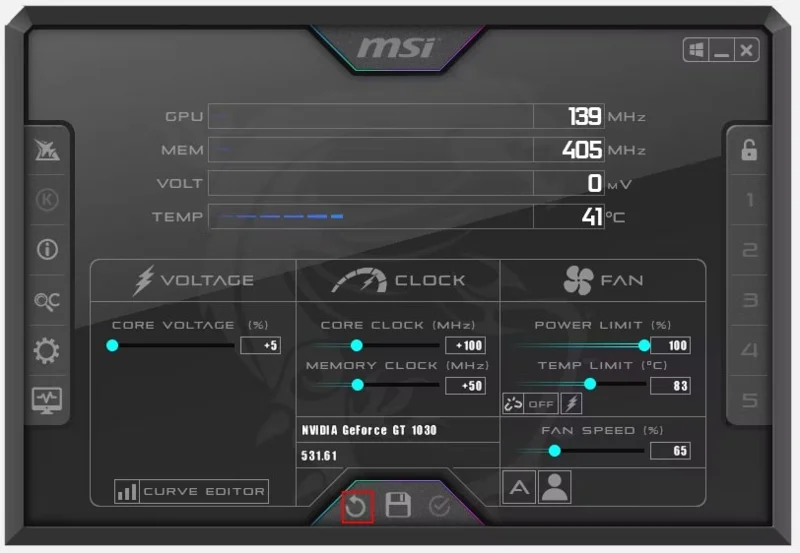
1. Open the tool you used to overclock your computer (in our case, MSI Afterburner).
2. Find the reset or clear icon on its control panel and click on the corresponding icon. This icon or button will help you reset your PC's overclocking configuration.
MSI Afterburner Overview
3. Restart your PC and the overclocked values will be set to default.
If the above method confuses you, you can do the same thing through BIOS settings. Read How to Enter the BIOS Menu for instructions. Once you're in BIOS settings, find and click Reset BIOS or Load Optimized Defaults .
5. Turn off Gamer Mode
Gamer Mode is a feature on some PCs that prioritizes gaming performance over other applications. It offers a number of features, such as higher refresh rates, faster response times, FreeSync, and more.
Some monitors come with proprietary Windows apps or dedicated physical buttons to enable or disable Gamer Mode. While this feature can be beneficial for gamers, it can sometimes create compatibility issues with the operating system, resulting in a black screen.
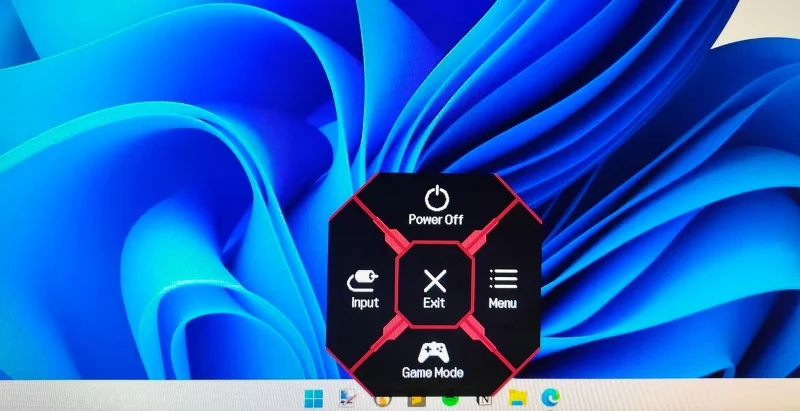
To turn off Gamer Mode, check for a physical button underneath or on the back of your monitor. Then, navigate to Gamer Mode settings and turn it off.
Gamer Mode Options
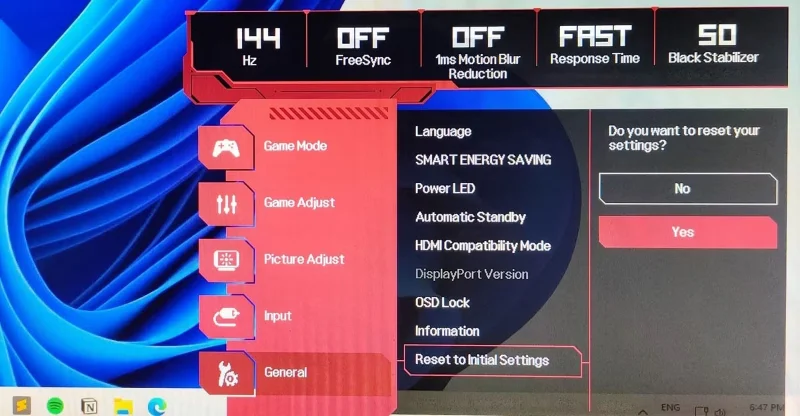
In some cases, you may not find a setting specifically called Gamer Mode on your monitor. Instead, your monitor may offer gaming-related adjustments under a different name. We recommend resetting your monitor settings to their default values in such cases.
LG Display Settings
Alt + Tab issue may not be a common problem on Windows, but it is certainly solvable. By following the solutions provided above, you should be able to switch between applications seamlessly.
Remember, Alt + Tab is just one of many shortcuts available to help you improve your workflow on Windows. So don't limit yourself to just a few Windows shortcuts - explore and make the most of them!