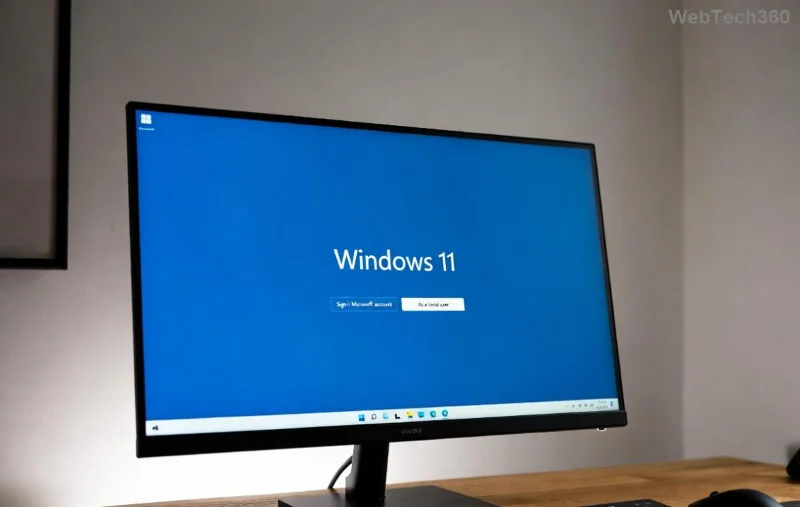
Imagine firing up your PC after a routine Windows 11 update, only to be hit with a frustrating "DLL missing" error that crashes your apps or freezes your screen. 😩 It's a common headache, but don't worry – you're not alone, and it's totally fixable. These errors often pop up when system files get corrupted or mismatched during updates, but with the right steps, you can resolve them quickly and get your Windows 11 running smoothly again. In this guide, we'll walk you through practical, up-to-date solutions to tackle Windows 11 DLL missing issues post-update. Let's dive in and reclaim your productivity! 🌟
Understanding DLL Missing Errors in Windows 11
Dynamic Link Library (DLL) files are essential components that help programs run efficiently by sharing code and resources. When Windows 11 updates, it sometimes disrupts these files, leading to errors like "The program can't start because MSVCR120.dll is missing" or similar messages for files such as vcruntime140.dll. This can happen due to incomplete updates, corrupted downloads, or conflicts with third-party software.
The good news? Microsoft has refined update processes in recent versions, but glitches still occur. Fixing them restores stability without needing a full reinstall. Stick with us – we'll cover beginner-friendly methods first, building up to advanced ones, so you can choose what fits your comfort level. Ready to troubleshoot? Let's start with the basics! 👆
Step 1: Run the Built-in Windows 11 Troubleshooter
Your first line of defense is Windows' own tools – they're smart, automated, and often resolve DLL missing errors in minutes. No downloads required!
- Press Windows key + I to open Settings.
- Go to System > Troubleshoot > Other troubleshooters.
- Find Windows Update and click Run. Let it scan and fix any detected issues.
- Restart your PC and check if the DLL missing error persists.
This method targets update-related glitches directly. If it doesn't fully resolve things, move on – we've got more tricks up our sleeve. 😊
Step 2: Use System File Checker (SFC) and DISM Tools
For deeper repairs, Microsoft's command-line heroes – SFC and DISM – can scan and restore corrupted DLL files. These are powerhouse tools updated in the latest Windows 11 builds to handle post-update messes effectively.
Pro Tip: Run these as an administrator for best results. Here's how:
- Right-click the Start button and select Terminal (Admin) or Command Prompt (Admin).
- Type sfc /scannow and press Enter. Wait for it to complete – it repairs system files automatically.
- If issues remain, run DISM /Online /Cleanup-Image /RestoreHealth. This pulls fresh files from Windows Update servers.
- Restart and test your apps.
Many users report 80% success with this combo for fix DLL errors after update. It's like giving your system a fresh tune-up! If you're dealing with a specific DLL like api-ms-win-crt-runtime-l1-1-0.dll, this often nails it. Feeling empowered yet? Keep going for more options. 🚀
Step 3: Reinstall or Update the Affected Program
Sometimes, the DLL missing error ties to a specific app rather than the OS itself. Post-update, compatibility hiccups can arise.
- Update the app: Head to the program's settings or official site for the latest version compatible with Windows 11.
- Reinstall: Uninstall via Settings > Apps > Installed apps, then download and reinstall from the trusted source.
- For Microsoft Visual C++ Redistributables (common culprits), download the latest from Microsoft's official page.
This targeted approach saves time and prevents broader system tweaks. Imagine zapping that error in under 10 minutes – satisfying, right? 👍
Step 4: Perform a Windows 11 Repair Install
If basic fixes fall short, a repair install refreshes Windows 11 without losing your files or apps. It's a gentle reset for stubborn DLL missing issues after updates.
Steps to follow:
| Step |
Action |
Why It Helps |
| 1 |
Download the latest Windows 11 ISO from Microsoft's site using the Media Creation Tool. |
Ensures you have clean, update-compatible files. |
| 2 |
Mount the ISO and run setup.exe. Choose Keep personal files and apps. |
Repairs core system files like DLLs without data loss. |
| 3 |
Follow on-screen prompts and restart. |
Reintegrates missing components seamlessly. |
This method is gold for persistent errors and keeps your setup intact. Users love how it breathes new life into their PCs! If you're wary, back up first – better safe than sorry. 😌
![Windows 11 repair install process screenshot]()
Step 5: Advanced Fixes for Tough DLL Missing Cases
For rare scenarios, like errors tied to drivers or third-party DLLs:
- Update drivers: Use Device Manager or tools like Windows Update to refresh graphics/audio drivers, which can indirectly fix DLL issues.
- Registry clean-up: Avoid manual edits, but run CCleaner (free version) cautiously to clear junk post-update.
- Safe Mode boot: Restart in Safe Mode (hold Shift during restart) to isolate if software conflicts cause the error, then uninstall suspects.
These steps target root causes, ensuring long-term stability. Pro tip: Always scan for malware first with Windows Security – hidden threats can mimic DLL missing errors.
Preventing Future Windows 11 DLL Missing Errors After Updates
Once fixed, let's keep it that way! To avoid repeats:
- Enable automatic updates: But pause them briefly if an update causes issues – resume after testing.
- Keep backups: Use OneDrive or external drives for key files.
- Install from official sources: Stick to Microsoft Store or verified sites for apps to prevent DLL mismatches.
- Run monthly SFC scans as maintenance – it's quick and proactive. 🌟
By staying vigilant, you'll sidestep most pitfalls. Think of it as routine PC health check-ups – simple habits for a hassle-free experience.
Final Thoughts: You've Got This!
Congrats on making it through – tackling Windows 11 DLL missing errors after an update doesn't have to be a nightmare. With these steps, from quick troubleshooters to repair installs, you're equipped to fix things fast and feel that rush of a smooth-running system. 👏 If a specific error persists, drop it in the comments below – community tips can spark even more solutions. Stay updated, stay safe, and enjoy your optimized Windows 11! What fix worked for you? Share and help others. 😊
For the latest official guidance, check Microsoft Support on troubleshooting update errors.