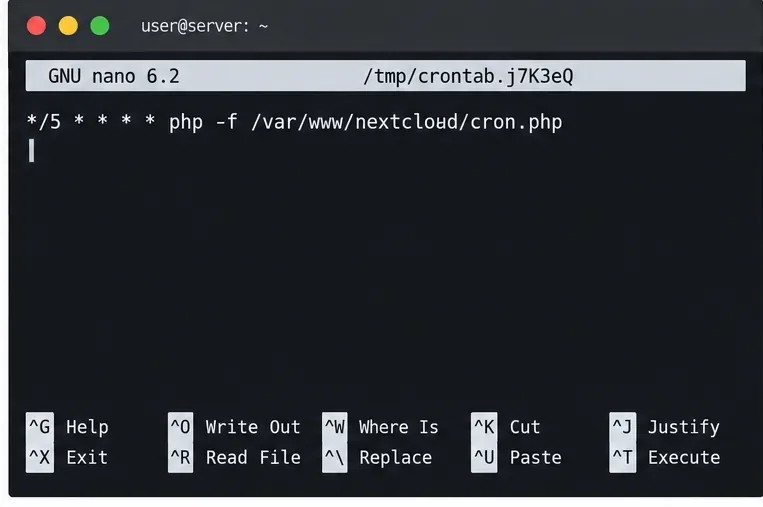
Get Nextcloud Cron Running Automatically with a Systemd Timer
Check Nextcloud’s cron mode, repair its systemd service and timer, and verify that background jobs run after startup and every five minutes.
Facebook 's Safety Check feature will help you let everyone in your friend list know you are safe after any incident in your area. Below is how to use Safety Check to mark yourself as safe on Facebook .
How to mark yourself safely on Facebook
This process is similar on mobile or desktop.

Emergency Response page on Facebook

Click I'm Safe if you are safe
Facebook uses location data to show incidents that target you. However, in some cases, such as when traveling, you may be able to flag yourself as safe during an event outside your usual area of residence.
If this is the case, you will see a Facebook message asking if you are in the affected area after clicking the Learn More button about a specific event. Answer Yes so that the Safety Check banner appears.
When people in your location post events related to the event or news outlets report on a catastrophic event, you'll also see a safety verification notification on your Facebook home page.
The Learn More page also has Home and Safety Check tabs at the top. The Home tab provides general information about disasters along with tips on protecting yourself and submitting requests for help, donations, etc.
How to check your friends' safety
You can also go to the Safety Check tab to contact an affected friend if you don't see their status on this page.
1. Select More > Not marked as safe yet.
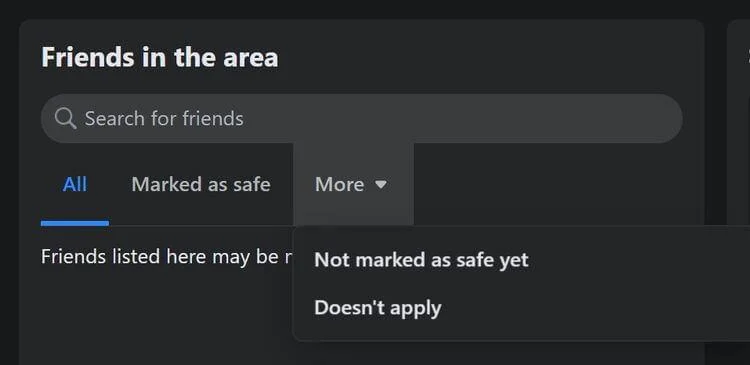
2. Also, use Search for friends in Friends in the area .
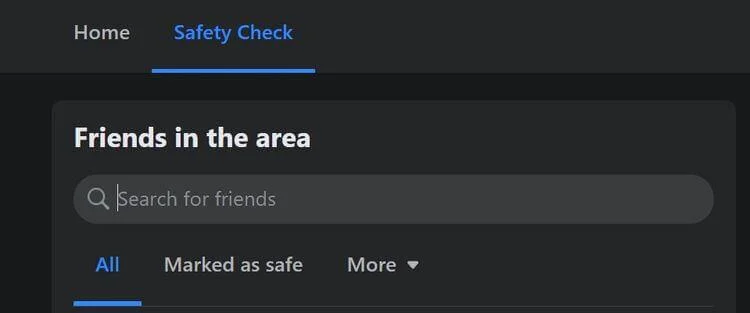
As long as you have Facebook friends in the affected area, you'll see Ask If Safe next to their name.
Above is how to use the Safety Check feature on Facebook . Hope the article is useful to you.
Check Nextcloud’s cron mode, repair its systemd service and timer, and verify that background jobs run after startup and every five minutes.
Enable reliable Nextcloud file locking, choose the right Redis or Valkey backend, and verify the warning clears without risking concurrent file changes.
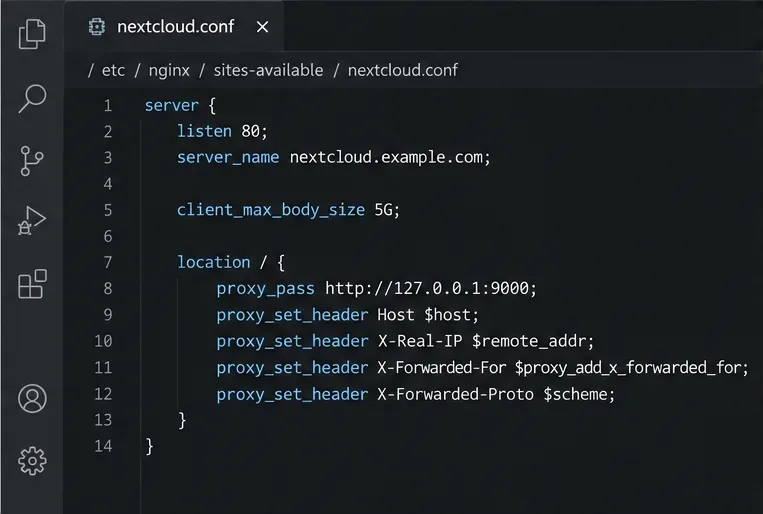
Fix common Nextcloud scan findings with current updates, HTTPS and HSTS, precise reverse-proxy trust, and checks against the public server.
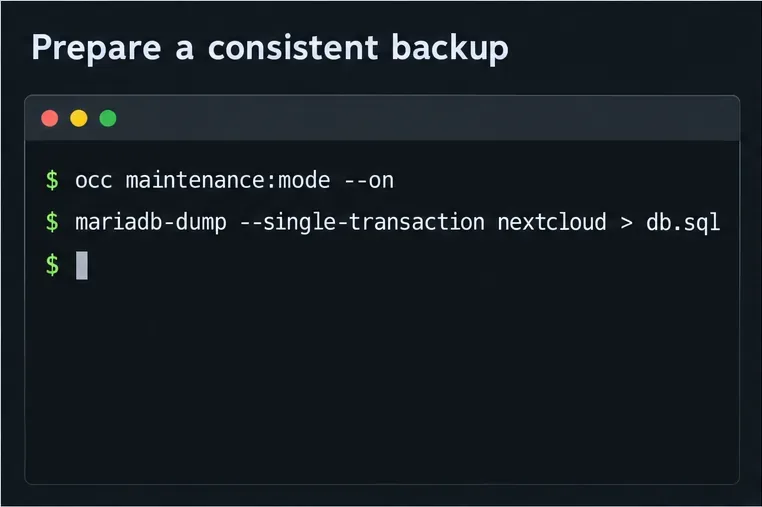
Back up Nextcloud’s files and MariaDB together, schedule encrypted Restic snapshots with cron, and verify recovery without risking the live server.
Configure Nextcloud SSE for the storage that needs it, protect encryption keys, and measure transfer and CPU impact before encrypting existing files.
Connect Nextcloud’s file search to Elasticsearch, index document contents, and choose a setup that fits your server and security needs.
Configure Nextcloud to remove deleted files after a defined retention period, schedule background jobs reliably, and avoid commands that purge every user’s trash.
Run Nextcloud’s OCC repair safely, preview the database changes, and check why the warning might remain.
Allow larger Nextcloud browser uploads by aligning PHP, Nginx or Apache, temporary storage, and timeout settings—and verify which limit is blocking the file.
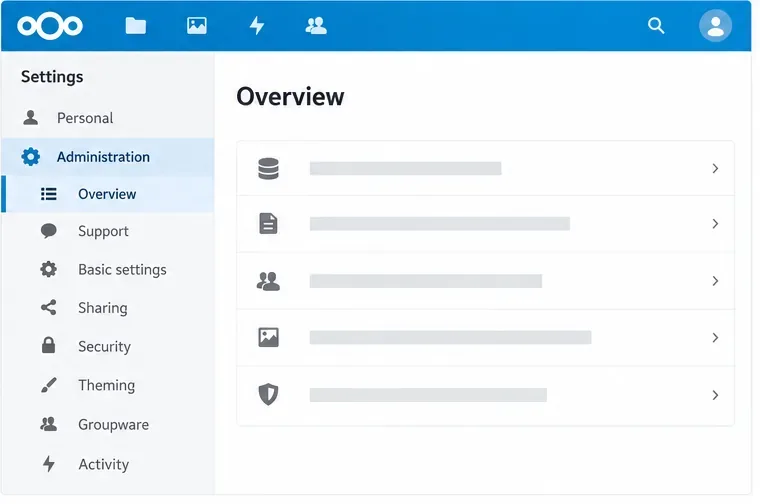
Set the PHP memory limit Nextcloud actually uses, restart the right service, and confirm the 512 MB setting in Admin Overview.