Set Nextcloud’s Public URL So It Can Reach Itself
Fix Nextcloud’s missing outgoing address warning by setting its canonical URL and checking DNS, HTTPS, and reverse-proxy routing from the server itself.
Until recently, there were quite a few ways to reset Microsoft Edge (the default browser of Windows 10 ), some of which included complicated steps or using the Command Prompt , which can be difficult for many people.
Fortunately, the Windows 10 Fall Creators Update provides an extremely simple solution. To reset Edge, follow the steps below:
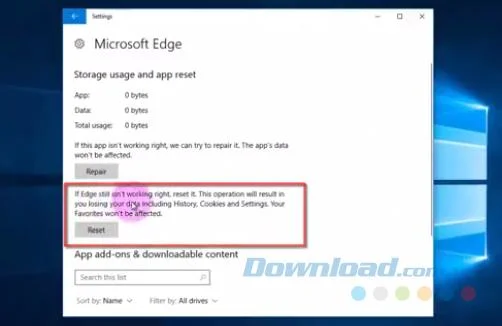
When you reset Edge, you return your browser to factory settings, which means you will lose all your browsing history, settings, saved logins, and cookies. But you will not lose bookmarks.
If you don't run the Windows 10 Fall Creators Update, things will be a bit different and there is no option to reset the application in the operating system settings.
If Edge is slow or unresponsive to you, resetting your browser might be a good solution, but before you look for any other way to reset Edge, there are a few good reasons to consider. Wait until the Windows Fall Creators Update is officially released.
Fix Nextcloud’s missing outgoing address warning by setting its canonical URL and checking DNS, HTTPS, and reverse-proxy routing from the server itself.
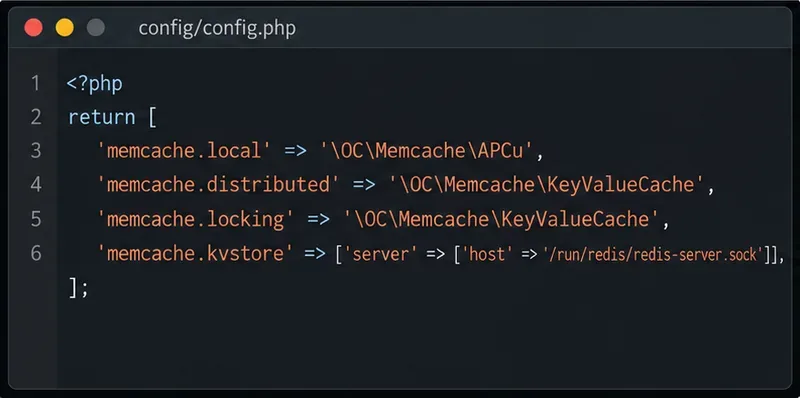
Configure APCu and Redis over a local Unix socket for Nextcloud caching and file locking, with steps for current and older Nextcloud releases.
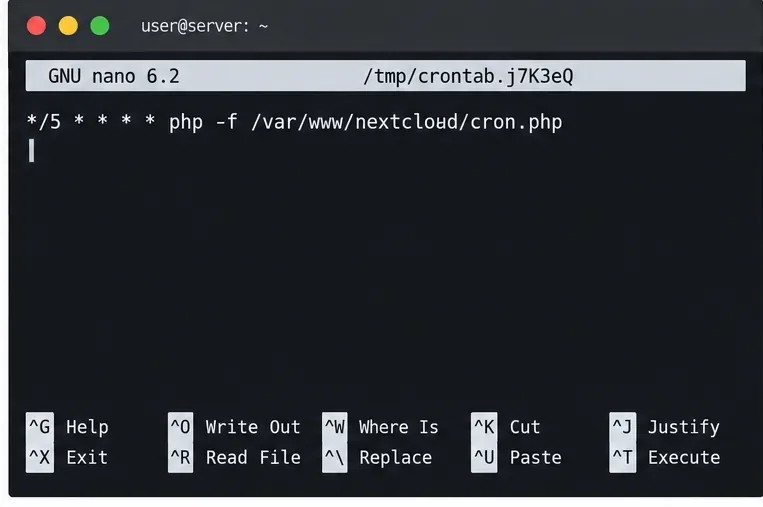
Check Nextcloud’s cron mode, repair its systemd service and timer, and verify that background jobs run after startup and every five minutes.
Enable reliable Nextcloud file locking, choose the right Redis or Valkey backend, and verify the warning clears without risking concurrent file changes.
Fix common Nextcloud scan findings with current updates, HTTPS and HSTS, precise reverse-proxy trust, and checks against the public server.
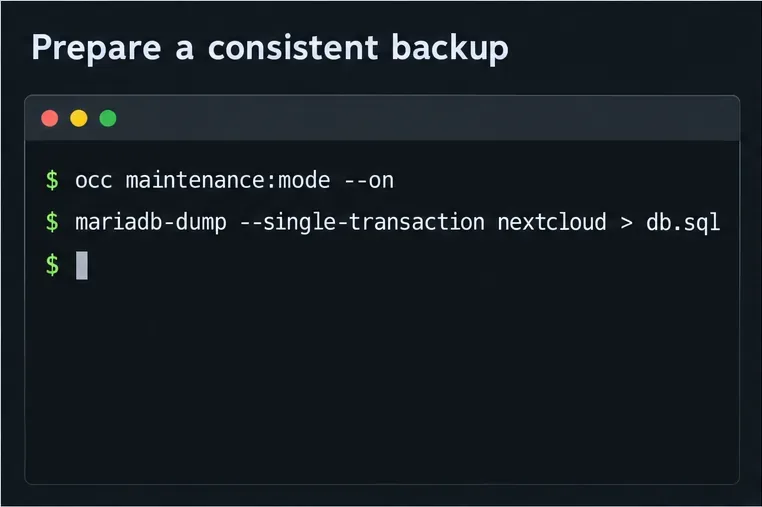
Back up Nextcloud’s files and MariaDB together, schedule encrypted Restic snapshots with cron, and verify recovery without risking the live server.
Configure Nextcloud SSE for the storage that needs it, protect encryption keys, and measure transfer and CPU impact before encrypting existing files.
Connect Nextcloud’s file search to Elasticsearch, index document contents, and choose a setup that fits your server and security needs.
Configure Nextcloud to remove deleted files after a defined retention period, schedule background jobs reliably, and avoid commands that purge every user’s trash.
Run Nextcloud’s OCC repair safely, preview the database changes, and check why the warning might remain.